
DbcultAccessing Vault...
Director's Spotlight
Senior Film Conservator
Director's Spotlight: United States
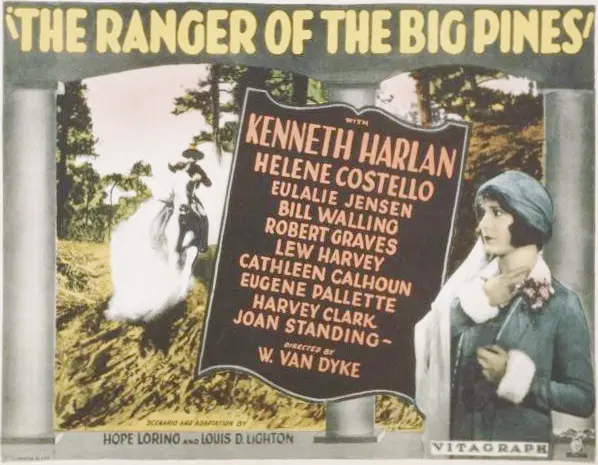
A Deep Dive into the 1925 Vision of W.S. Van Dyke
The Western DNA of Ranger of the Big Pines is a reflection of United States's the historical context that W.S. Van Dyke weaves into the Western fabric. Challenging the viewer to find meaning in the Western shadows, it transcends regional boundaries to tell a universal story.
In Ranger of the Big Pines, W.S. Van Dyke pushes the boundaries of conventional narrative. The film's unique approach to its subject matter has sparked endless debates and interpretations among cinephiles and critics alike.
To fully appreciate Ranger of the Big Pines, one must consider the cinematic climate of 1925. During this period, United States was undergoing significant artistic shifts, and W.S. Van Dyke was at the forefront of this Western movement, often challenging established norms.
| Cinematography | Handheld |
| Soundtrack | Diegetic |
| Editing | Rhythmic |
| Art Direction | Naturalist |
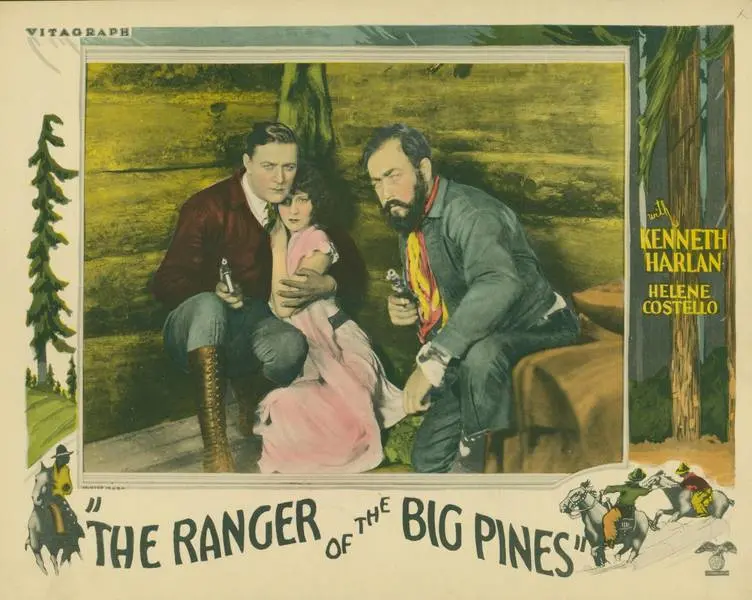
Visualizing the convergence of W.S. Van Dyke's style and the core Western narrative.
Virginia Weatherford returns home after leaving the Western town of Sulfur Springs ten years earlier. She is shocked to discover that her mother, who operates a hotel with a rough clientele, has become as hardened as her tenants. Virginia soon falls in love with Ross Cavanagh, a forest ranger who reconciles her to her new life. However, Ross runs afoul of cattle baron Sam Gregg, who resents the new government tax on cattle grazed on public land. Sam orders his men to persuade Ross, by whatever means necessary, to ignore the tax. After Pinkie, a waiter at the hotel, overhears Sam planning an attack on the ranger, Virginia comes to Ross's aid, along with a wanted criminal who confides in the ranger that he is Virginia's father. Sam is defeated in the ensuing battle, which also leaves Virginia's father dead. Ross returns to the East, taking Virginia and her mother with him, but continues to keep the dead man's secret.
Decades after its release, Ranger of the Big Pines remains a vital piece of the cinematic puzzle. Its influence can be seen in countless modern works, solidifying W.S. Van Dyke's status as a master of the craft in United States and beyond.