
DbcultAccessing Vault...
Director's Spotlight
Senior Film Conservator
Director's Spotlight: United States
A Deep Dive into the 1925 Vision of W.S. Van Dyke
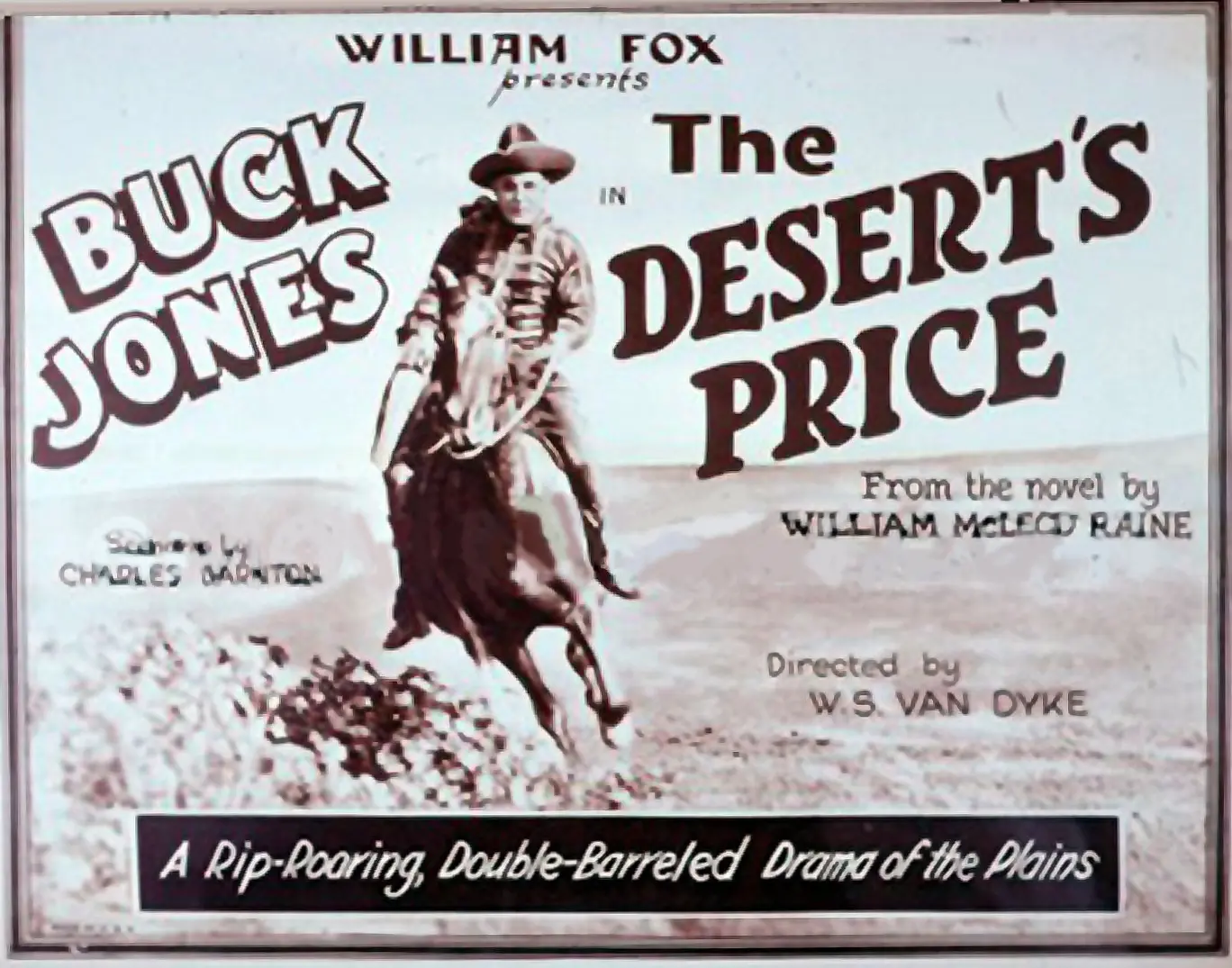
The evocative power of The Desert's Price stems from the unique collaboration between the subversive storytelling techniques employed by W.S. Van Dyke in 1925. Synthesizing the best elements of United States and international cinema, it reminds us of the fragility and beauty of the 1925s.
In The Desert's Price, W.S. Van Dyke pushes the boundaries of conventional narrative. The film's unique approach to its subject matter has sparked endless debates and interpretations among cinephiles and critics alike.
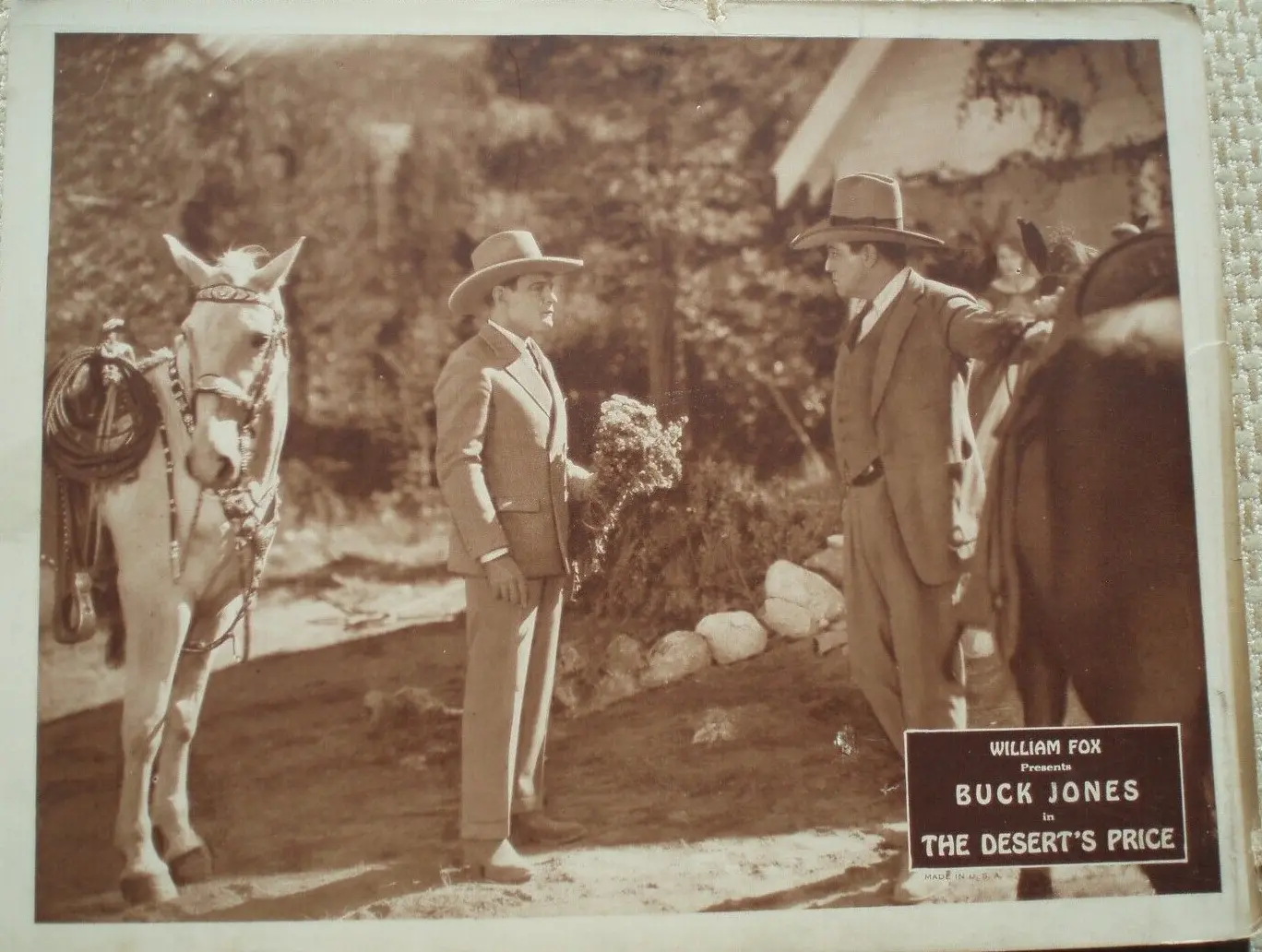
The visual language of The Desert's Price is defined by its use of shadows and framing, a hallmark of W.S. Van Dyke's style. By utilizing a 1925-era palette, the film creates an immersive experience that perfectly complements its Drama themes.
| Cinematography | Static |
| Soundtrack | Diegetic |
| Editing | Elliptical |
| Art Direction | Expressionist |
Visualizing the convergence of W.S. Van Dyke's style and the core Drama narrative.
During a range war between sheep-men and cattle ranchers, Julia Starke's father is brutally murdered by the Martin brothers. Wils McCann, a decent cattle rancher, takes pity on the girl and goes to work for her tending sheep. Sam Martin tries to force his attentions on Peggy Starke and inadvertently injures the girl. An enraged Julia takes a shot at Sam and wounds him; Julia's brother, Phil, later kills him in self-defense. Jim Martin has Julia arrested for Sam's murder and then incites a mob to attempt a lynching. Wils's men break up the mob, and Jim Martin is brought before the court to stand trial for the murder of Julia's father.
Decades after its release, The Desert's Price remains a vital piece of the cinematic puzzle. Its influence can be seen in countless modern works, solidifying W.S. Van Dyke's status as a master of the craft in United States and beyond.