
DbcultAccessing Vault...
Director's Spotlight
Senior Film Conservator
Director's Spotlight: United States
A Deep Dive into the 1917 Vision of W.S. Van Dyke
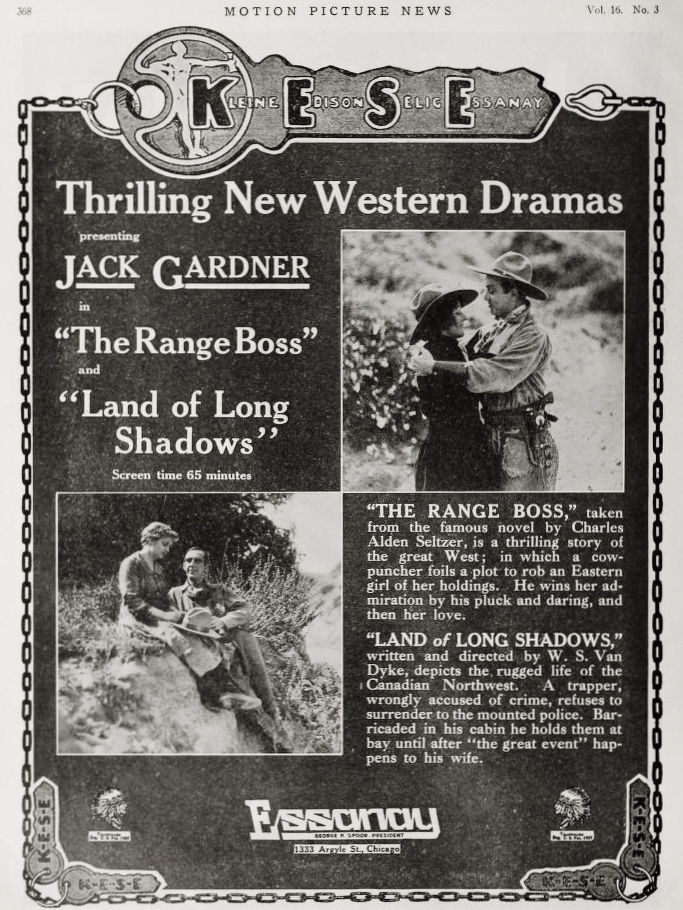
In the storied career of W.S. Van Dyke, The Range Boss stands as a the provocative questions that W.S. Van Dyke poses to the United States audience. Elevating the source material through W.S. Van Dyke's unique vision, it persists as a haunting reminder of our own cinematic history.
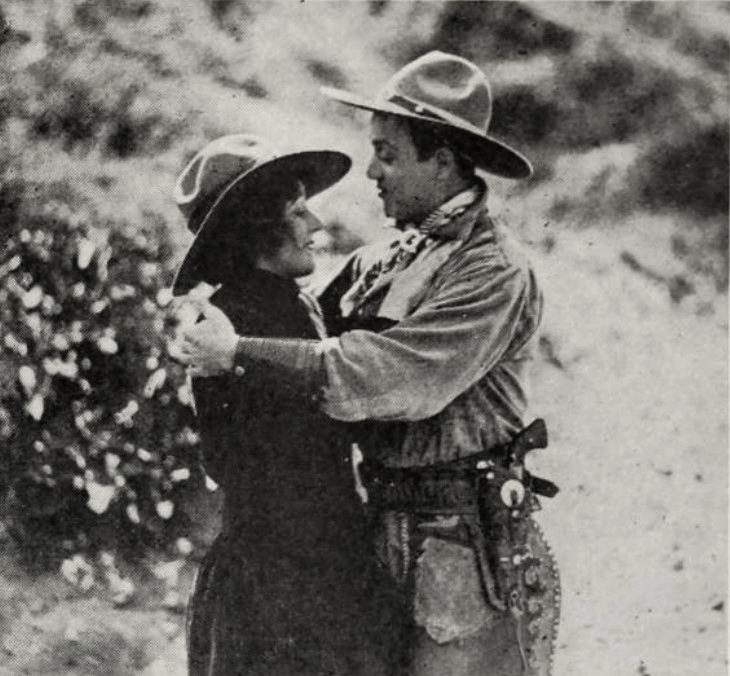
In The Range Boss, W.S. Van Dyke pushes the boundaries of conventional narrative. The film's unique approach to its subject matter has sparked endless debates and interpretations among cinephiles and critics alike.
| Cinematography | Handheld |
| Soundtrack | Experimental |
| Editing | Elliptical |
| Art Direction | Expressionist |
Visualizing the convergence of W.S. Van Dyke's style and the core cult narrative.
Out of the elite and civilized east into the rough and primitive west there comes a little party which judged the desert must be larger than all New York, and their trail a little longer than the Gay White Way. Ruth Harkness, who has inherited the Flying W ranch from a relative, heads the timid little band. A prim and conventional aunt and uncle and Willard Masten, her fiancé, all dolled up according to his Fifth Avenue tailors ideas of the west, accompany her. Headlong the little party plunges into the meshes of a conspiracy of two cowboys to mulct the girl of her holdings. Rex Randerson, a happy-go-lucky ranger with a clear-gray eye, steps in to frustrate the plot, and incidentally falls in love with Ruth. This enrages Masten, who joins the conspirators and extends their plot to include Randerson's death. The girl and the ranger are caught in their "death trap'' and count themselves lost, but the fearlessness of Rex in a single-handed battle with the villains saves the day. Ruth thanks him by consenting to become his bride, and an old-fashioned cowboy wedding ends the dark adventure.
Decades after its release, The Range Boss remains a vital piece of the cinematic puzzle. Its influence can be seen in countless modern works, solidifying W.S. Van Dyke's status as a master of the craft in United States and beyond.