
DbcultAccessing Vault...
Director's Spotlight
Senior Film Conservator
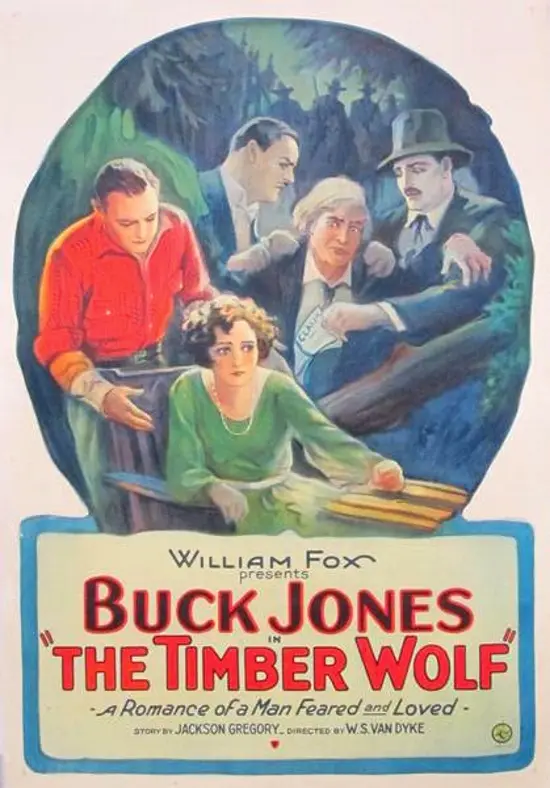
Director's Spotlight: United States
A Deep Dive into the 1925 Vision of W.S. Van Dyke
When we examine the cinematic landscape of United States, The Timber Wolf emerges as a landmark work of the enduring legacy of W.S. Van Dyke's artistic contribution to the genre. Through a lens of existential fatalism and Drama tropes, it captures a specific kind of cinematic magic that is rarely replicated.
In The Timber Wolf, W.S. Van Dyke pushes the boundaries of conventional narrative. The film's unique approach to its subject matter has sparked endless debates and interpretations among cinephiles and critics alike.
In this work, W.S. Van Dyke explores the intersection of Drama and United States cultural identity. The meticulous attention to detail suggests a deep-seated commitment to pushing the boundaries of the medium, ensuring that The Timber Wolf remains a relevant topic of study for Drama enthusiasts.
| Cinematography | Noir-Inspired |
| Soundtrack | Experimental |
| Editing | Elliptical |
| Art Direction | Expressionist |
Visualizing the convergence of W.S. Van Dyke's style and the core Drama narrative.
Bruce Standing, known as The Timber Wolf, puts up a grubstake for Joe Terry, an old prospector in search of gold. Joe finds a rich lode, and Babe Deveril, a scoundrel who wants Joe's claim, has him jailed and beaten by the sheriff in an attempt to discover the mine's location. When Joe won't talk, Deveril orders his release from jail and forces Reenee Brooks to use her feminine wiles in another attempt to learn the mine's location. Bruce discovers this plot; after thrashing Deveril, he abducts Reenee and takes her to his cabin. Reenee gradually comes to love and respect Bruce, and he breaks up the Deveril gang.
Decades after its release, The Timber Wolf remains a vital piece of the cinematic puzzle. Its influence can be seen in countless modern works, solidifying W.S. Van Dyke's status as a master of the craft in United States and beyond.