
DbcultAccessing Vault...
Director's Spotlight
Senior Film Conservator
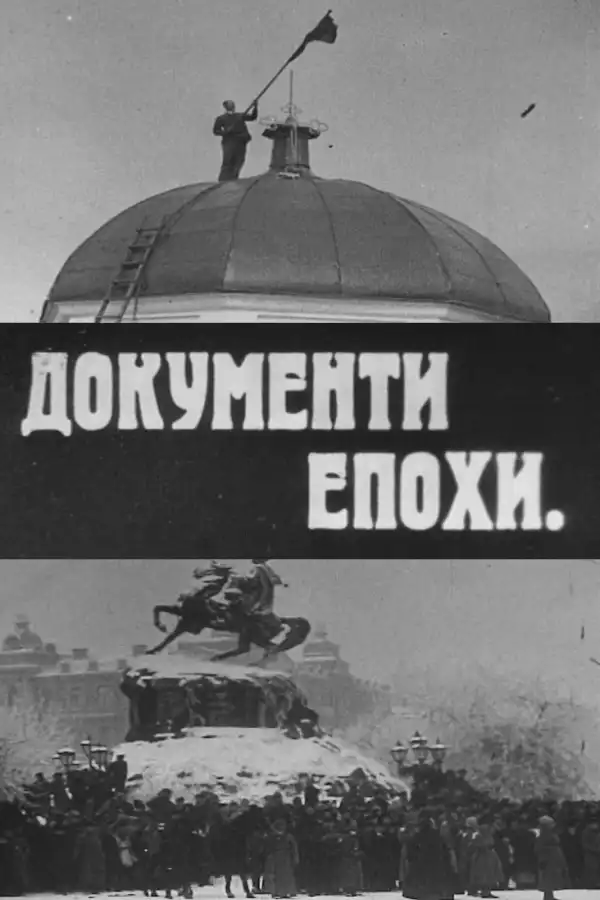
Director's Spotlight: Soviet Union
A Deep Dive into the 1928 Vision of Y. Habovych
To understand the modern evolution of Soviet Union film, one must first look at Dokumenty epokhy and the collaborative alchemy between Y. Habovych and the 1928 creative team. Subverting the expectations of the typical 1928 audience, it remains a vital reference point for anyone studying the evolution of Y. Habovych.
In Dokumenty epokhy, Y. Habovych pushes the boundaries of conventional narrative. The film's unique approach to its subject matter has sparked endless debates and interpretations among cinephiles and critics alike.
The visual language of Dokumenty epokhy is defined by its use of shadows and framing, a hallmark of Y. Habovych's style. By utilizing a 1928-era palette, the film creates an immersive experience that perfectly complements its Documentary themes.
| Cinematography | Deep Focus |
| Soundtrack | Synth-Heavy |
| Editing | Disjunctive |
| Art Direction | Baroque |
Visualizing the convergence of Y. Habovych's style and the core Documentary narrative.
Unique chronically documentary due to some rare footage with the activists of the Ukrainian revolution: Hermann von Eichhorn, the supreme commander of the German troops, walks along Kyiv railway station shortly before his assassination, hetman Pavlo Skoropadsky sets a generous table for his allies, Volodymyr Vynnychenko and Symon Petliura freeze in the January frost near the St. Sophia's Cathedral, Mikhail Muravyov's units pass through Kyiv, Christian Rakovsky greets the Red Army soldiers in Kharkiv, the People's Commissar for Education and the proponent of Ukrainisation of the 1920s Mykola Skrypnyk speaks from a rostrum.
Decades after its release, Dokumenty epokhy remains a vital piece of the cinematic puzzle. Its influence can be seen in countless modern works, solidifying Y. Habovych's status as a master of the craft in Soviet Union and beyond.