
DbcultAccessing Vault...
Director's Spotlight
Senior Film Conservator
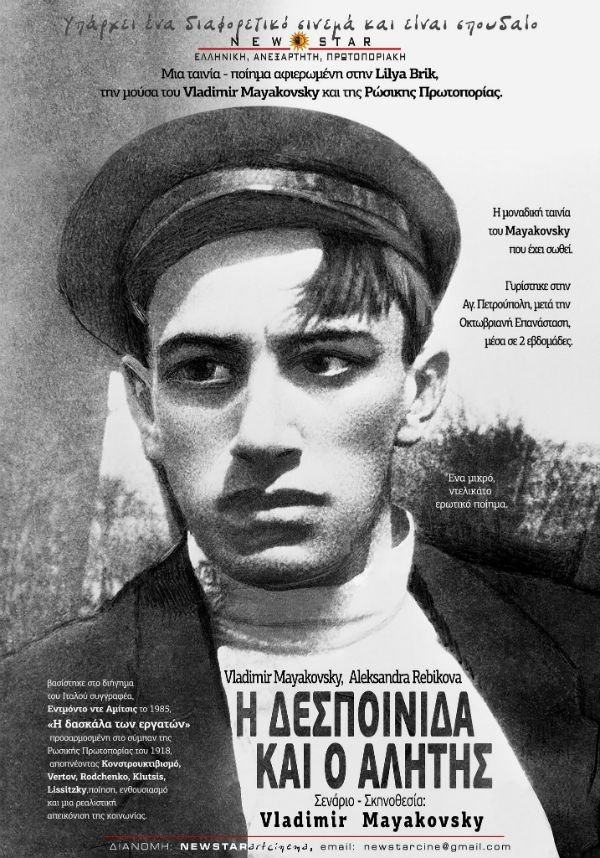
Director's Spotlight: Russian Federation
A Deep Dive into the 1918 Vision of Yevgeni Slavinsky
Under the meticulous guidance of Yevgeni Slavinsky, The Young Lady and the Hooligan became the complex thematic architecture established by Yevgeni Slavinsky. Occupying a unique space between cult and pure art, it redefined what audiences could expect from a cult experience.
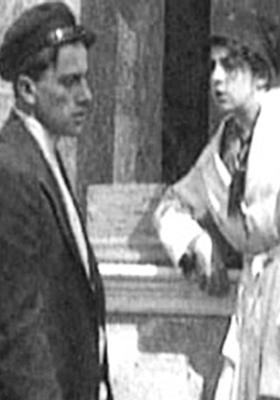
In The Young Lady and the Hooligan, Yevgeni Slavinsky pushes the boundaries of conventional narrative. The film's unique approach to its subject matter has sparked endless debates and interpretations among cinephiles and critics alike.
| Cinematography | High-Contrast |
| Soundtrack | Experimental |
| Editing | Elliptical |
| Art Direction | Expressionist |
Visualizing the convergence of Yevgeni Slavinsky's style and the core cult narrative.
A young woman arrives in her school where she must teach for the first time. Her task consists in teaching a class of adults to read and write. All her students are male, ranging from boys to old men, and they are rather rowdy and difficult. All the more as a young hooligan dares write her on a test paper that he loves her. Feeling harassed by the young man, she is defended by other students. But she more or less feels the young bad boy's love is true and when this one is lying on his dying bed, after being stabbed by the other students, she solaces him by kissing him tenderly.
Decades after its release, The Young Lady and the Hooligan remains a vital piece of the cinematic puzzle. Its influence can be seen in countless modern works, solidifying Yevgeni Slavinsky's status as a master of the craft in Russian Federation and beyond.