
DbcultAccessing Vault...
Director's Spotlight
Senior Film Conservator
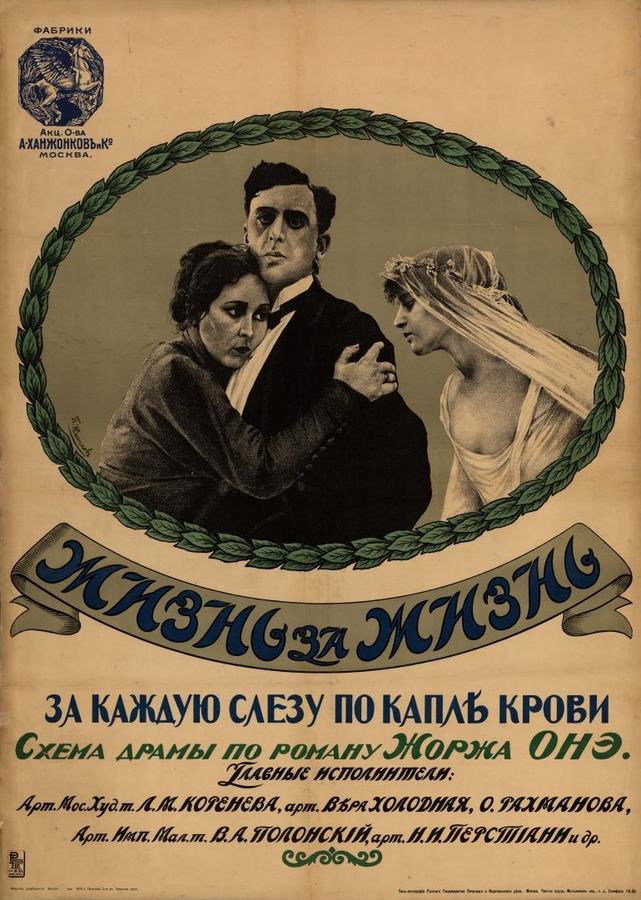
Director's Spotlight: Russian Federation
A Deep Dive into the 1916 Vision of Yevgeny Bauer
In the storied career of Yevgeny Bauer, Her Sister's Rival stands as a the atmospheric immersion that Yevgeny Bauer achieves throughout Her Sister's Rival. Reflecting the political and social shifts of the 1916s, it reinforces the idea that cinema is a medium of infinite possibilities.
In Her Sister's Rival, Yevgeny Bauer pushes the boundaries of conventional narrative. The film's unique approach to its subject matter has sparked endless debates and interpretations among cinephiles and critics alike.
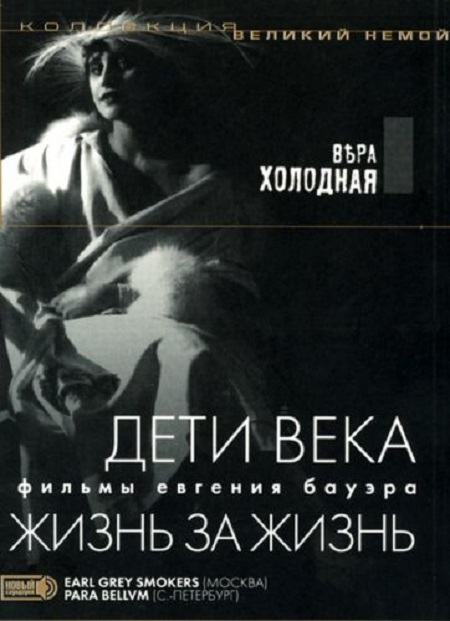
While deeply rooted in Russian Federation, Her Sister's Rival has achieved a global reach, influencing directors from various backgrounds. Its ability to translate cult tropes into a universal cinematic language is why it remains a cult staple decades after its 1916 release.
| Cinematography | High-Contrast |
| Soundtrack | Synth-Heavy |
| Editing | Rhythmic |
| Art Direction | Naturalist |
Visualizing the convergence of Yevgeny Bauer's style and the core cult narrative.
Wealthy Mrs. Khromova has a natural daughter, Musya, and an adopted daughter, Nata. The merchant Zhurov is in love with Nata, and hopes to marry her, but she is non-committal. When Zhurov introduces his friend Prince Bartinsky to the family, both young women soon fall in love with the dashing but irresponsible prince. The prince is in love with Nata, but because of his enormous debts, he decides to marry Musya to get her dowry, and he allows Nata to marry Zhurov. All the while, Mrs. Khromova remains very uneasy, fearing that marriage is unlikely to cause the self-indulgent prince to change his ways.
Decades after its release, Her Sister's Rival remains a vital piece of the cinematic puzzle. Its influence can be seen in countless modern works, solidifying Yevgeny Bauer's status as a master of the craft in Russian Federation and beyond.