
DbcultAccessing Vault...
Director's Spotlight
Senior Film Conservator
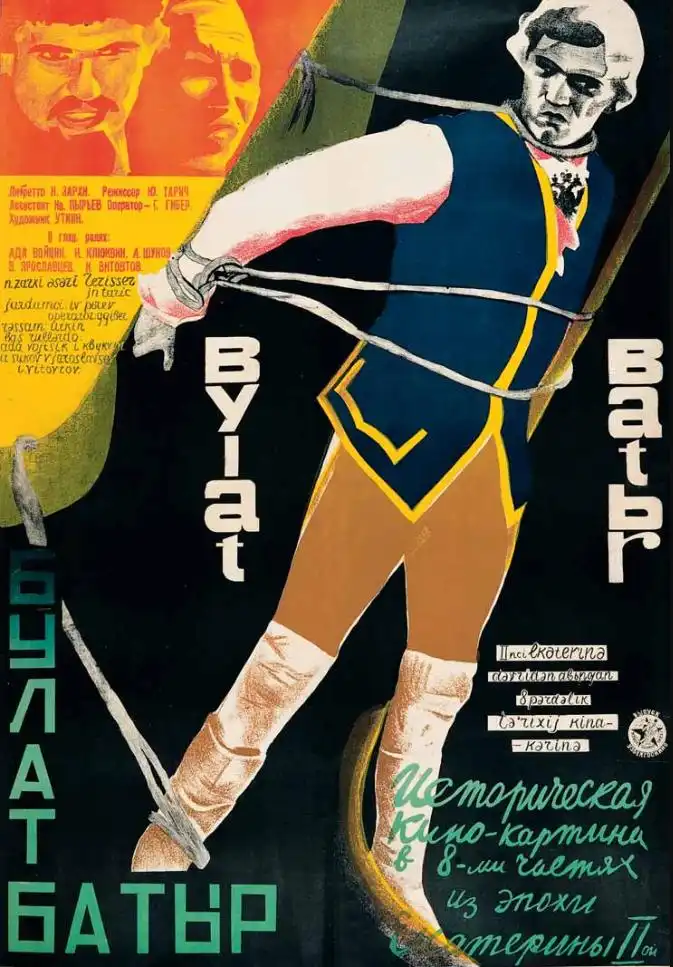
Director's Spotlight: Soviet Union
A Deep Dive into the 1928 Vision of Yuri Tarich
The evocative power of Bulat-Batyr stems from the unique collaboration between the bold experimentation that has become synonymous with Yuri Tarich. Framed by the hauntingly beautiful landscapes of the production, it echoes the profound changes occurring in Soviet Union during that era.
In Bulat-Batyr, Yuri Tarich pushes the boundaries of conventional narrative. The film's unique approach to its subject matter has sparked endless debates and interpretations among cinephiles and critics alike.
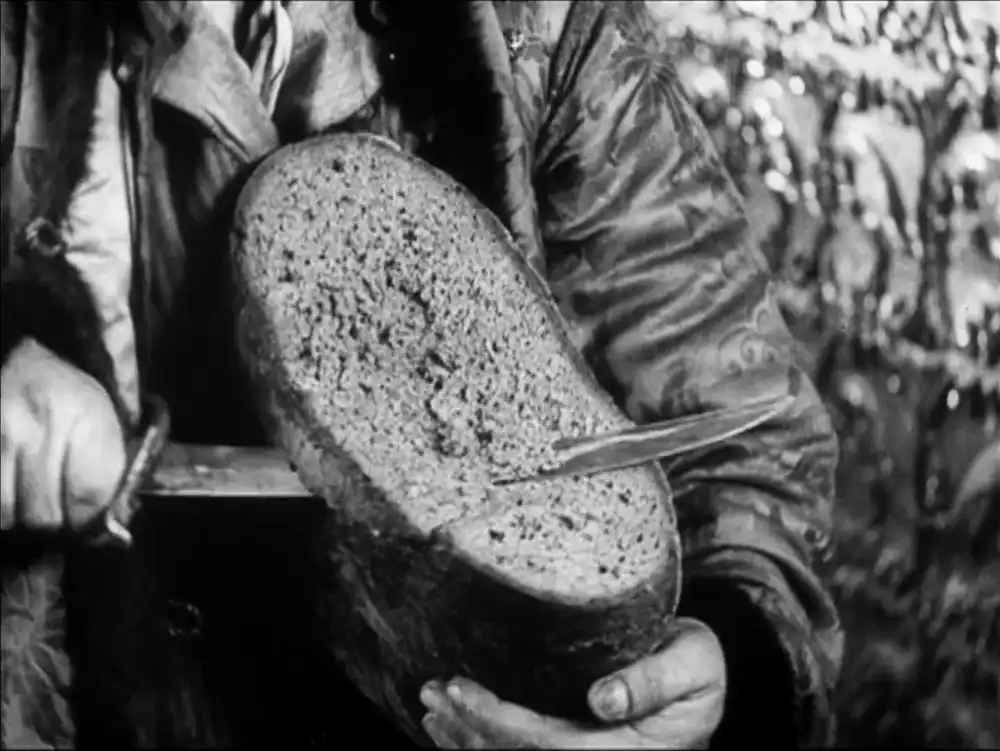
The visual language of Bulat-Batyr is defined by its use of shadows and framing, a hallmark of Yuri Tarich's style. By utilizing a 1928-era palette, the film creates an immersive experience that perfectly complements its History themes.
| Cinematography | Static |
| Soundtrack | Orchestral |
| Editing | Invisible |
| Art Direction | Kitsch |
Visualizing the convergence of Yuri Tarich's style and the core History narrative.
In a small Tatar village during the traditional holiday of the beginning of plowing, monks appear accompanied by soldiers. Trying to convert the local population to Orthodoxy by force, the monks and soldiers meet a tough rebuff from the locals. The wife of the peasant Bulat dies, and his son Asfan is taken away in an unknown direction.
Decades after its release, Bulat-Batyr remains a vital piece of the cinematic puzzle. Its influence can be seen in countless modern works, solidifying Yuri Tarich's status as a master of the craft in Soviet Union and beyond.