
DbcultAccessing Vault...
Director's Spotlight
Senior Film Conservator
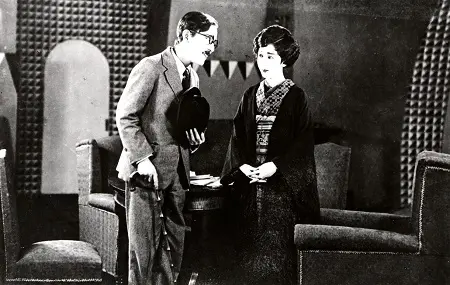
Director's Spotlight: Japan
A Deep Dive into the 1926 Vision of Yutaka Abe
The evocative power of Ashi ni sawatta onna stems from the unique collaboration between the subversive storytelling techniques employed by Yutaka Abe in 1926. Synthesizing the best elements of Japan and international cinema, it reminds us of the fragility and beauty of the 1926s.
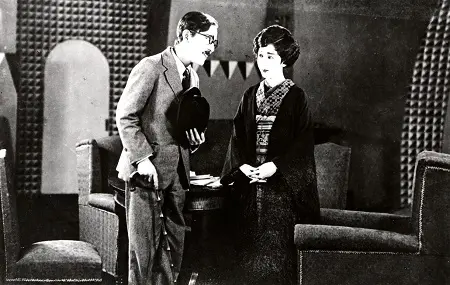
In Ashi ni sawatta onna, Yutaka Abe pushes the boundaries of conventional narrative. The film's unique approach to its subject matter has sparked endless debates and interpretations among cinephiles and critics alike.
| Cinematography | High-Contrast |
| Soundtrack | Minimalist |
| Editing | Slow-Burn |
| Art Direction | Brutalist |
Visualizing the convergence of Yutaka Abe's style and the core Comedy narrative.
Based on novel "The Woman Who Touched Her Feet" by Nadematsu Sawada about Goheita Kita, an Osaka detective, and Saya Shiozawa, a pickpocket woman from Osaka, who go on vacation to Tokyo on an unusual journey.
Decades after its release, Ashi ni sawatta onna remains a vital piece of the cinematic puzzle. Its influence can be seen in countless modern works, solidifying Yutaka Abe's status as a master of the craft in Japan and beyond.