
Curated Collection
The Toxic Chalice: Early Cinema’s Obsession with Chemical Corruption
Explore the sensationalist roots of addiction cinema, where early filmmakers used 'drug terrors' and 'poisoned pools' to dramatize the fragility of the human soul.
20 films in this collection
The Dawn of the Drug Terror
In the fertile, often lawless soil of the 1910s, cinema was not just an art form; it was a moral laboratory. As the Victorian era gasped its last and the industrial world accelerated toward the Great War, filmmakers began to grapple with a new kind of villain: the chemical agent. This collection, 'The Toxic Chalice,' delves into the earliest cinematic depictions of addiction, poisoning, and the psychological dissolution caused by 'vices' that were previously the domain of whispered rumors and medical journals. From the literal toxicity of a 'poison pool' to the metaphorical decay of a cocaine-addicted socialite, these films represent the birth of the 'exploitation' genre under the guise of moral instruction.
Sensationalism as Education
During the mid-1910s, filmmakers faced increasing pressure from censorship boards and religious groups. To depict the 'sordid' realities of drug use or alcoholism, they developed a clever rhetorical shield: the educational warning. Films like Cocaine Traffic; or, the Drug Terror (1914) and Drugged Waters (1916) were marketed as public service announcements, yet they thrived on the very spectacle they claimed to condemn. This period saw the rise of the 'cautionary tale' as a blockbuster format. By showing the downward spiral of a protagonist—often starting with a single 'innocent' glass or a medicinal dose—directors like Edward Sloman and early pioneers at Universal and Vitagraph created a template for the addiction dramas that would follow decades later.
The Visual Language of the 'Trip'
Because silent cinema relied entirely on visual storytelling, depicting the internal state of a person under the influence of narcotics or poisons required immense creativity. We see the beginnings of surrealism in these sequences. In films like The Craving (1916), directors used double exposures, distorted lighting, and frantic editing to simulate the hallucinatory effects of substances. These were not merely plot points; they were opportunities for technical experimentation. The 'toxic' state allowed filmmakers to break the rules of traditional narrative logic, introducing dream sequences and spectral apparitions that haunted the protagonist’s waking life. The use of 'Red Powder' or mysterious elixirs became a shorthand for a loss of agency, a theme that resonated deeply with an audience feeling the loss of control in a rapidly changing world.
Global Toxins: From the Steppes to the Studios
The obsession with chemical and moral corruption was not limited to the United States. In the Russian Federation, Evgenii Bauer was crafting masterpieces like Sumerki zhenskoy dushi (Twilight of a Woman's Soul, 1913), which explored the psychological poisoning of the elite. Hungarian cinema contributed Az éjszaka rabja (Slave of the Night, 1914), a title that perfectly encapsulates the era's view of addiction as a form of literal bondage. These international works often carried a heavier, more fatalistic tone than their American counterparts. While Hollywood films often provided a path to redemption through faith or family (as seen in The Gates of Eden), the European 'toxic' films frequently ended in the total annihilation of the individual, reflecting a continent on the brink of collapse.
The Poisoned Environment
Not all toxins in this collection come in a needle or a glass. The era was fascinated by the 'poisoned environment'—the idea that certain locations or social circles were inherently corrupting. The Mystery of the Poison Pool (1914) uses a literal environmental hazard to drive its adventure narrative, but it serves as a potent metaphor for the hidden dangers lurking in the 'uncivilized' world. Similarly, films set in the burgeoning urban centers, such as The City of Illusion (1916), treated the metropolis itself as a chemical agent that warped the minds of those who entered it. The 'Toxic Chalice' was not just a drink; it was the modern world itself, offered to an unsuspecting public.
The Legacy of the Early Addict
Why does this era of 'chemical corruption' cinema matter to the modern cinephile? Because it established the archetypes of the 'junkie,' the 'pusher,' and the 'fallen woman' that would dominate noir and social realism for the next century. Before The Man with the Golden Arm or Trainspotting, there was Her Bitter Cup (1916) and A Soul Enslaved (1916). These films show us how society first tried to visualize the invisible grip of dependency. They are artifacts of a time when the boundaries between medicine, crime, and morality were being redrawn by the flickering light of the projector. By revisiting these 'toxic' treasures, we see the foundation of cinema’s long, complicated relationship with the dark side of human chemistry.
Curatorial Note
In assembling this collection, we have looked beyond simple crime stories to find films where the 'substance'—be it a drug, a poison, or a corrupting influence—is the primary antagonist. We invite you to look past the scratches on the film stock and see the haunting, often terrifyingly modern anxieties of a world first learning to fear what it could ingest, inject, or inhale.
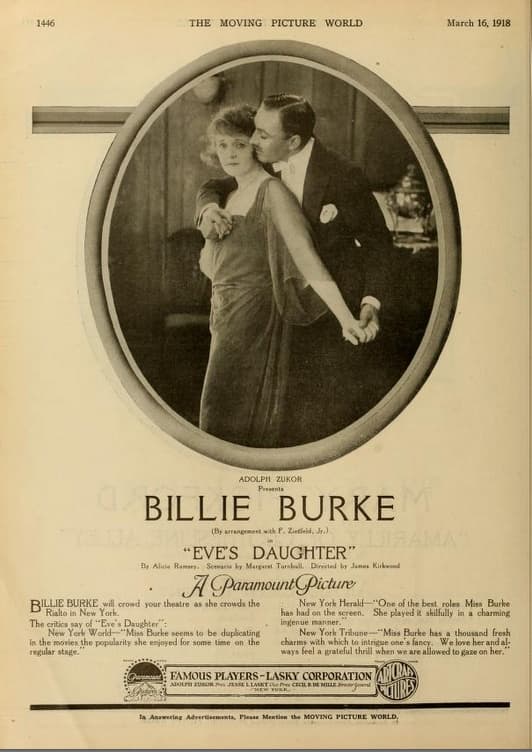
Eve's Daughter
James Kirkwood
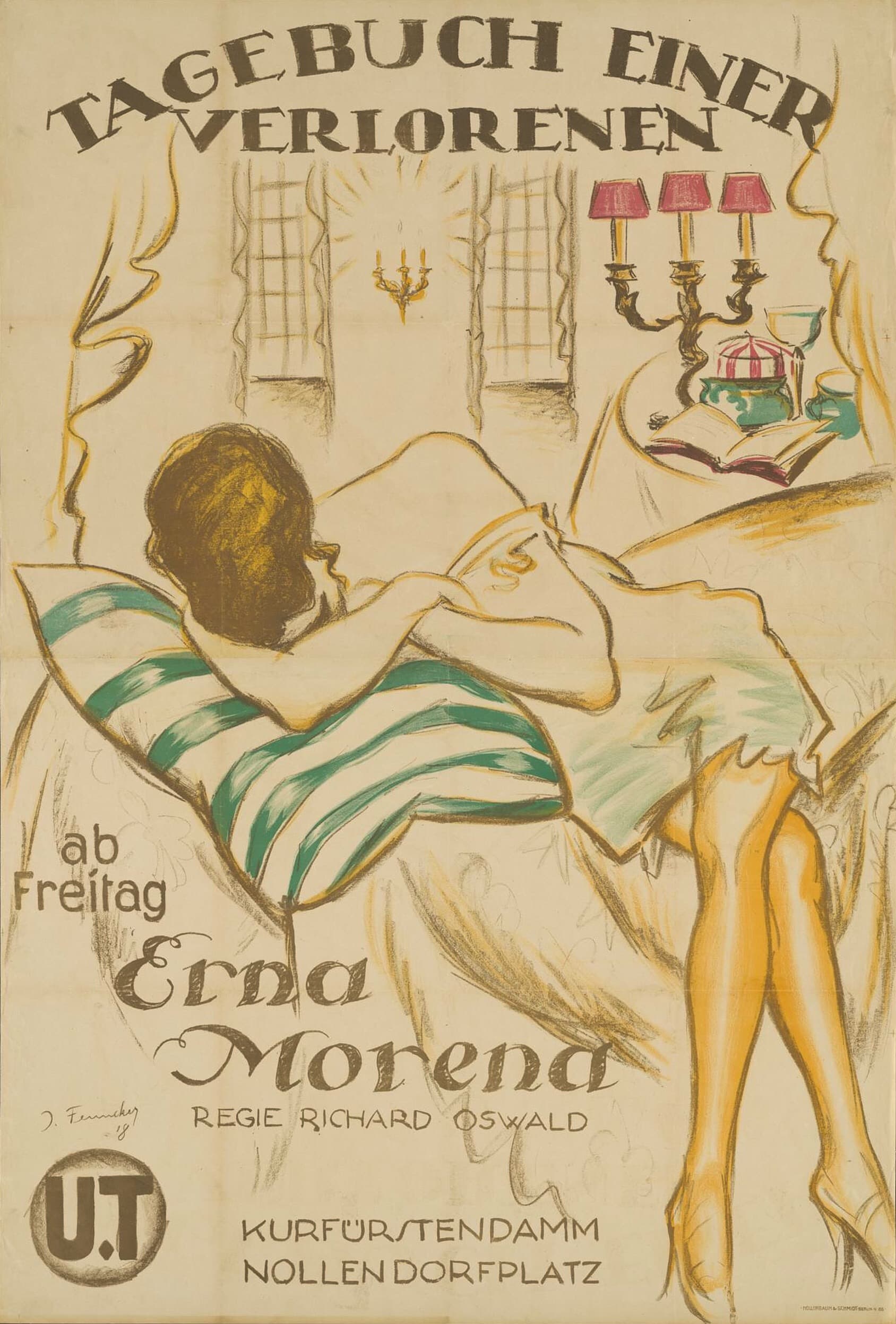
Das Tagebuch einer Verlorenen
Richard Oswald
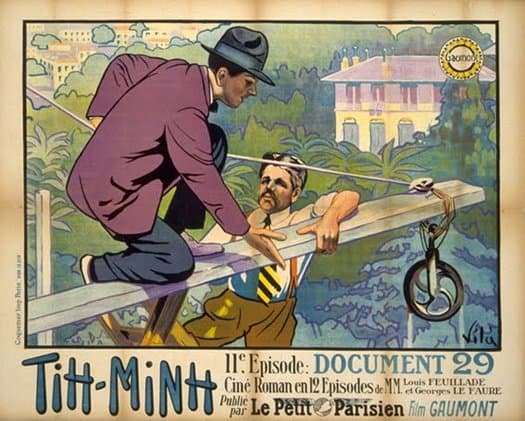
Tih Minh
Louis Feuillade
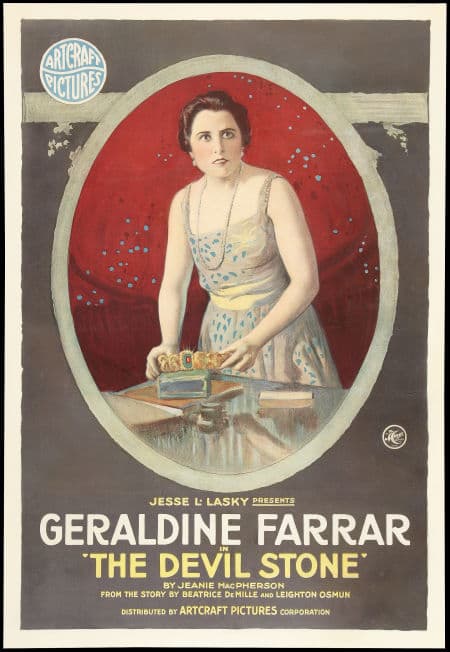
The Devil-Stone
Cecil B. DeMille
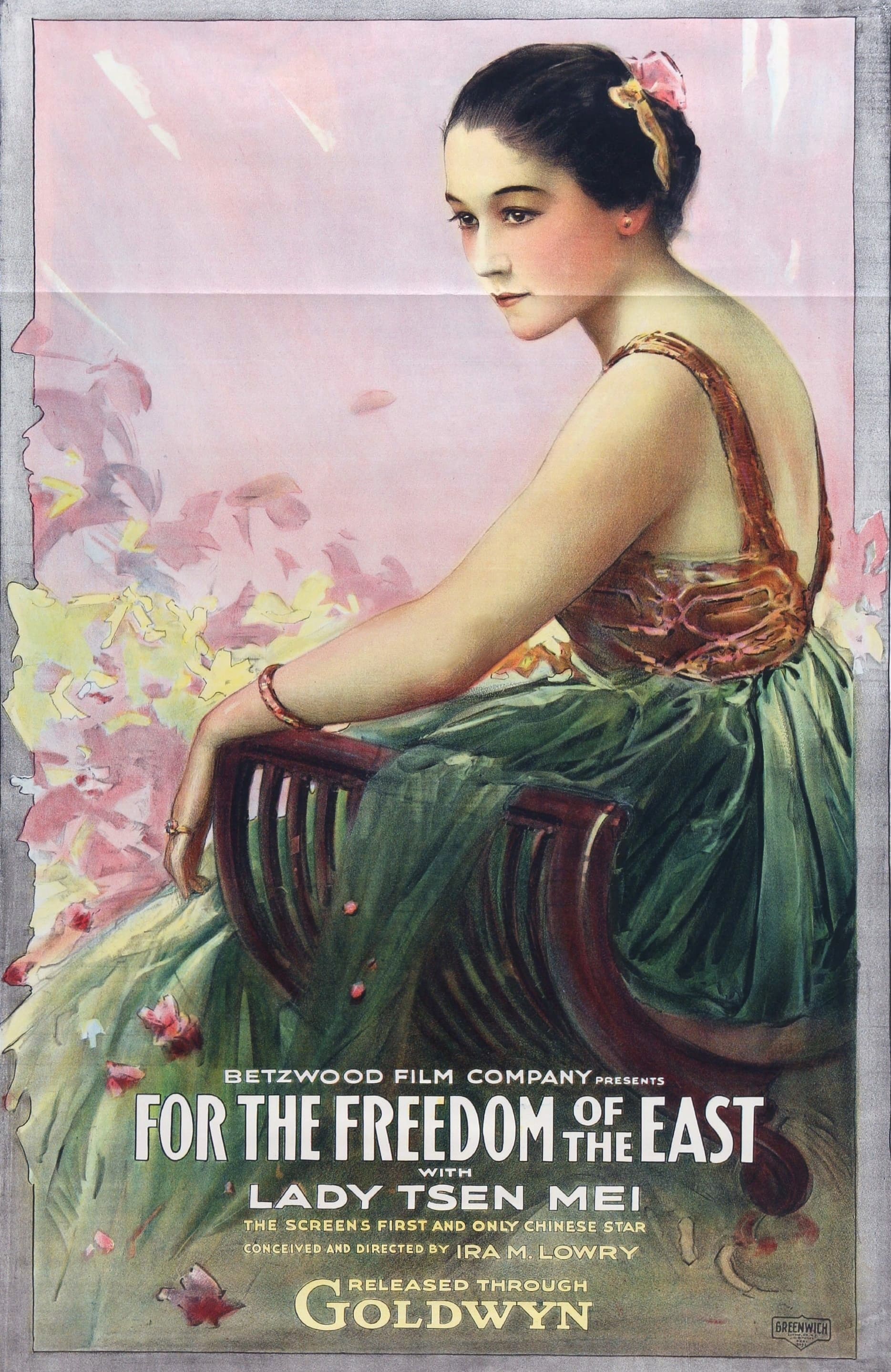
For the Freedom of the East
Ira M. Lowry
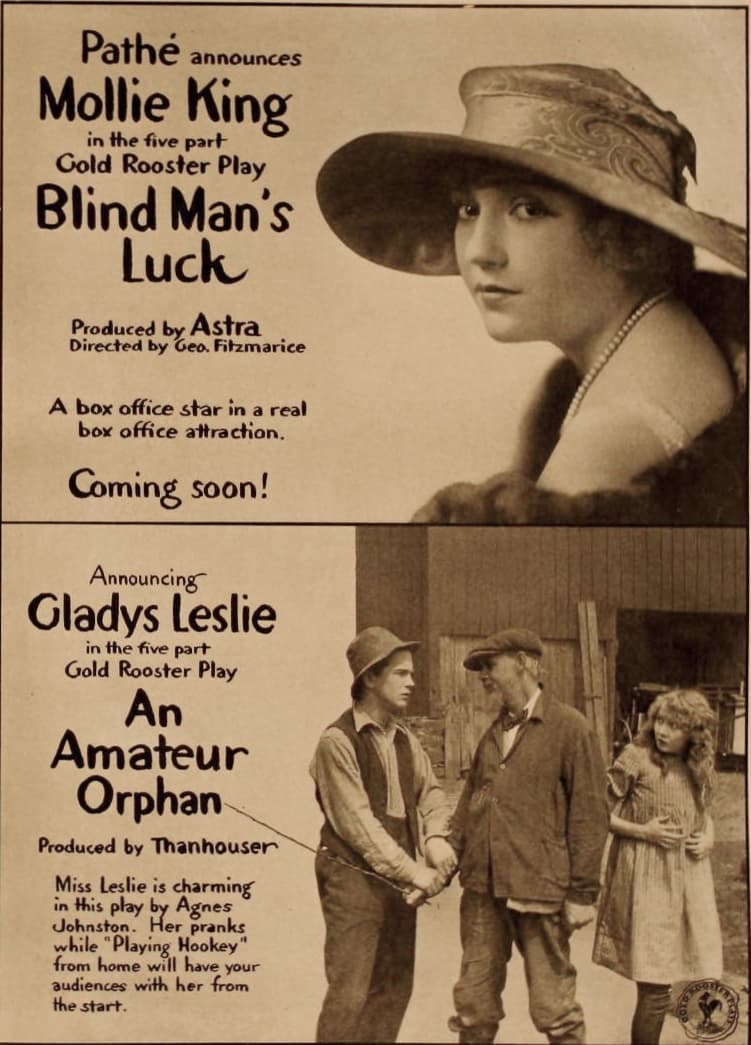
Blind Man's Luck
George Fitzmaurice
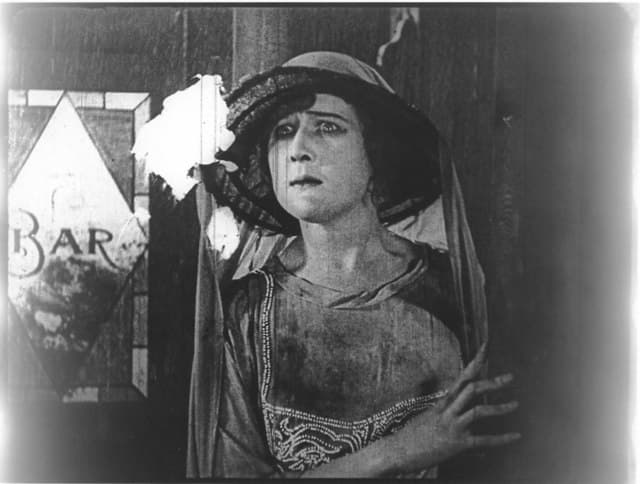
Bread
Ida May Park
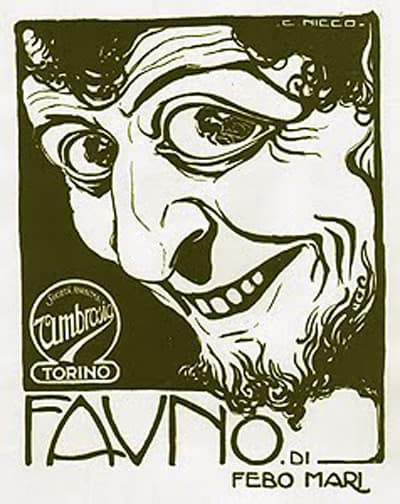
Il Fauno
Febo Mari
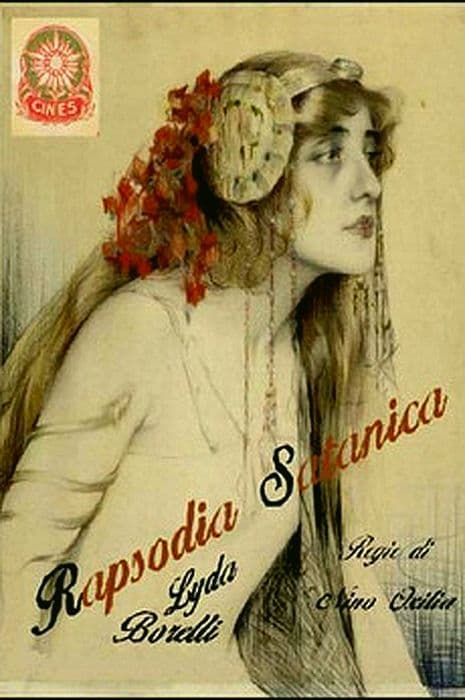
Satan's Rhapsody
Nino Oxilia
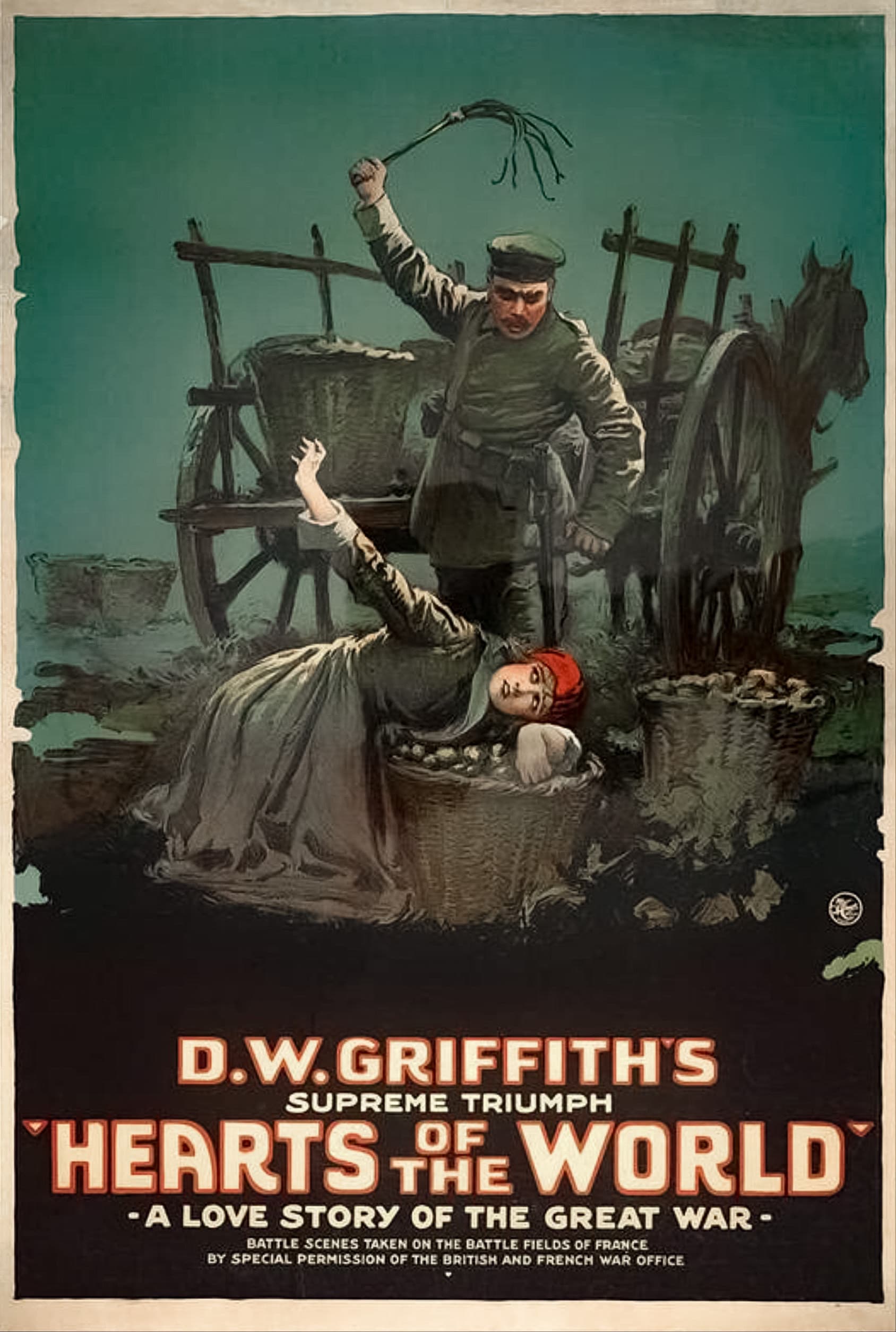
Hearts of the World
D.W. Griffith
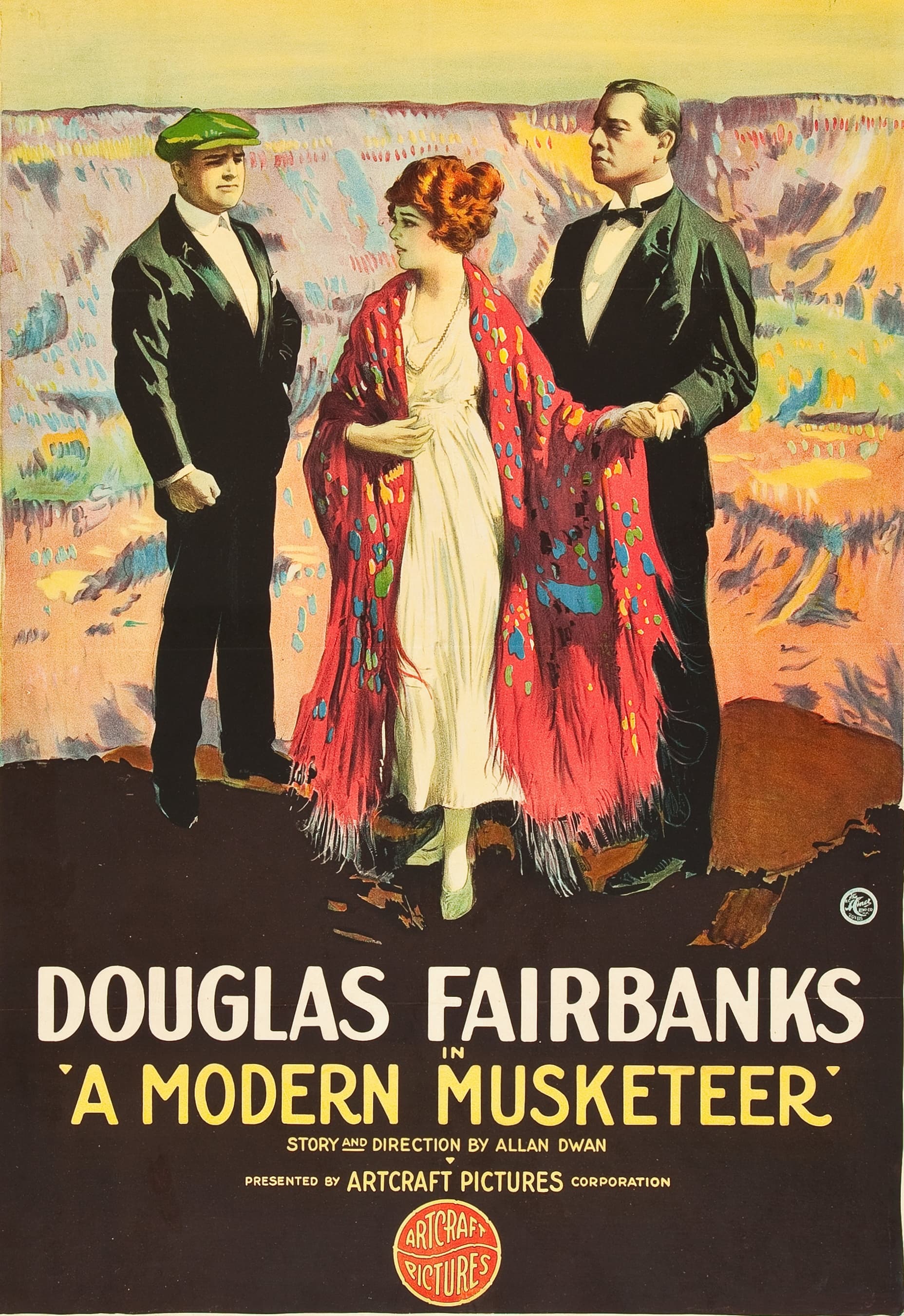
A Modern Musketeer
Allan Dwan
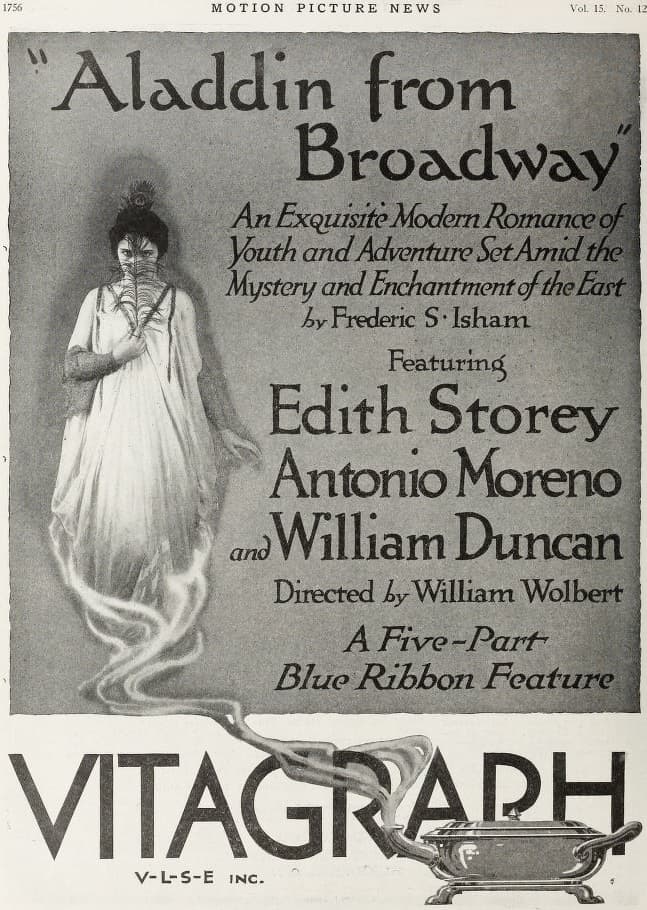
Aladdin from Broadway
William Wolbert
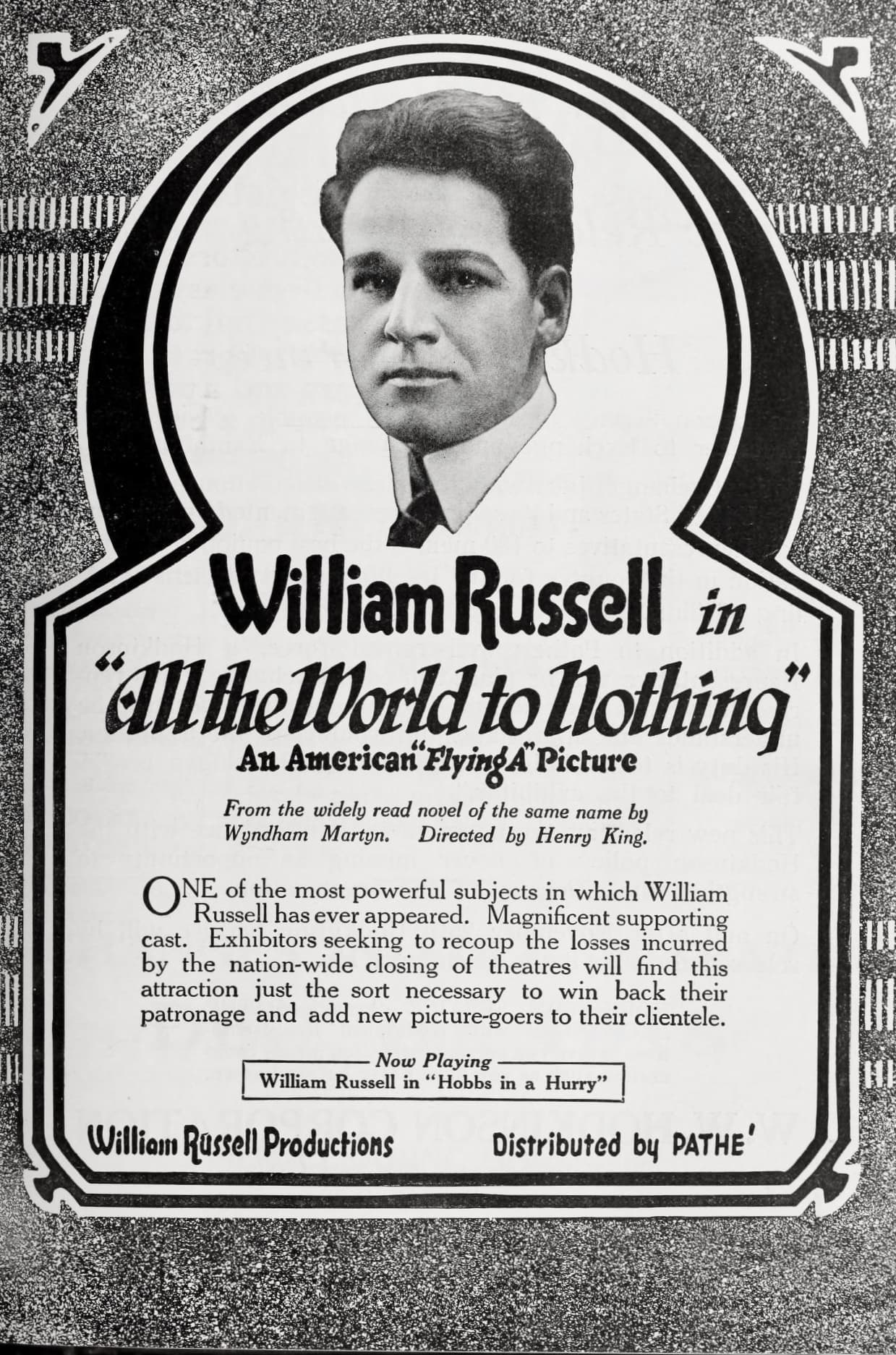
All the World to Nothing
Henry King
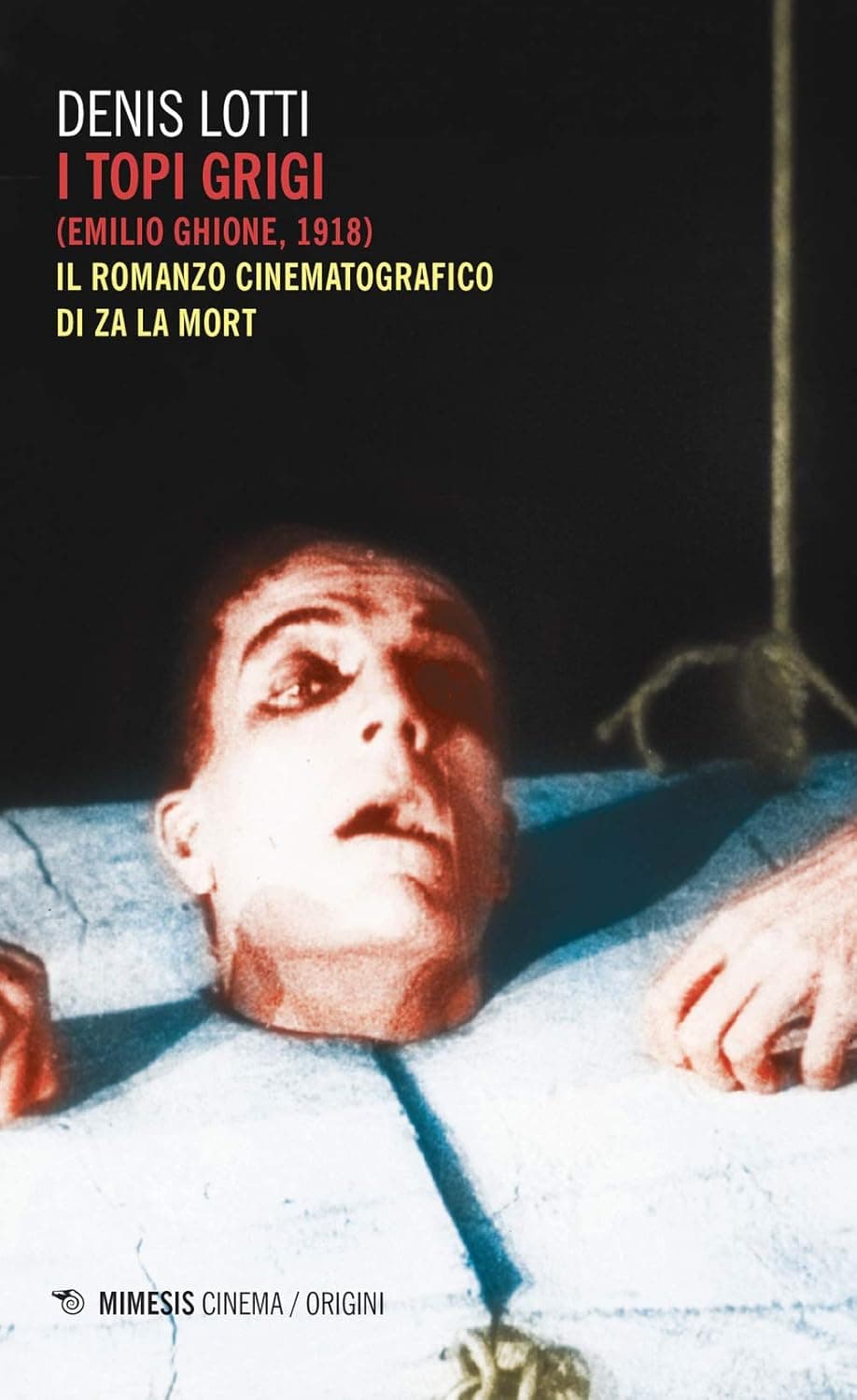
I topi grigi
Emilio Ghione
The Romance of Tarzan
Wilfred Lucas
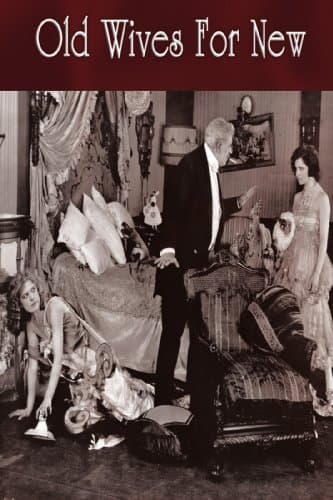
Old Wives for New
Cecil B. DeMille
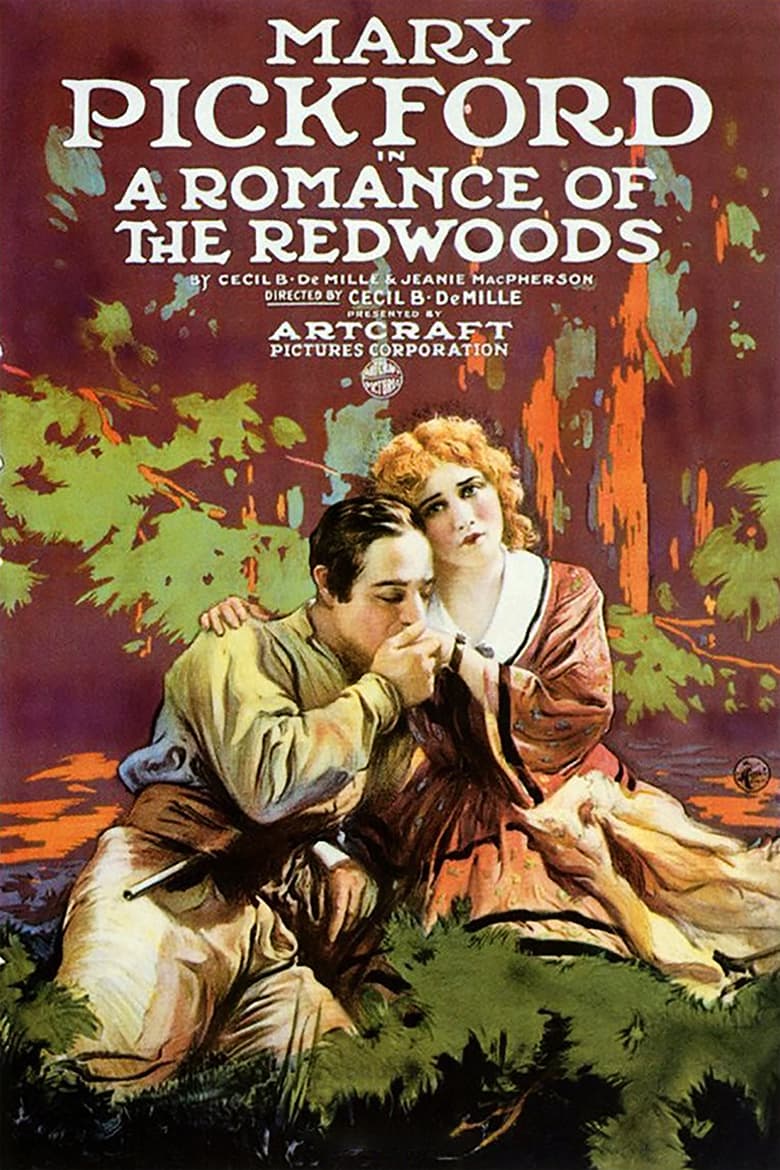
A Romance of the Redwoods
Cecil B. DeMille
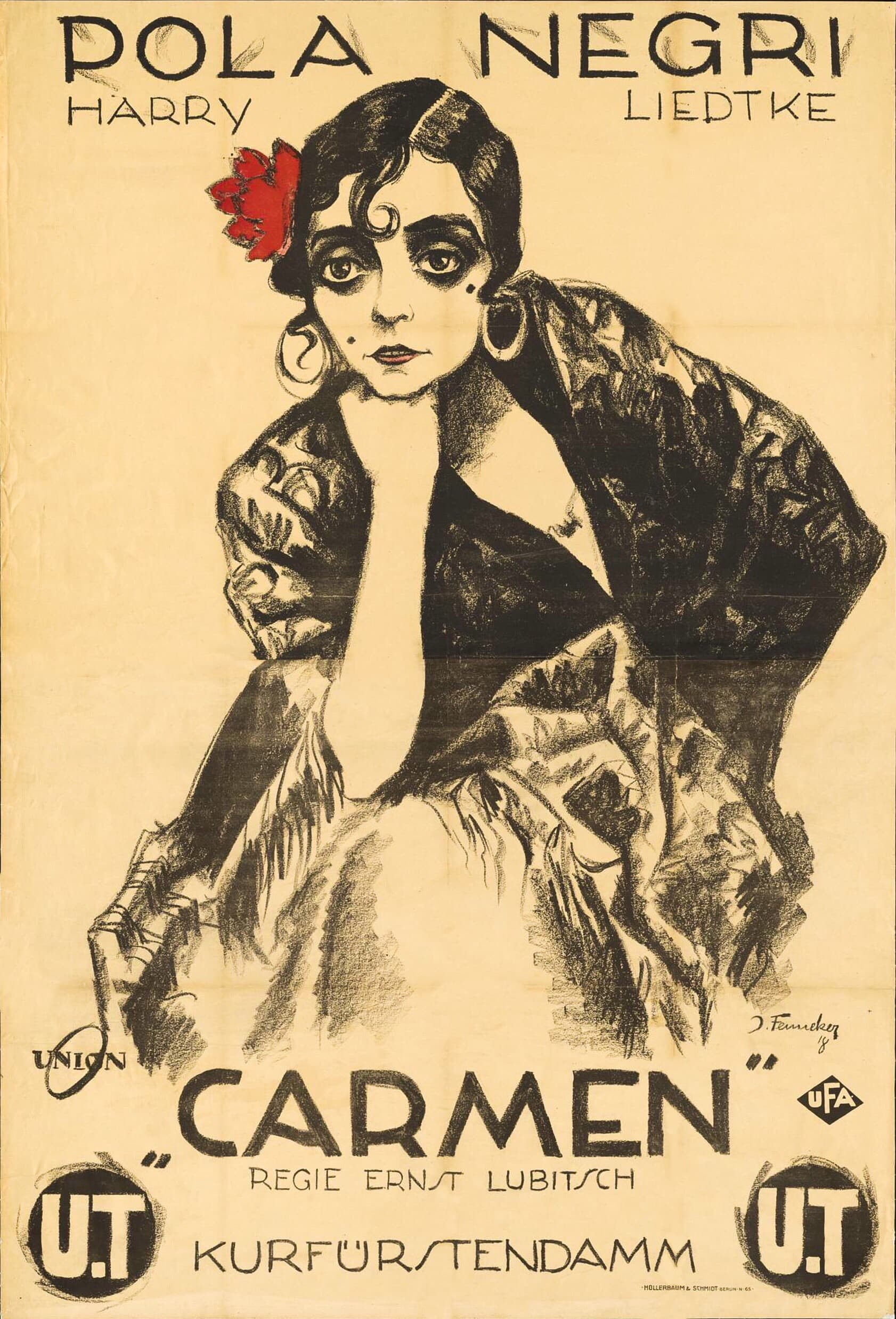
Carmen
Ernst Lubitsch
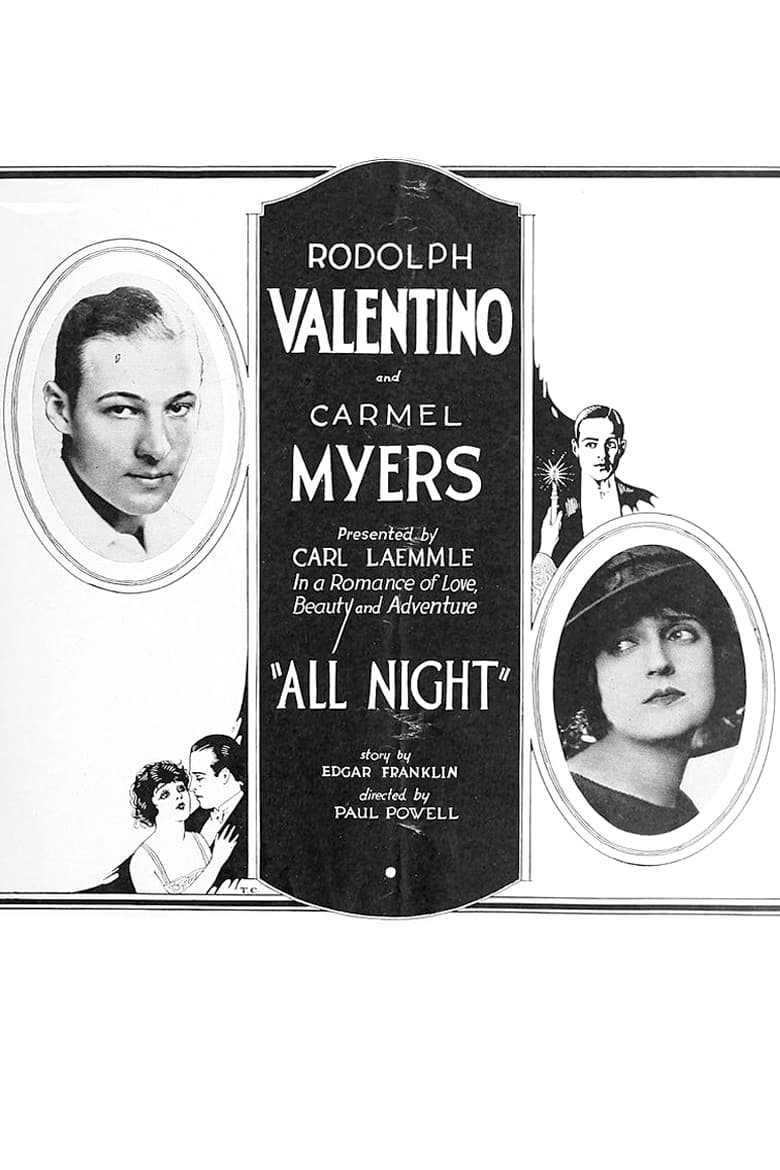
All Night
Paul Powell
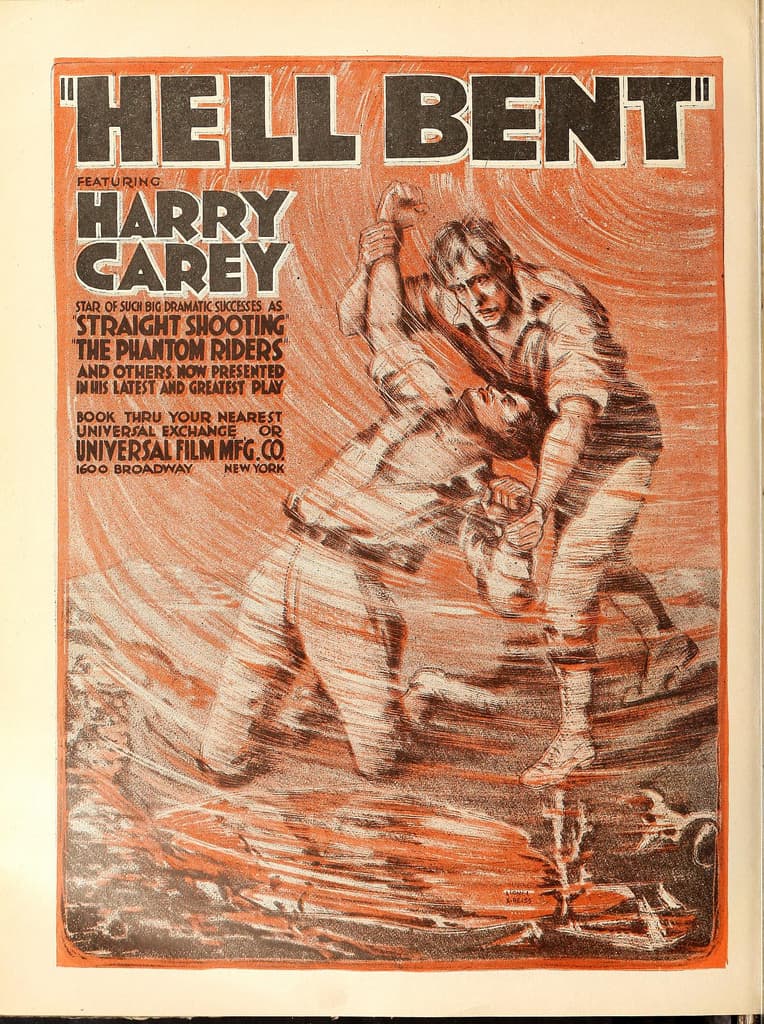
Hell Bent
John Ford