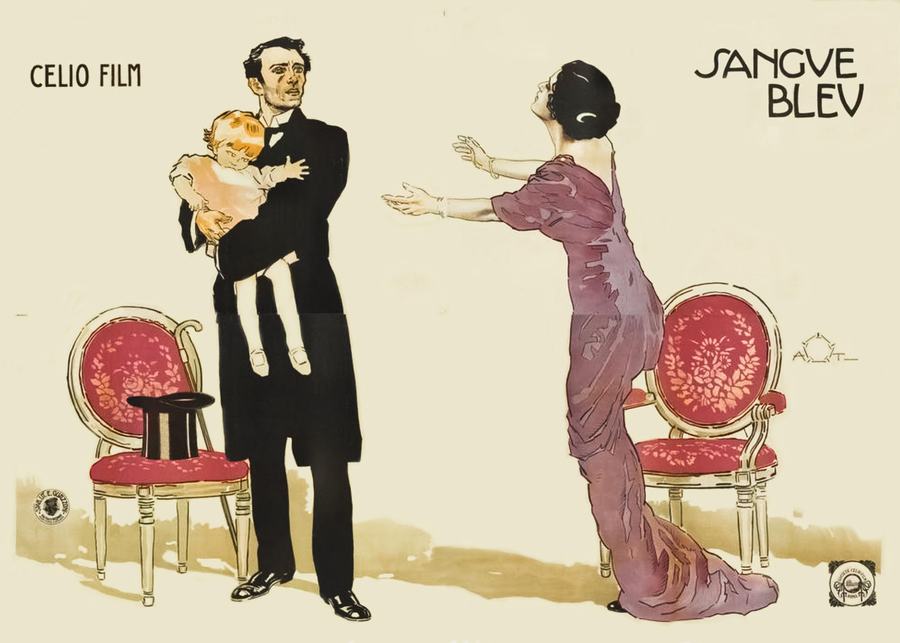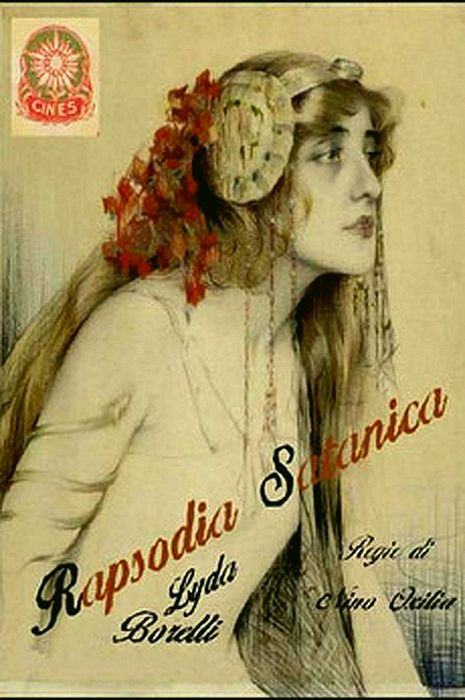
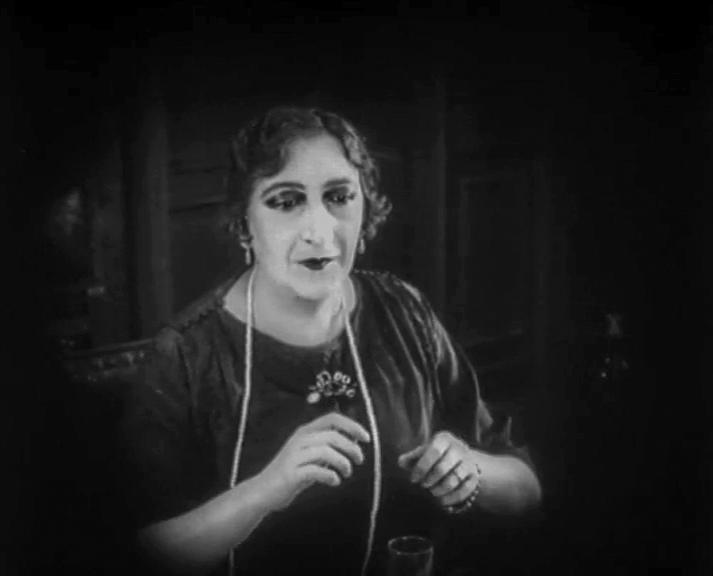
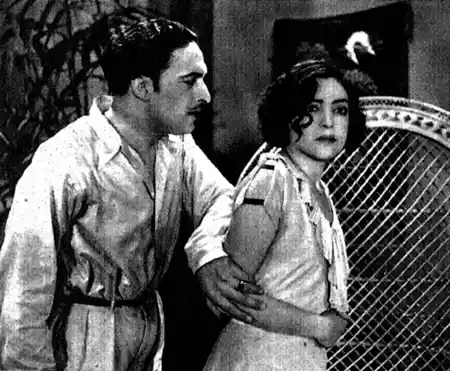
A Faustian tale about an old woman who makes a pact with Mephisto to regain her youth, in return she must stay away from love. After the deal she meets two brothers who fall in love with her.
Fausto Maria Martini, Alberto Fassini
Italy
p{margin-bottom:1.2em;font-size:1.05em;text-align:justify;color:#fff;} a:link,a:visited{color:#0E7490;text-decoration:none;border-bottom:1px dotted #0E7490;} a:hover{color:#EAB308;border-bottom-style:solid;} blockquote{font-style:italic;padding-left:1.2em;border-left:3px solid #C2410C;margin:1.5em 0;color:#EAB308;fon...
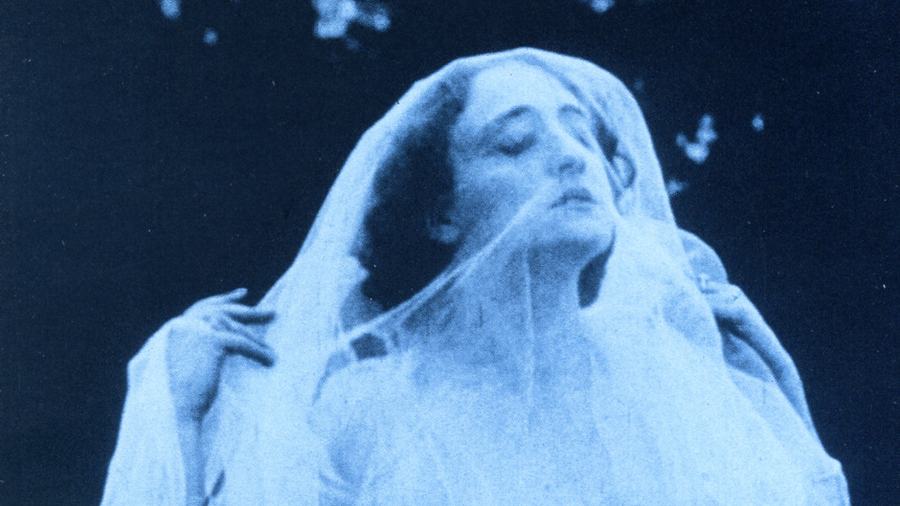
still_frame
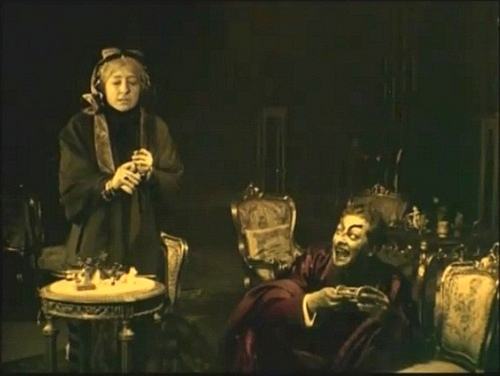
still_frame
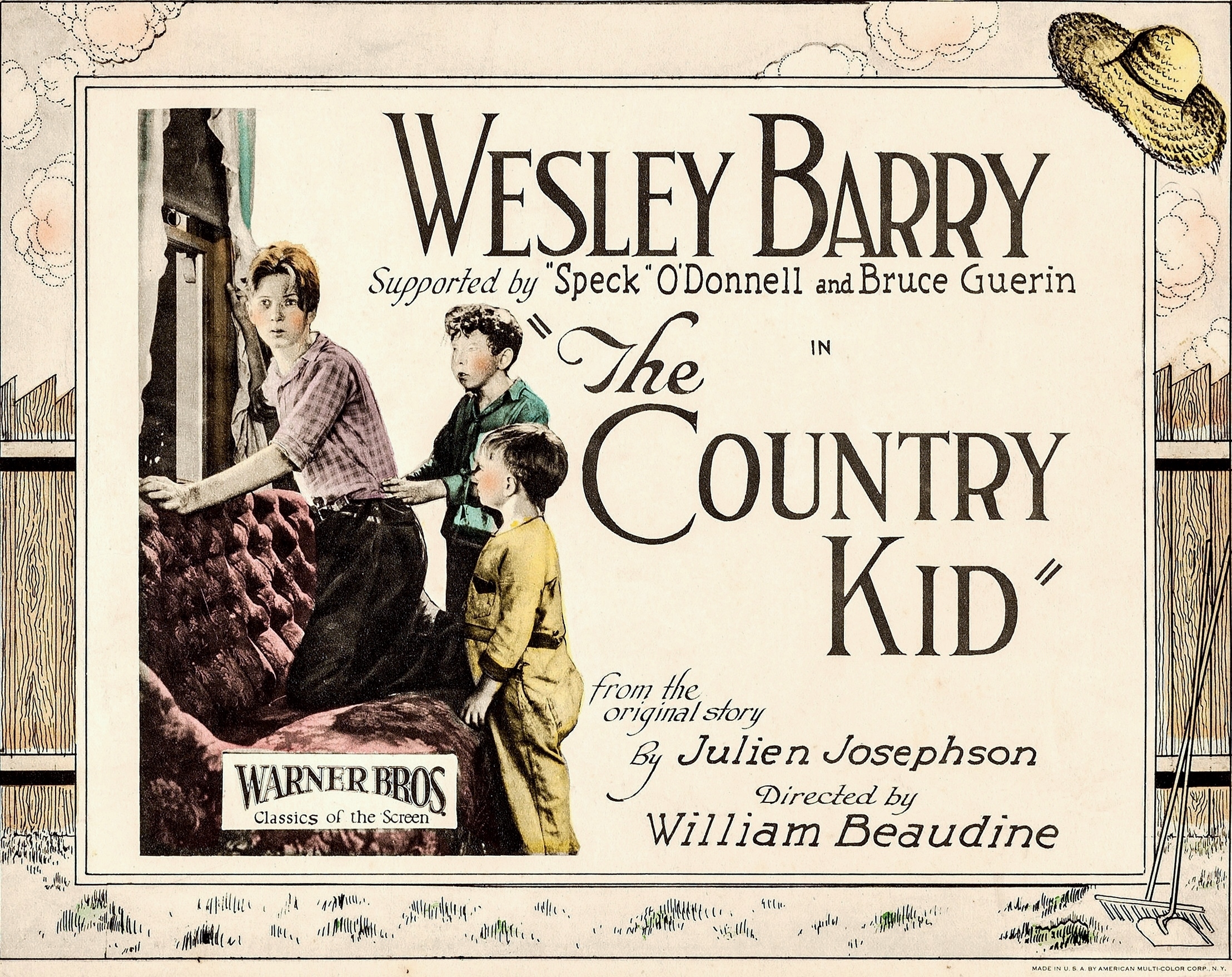
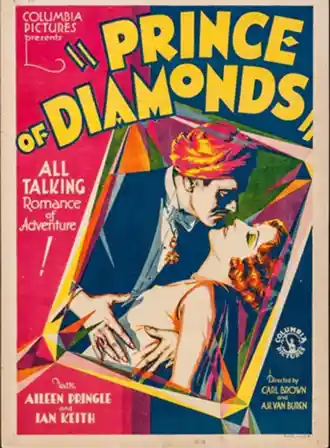
Comparing the cinematic DNA and archive impact of two defining moments in cult history.
Nino Oxilia
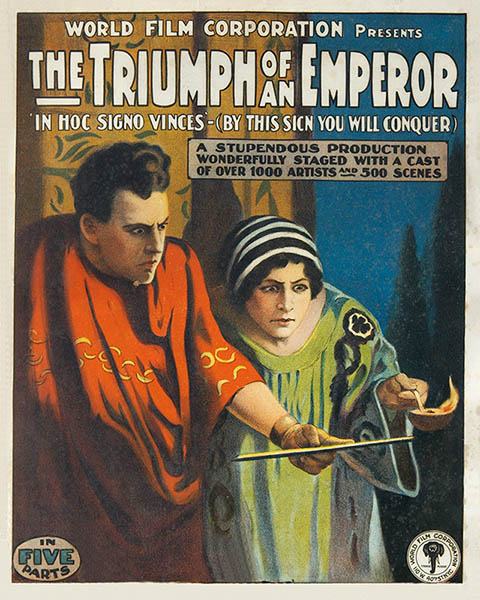
Nino Oxilia
Community
Log in to comment.
" p{margin-bottom:1.2em;font-size:1.05em;text-align:justify;color:#fff;} a:link,a:visited{color:#0E7490;text-decoration:none;border-bottom:1px dotted #0E7490;} a:hover{color:#EAB308;border-bottom-style:solid;} blockquote{font-style:italic;padding-left:1.2em;border-left:3px solid #C2410C;margin:1.5em 0;color:#EAB308;font-size:1.1em;} ul{list-style-type:square;margin:0 0 1.2em 1.4em;color:#fff;} ul li{margin:.4em 0;} strong{color:#C2410C;font-weight:700;} Imagine the last breath of La Belle Époq..."
Deep dive into the cult classic
Discover similar cinematic experiences
A Directorial Spotlight on Nino Oxilia