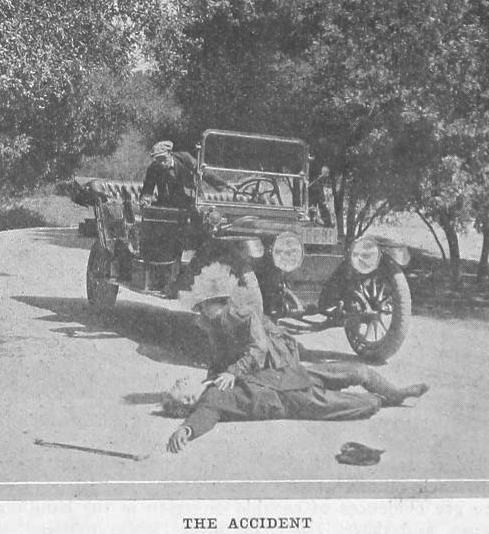
Tired of poverty, Jane finally accepts the advances of Ambrose, the wealthy owner of the factory in which she works, and becomes his mistress. Years later, long after she has left Ambrose, Jane falls in love with Richard Newton, whose own past, like hers, hardly stands out as scrupulous.
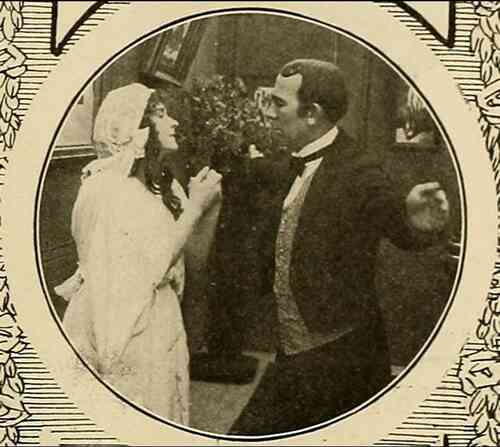
Adele Farrington, Olga Printzlau
United States
The first time we see Jane’s face, it is half-eclipsed by the nickelodeon flicker of the loom-light: a stroboscopic bruise that makes her cheekbones look like broken dinner-plates. Director Cleo Madison—herself once a garment-worker—knows that poverty is not merely an empty larder but a physiognomy; it etches itself o...
still_frame
still_frame
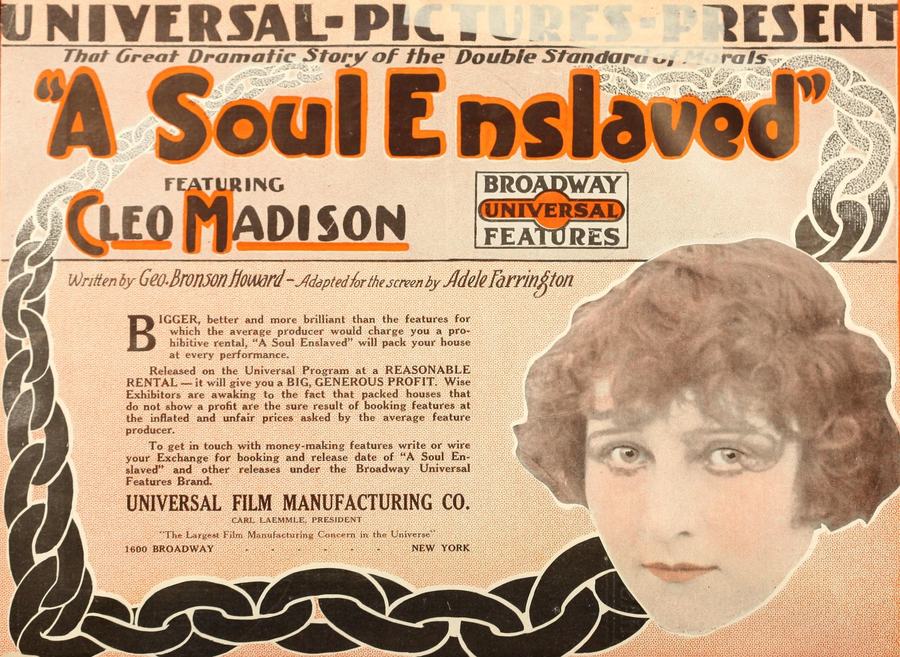
publicity
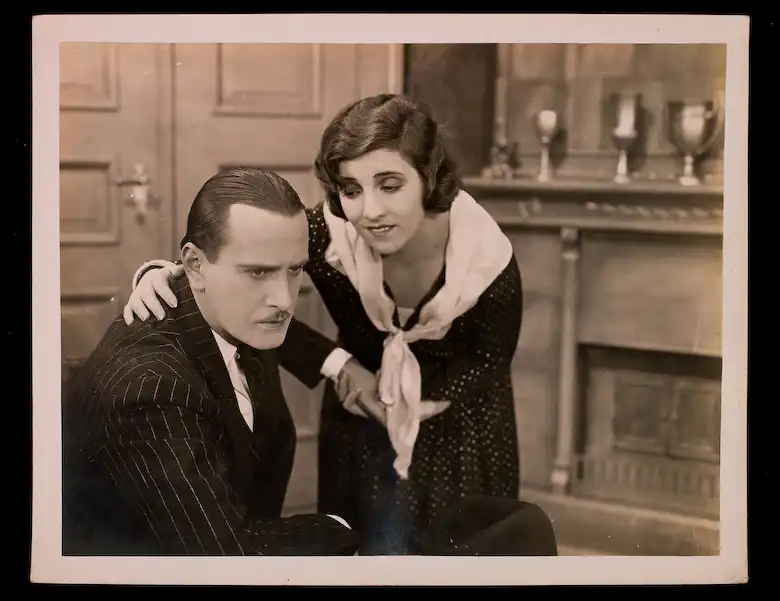
Community
Log in to comment.
" The first time we see Jane’s face, it is half-eclipsed by the nickelodeon flicker of the loom-light: a stroboscopic bruise that makes her cheekbones look like broken dinner-plates. Director Cleo Madison—herself once a garment-worker—knows that poverty is not merely an empty larder but a physiognomy; it etches itself onto the zygomatic arch, the hollow clavicle, the pupil that flinches from any sudden hand. A Soul Enslaved never romanticizes this ledger of hurt; instead it interrogates the price..."
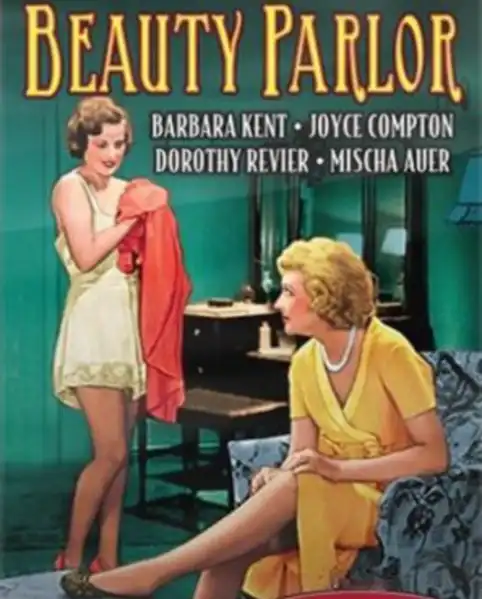
Deep dive into the cult classic
Discover similar cinematic experiences
A Directorial Spotlight on Cleo Madison
