Edgar Jones
actor, director, producer
- Born:
- 1874-06-17, Steubenville, Ohio, USA
- Died:
- 1958-02-07, Los Angeles, California, USA
- Professions:
- actor, director, producer
Biography
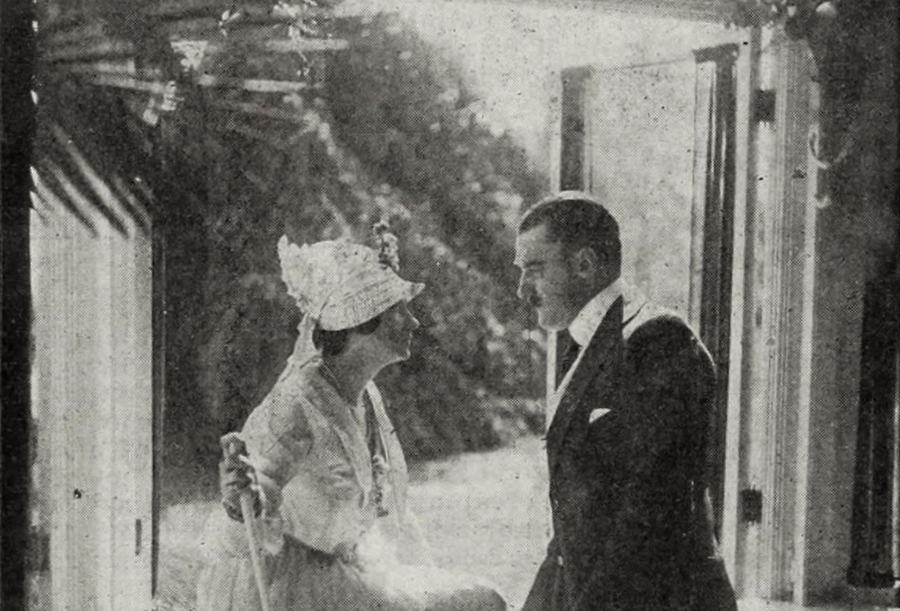
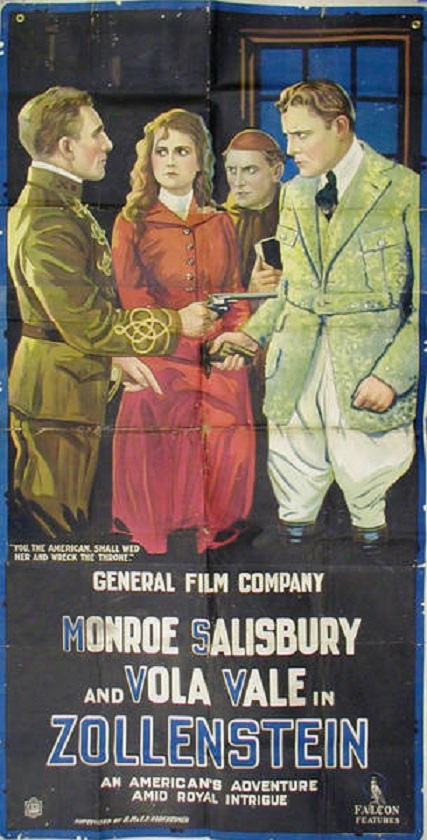
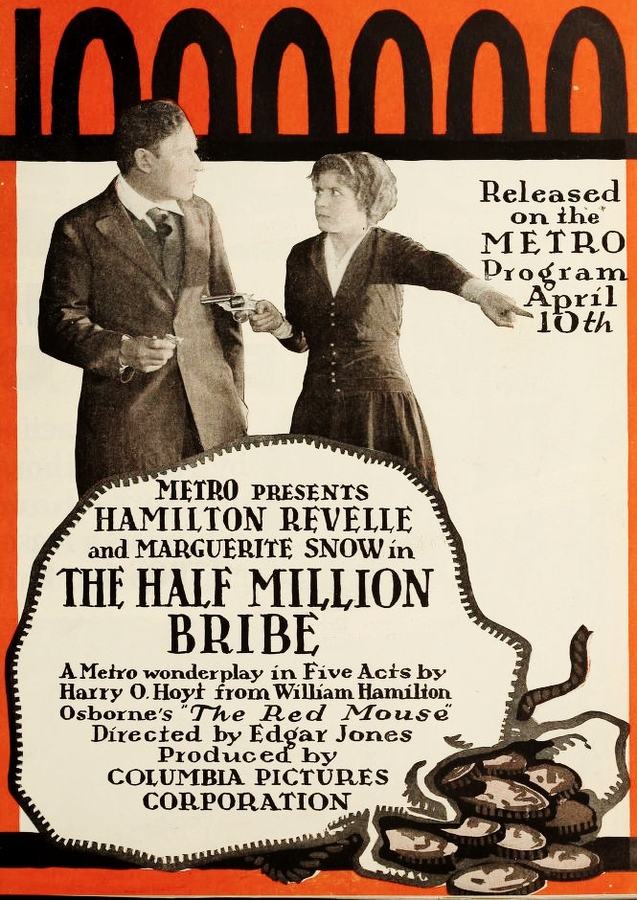
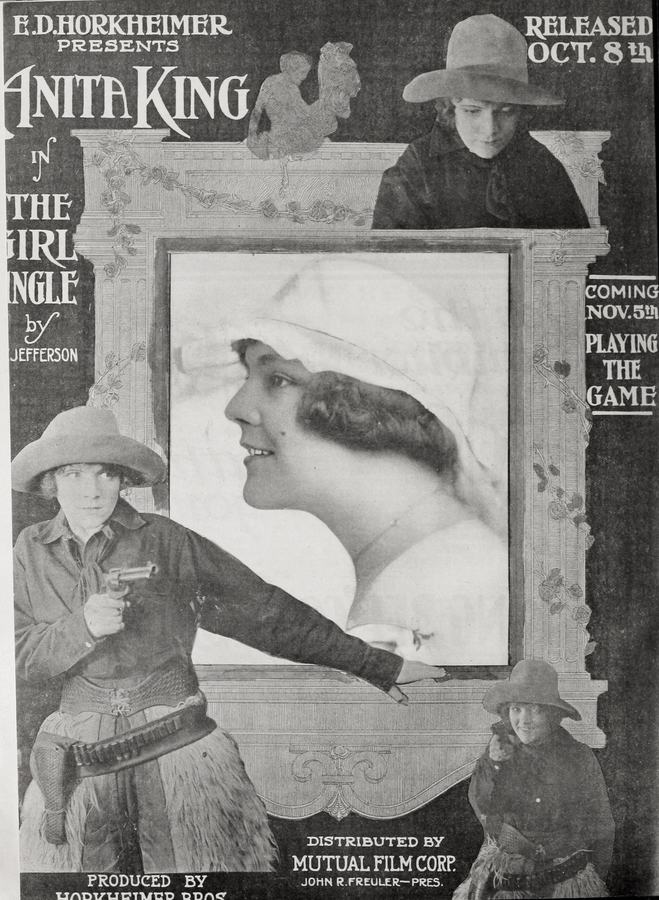
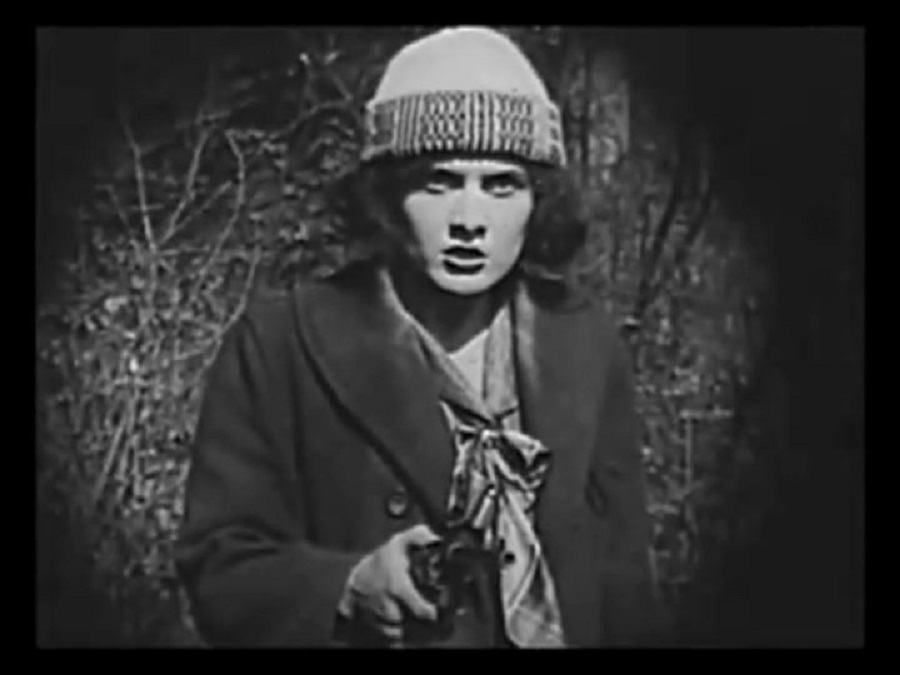
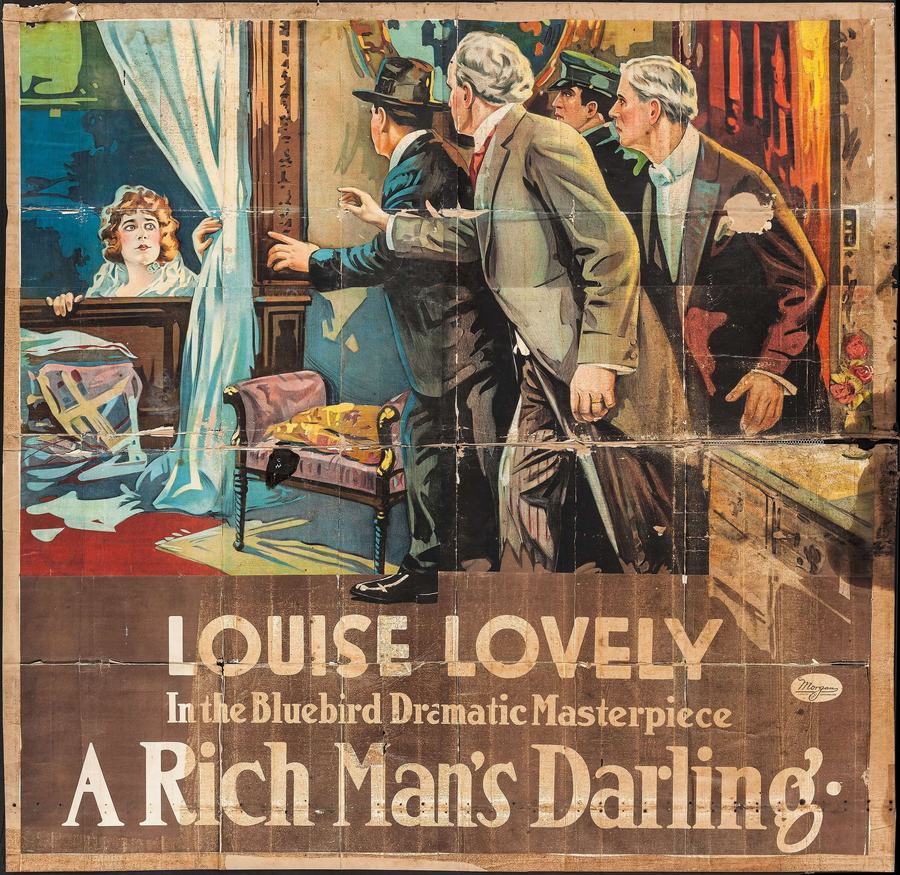
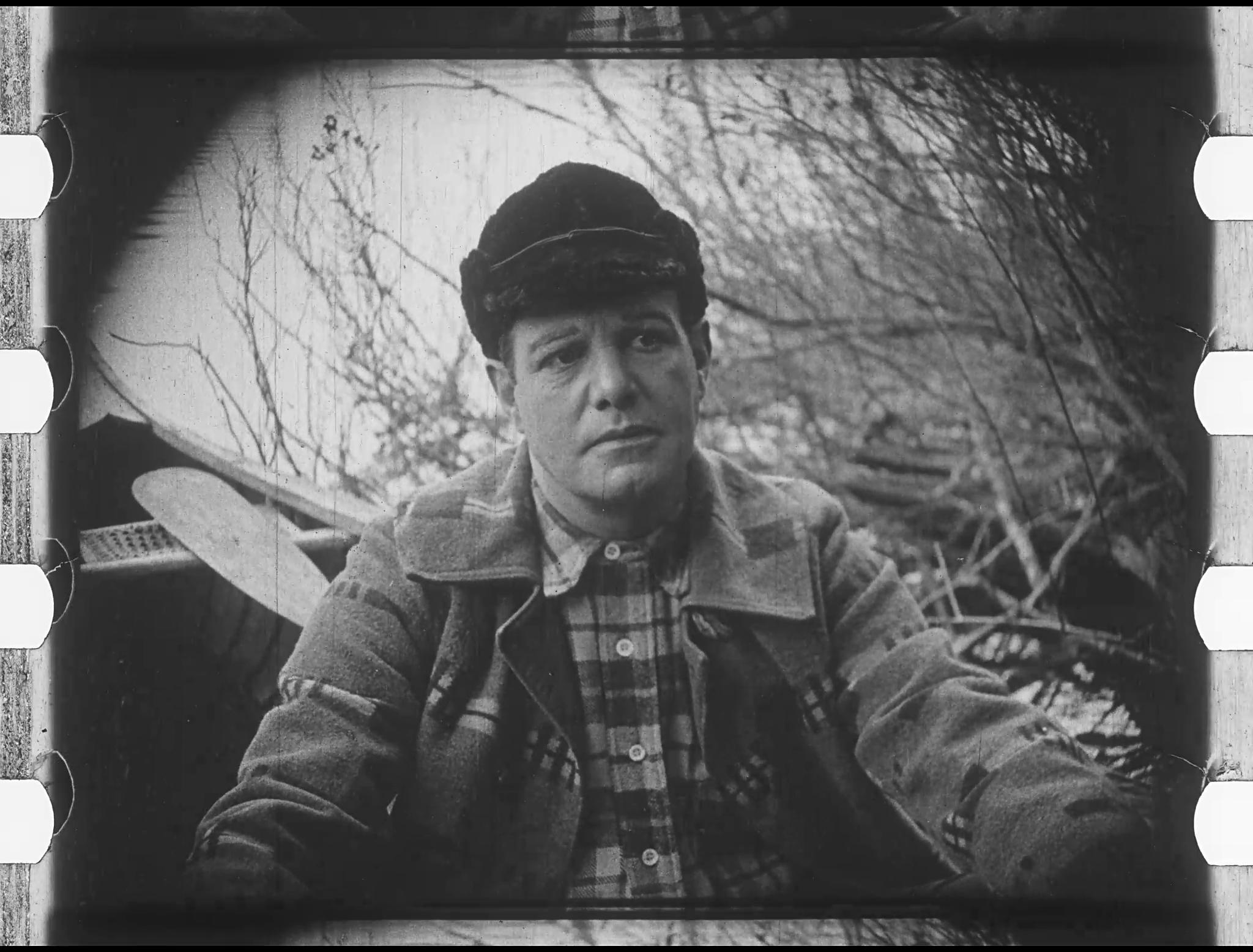
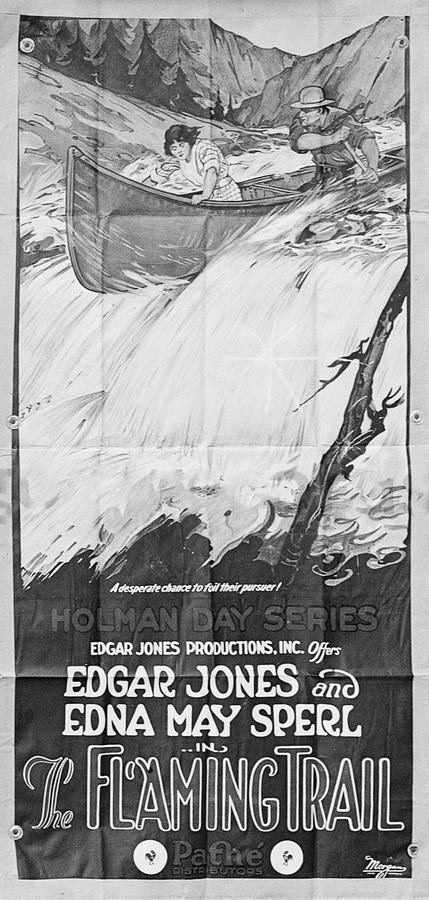
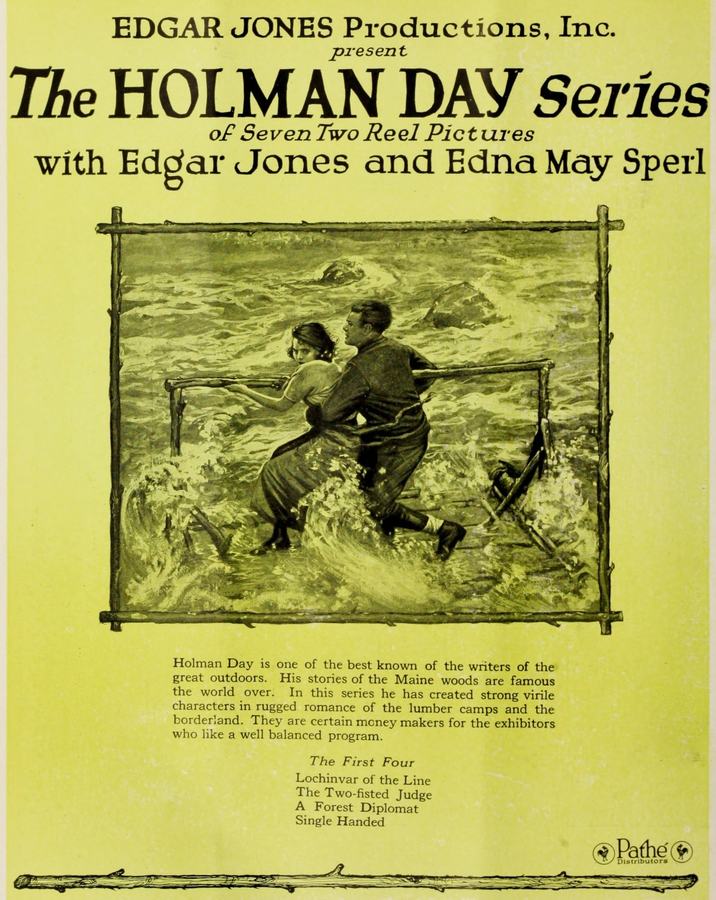
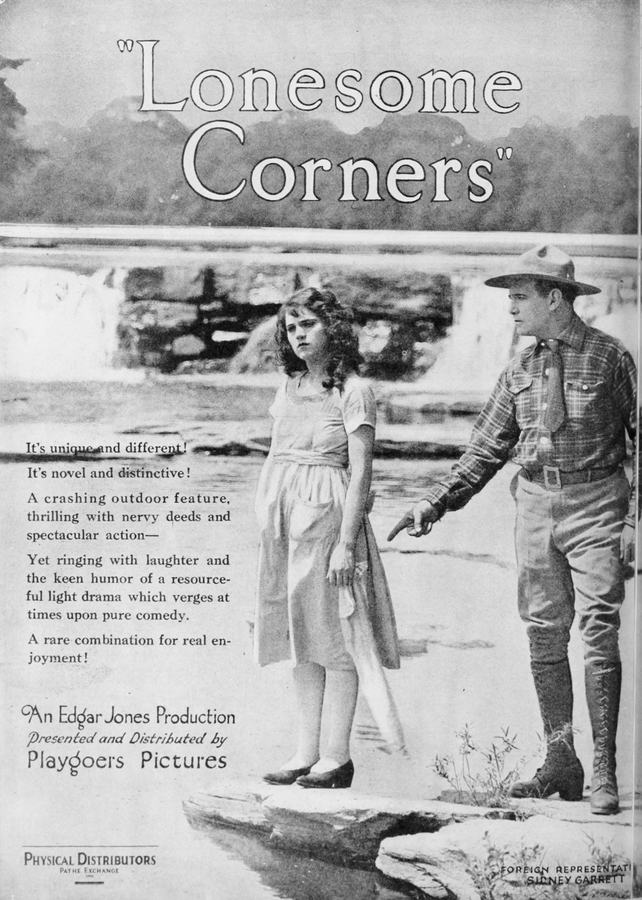
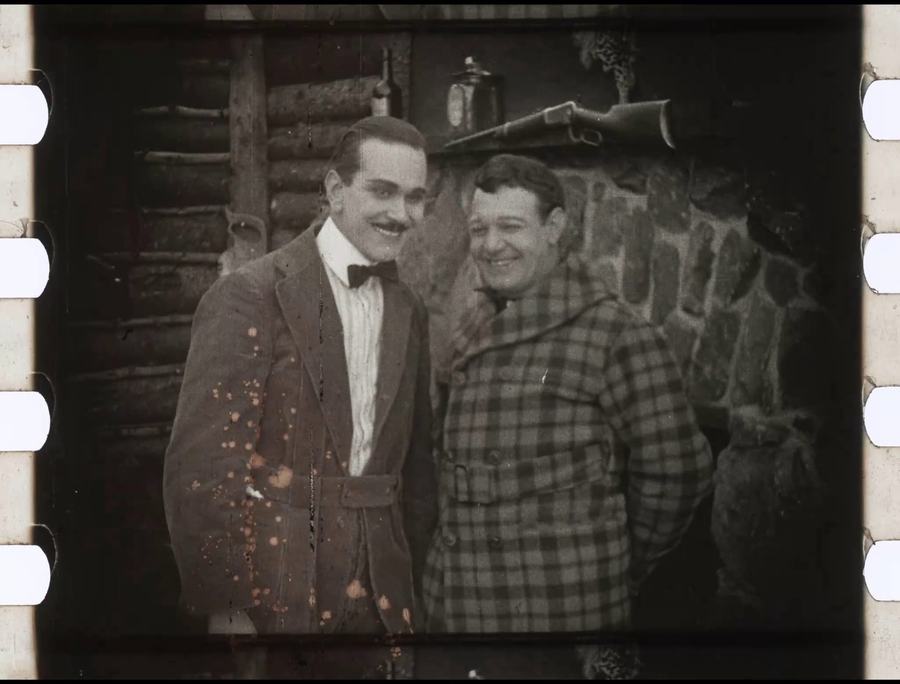
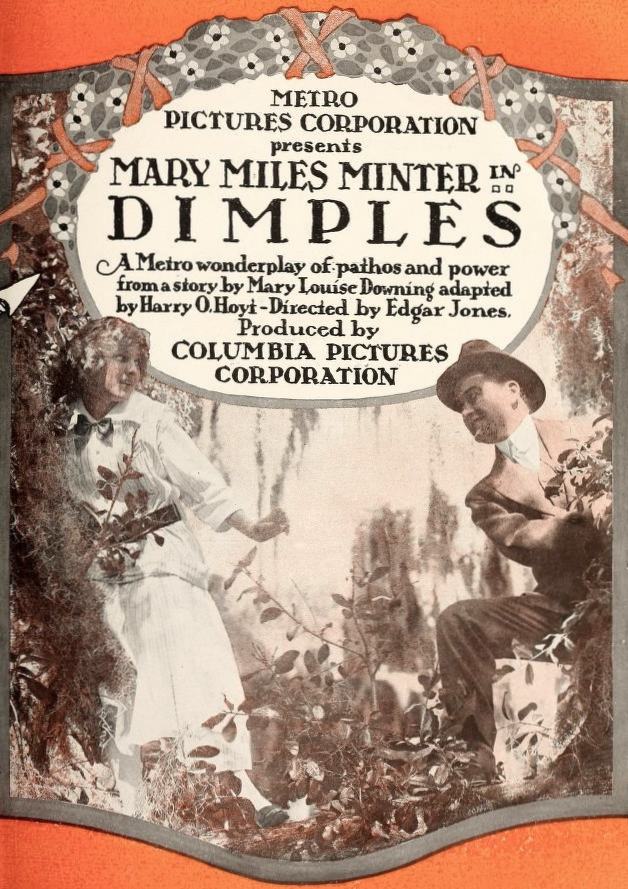
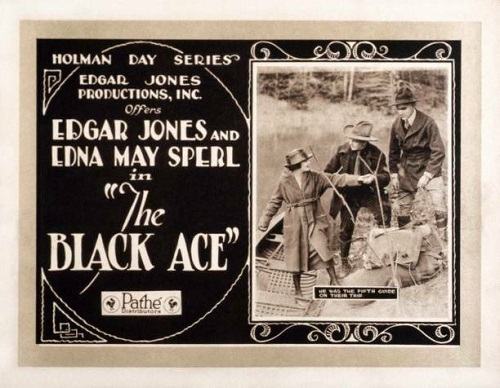
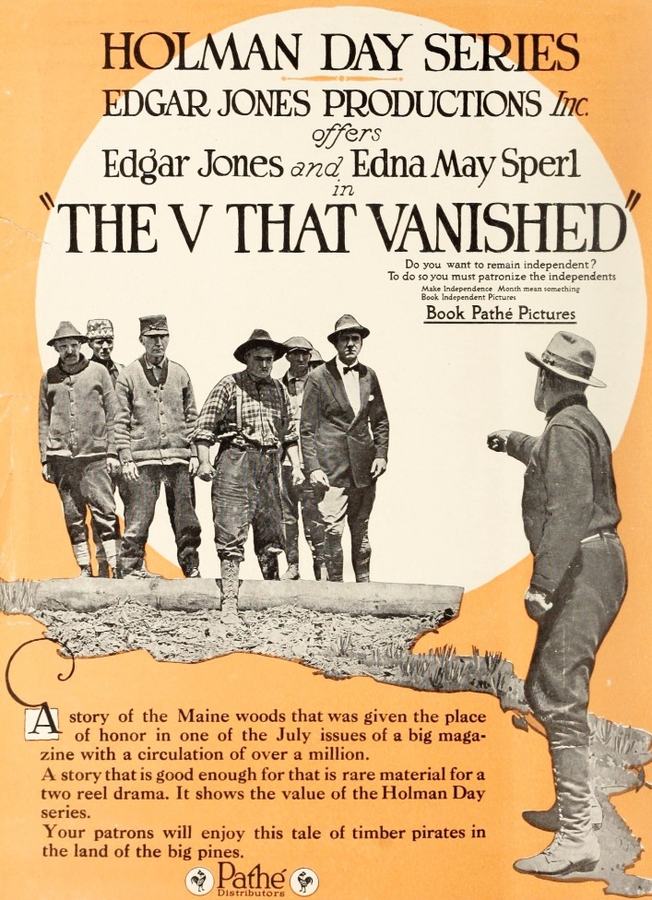
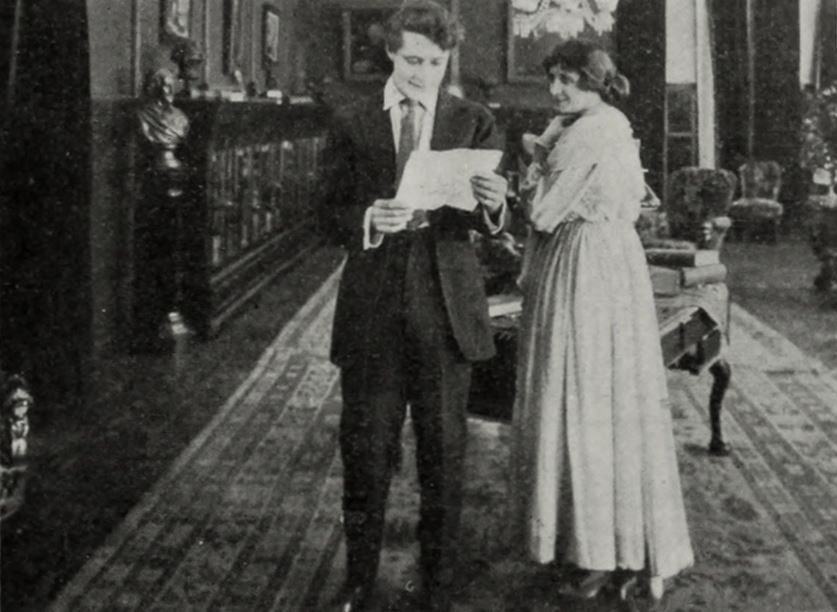
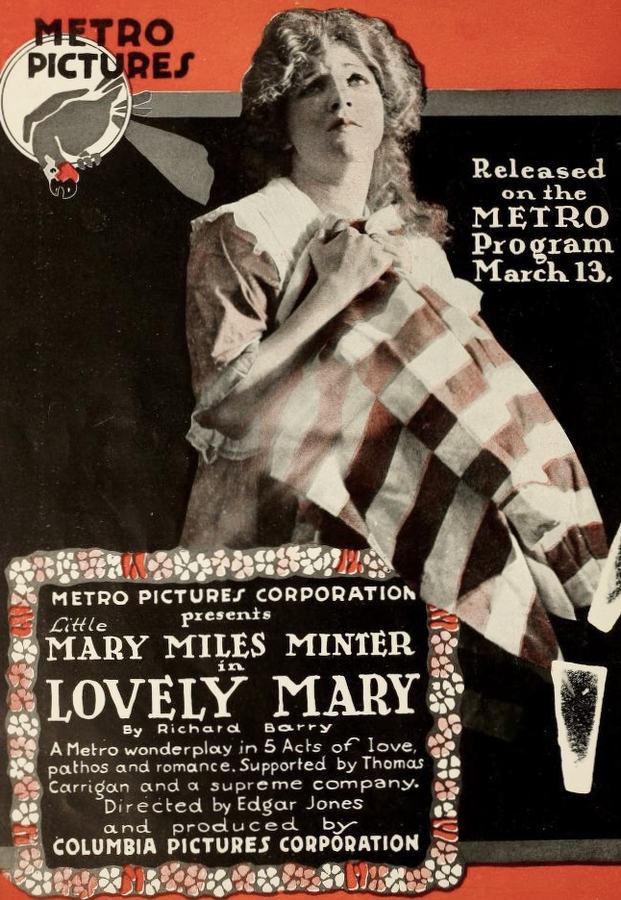
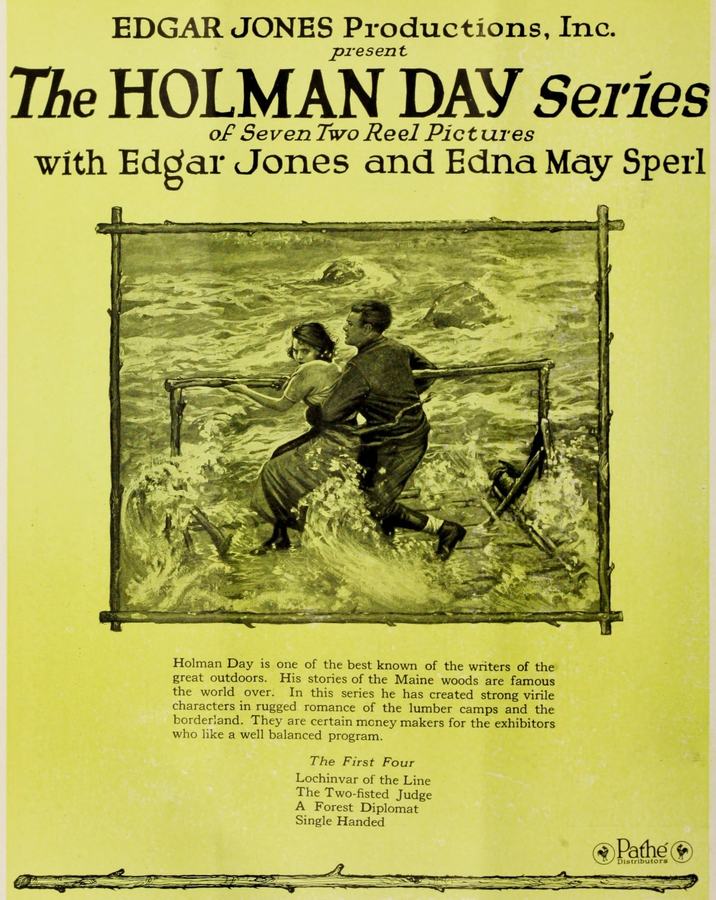
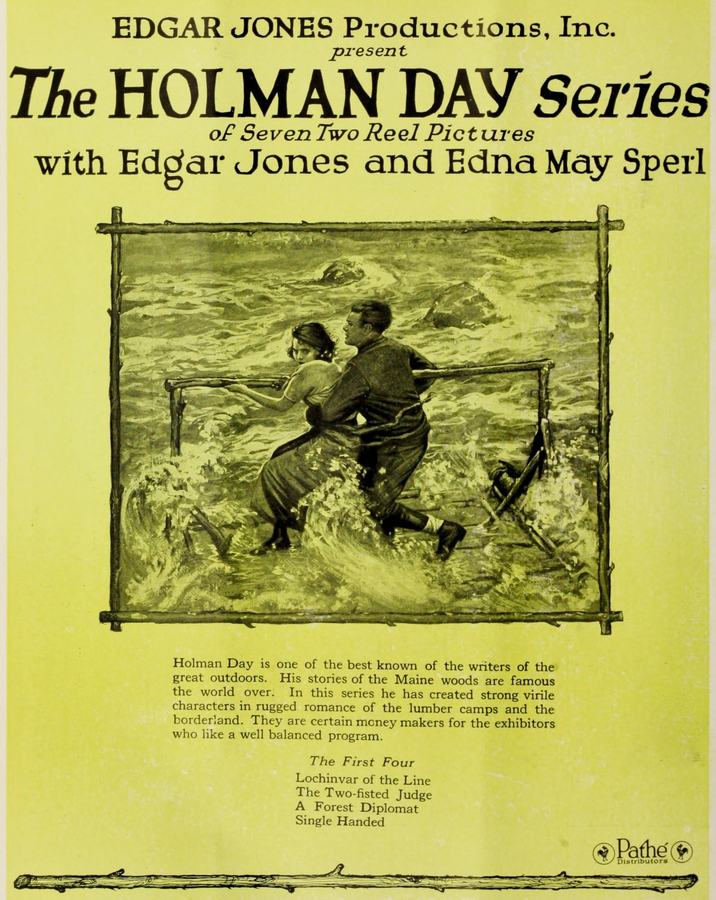
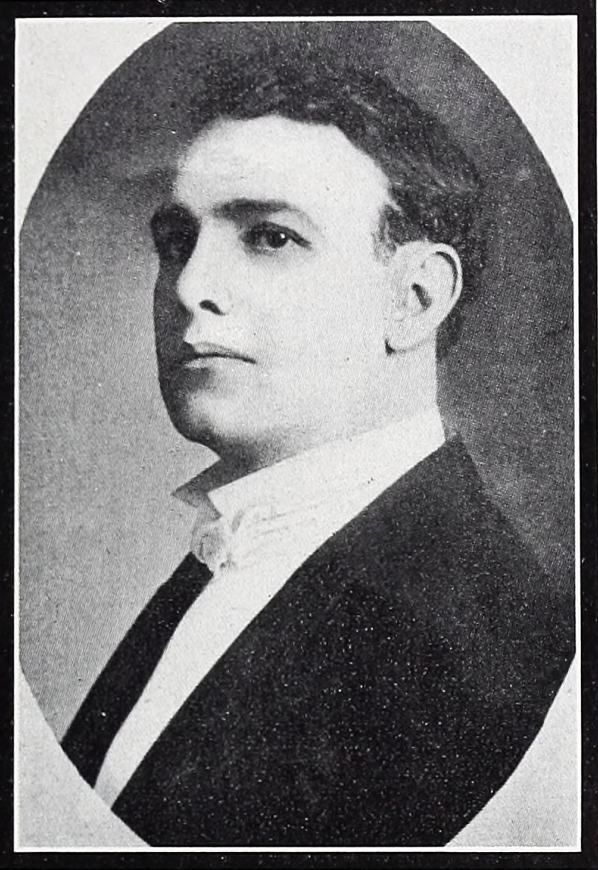
Edgar Jones transitioned from the footlights to the silver screen when Siegmund Lubin plucked him from the theater to join the Lubin Manufacturing Company. He quickly carved out a niche as a screen favorite in brief Westerns and dramatic shorts, frequently sharing the spotlight with leading ladies Louise Huff or Clara Williams. Jones wasn't content merely performing; he soon took the reins as a producer and director. Though his output between 1912 and 1915 was prolific, the passage of time has been unkind, leaving only about a dozen of his Lubin-era works in existence. Following the 1916 collapse of the Lubin empire, he spent several years as a journeyman actor and director in the industry. Ambition led Jones to Augusta, Maine, in 1919. Partnering with local entrepreneurs William B. Williamson and Blaine Viles, he established a production hub dedicated to "north woods" cinema. The rugged Maine landscape—its sprawling forests and icy rivers—served as a natural backdrop for these seasonal tales. Jones assembled a dedicated resident ensemble including Evelyn Brent, Carlton Brickert, and Ben Hendricks, Jr. The harsh climate took its toll when Brent contracted pneumonia during a winter shoot, leading to her departure and the arrival of Edna May Sperl. Of the two-reelers produced during this chapter, only four survive today. The company’s trajectory shifted when local author Holman Day began adapting his own wilderness stories for the screen. Just as the studio prepared to launch its first feature, The Rider of the King Log, internal politics intervened. In 1921, Day orchestrated a corporate takeover, rebranding Edgar Jones Productions as Holman Day Productions. The fallout was swift: Jones and his core cast, including Sperl, Brickert, and Hendricks, abandoned Augusta. Nevertheless, Jones earned a producing credit on the finished film, which holds the distinction of being the first feature-length production filmed entirely in Maine. Jones’ cinematic swan song came in 1922 with Lonesome Corners. Filmed on Maine soil for Playgoers Pictures, the project was a true solo effort—written, produced, directed by, and starring Jones alongside Edna May Sperl. It marked his final contribution to the medium. Reverting to his theatrical roots, Jones spent his remaining years traveling the nation at the helm of his own touring stage company.
Filmography
Directed (21)