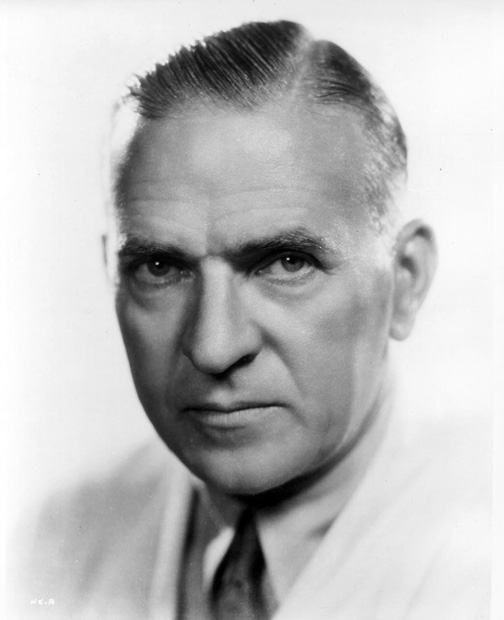
Henry King
actor, director, producer
- Birth name:
- Henry Edmonson King
- Born:
- 1886-01-24, Christiansburg, Virginia, USA
- Died:
- 1982-06-29, Toluca Lake, California, USA
- Professions:
- actor, director, producer
Biography
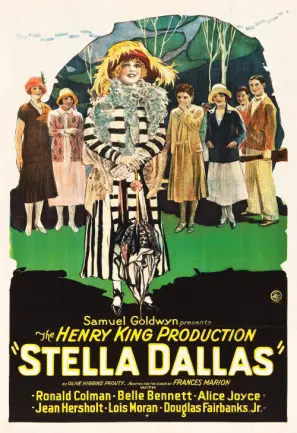
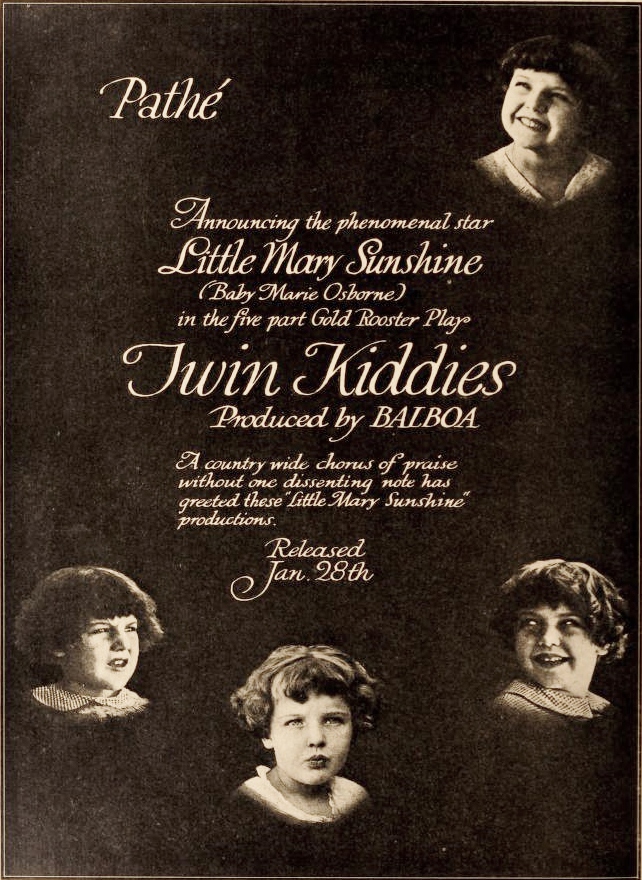
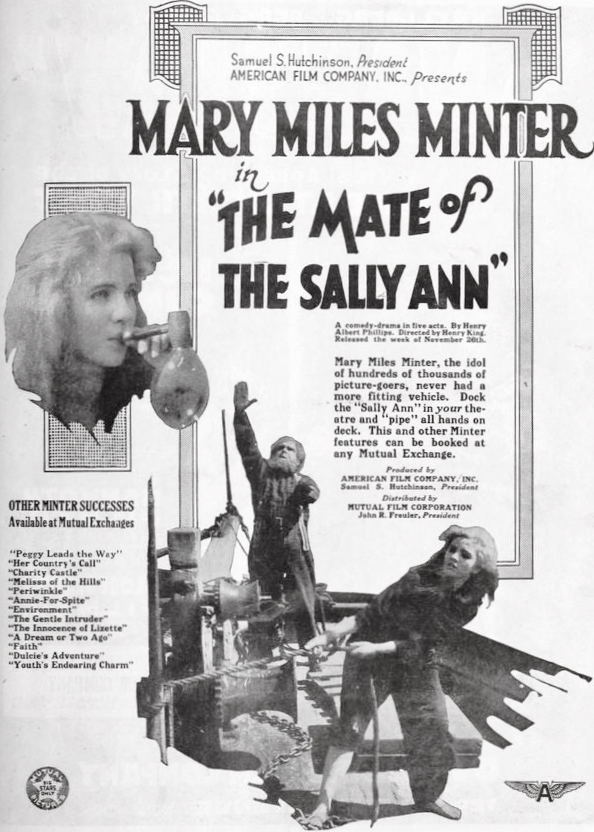
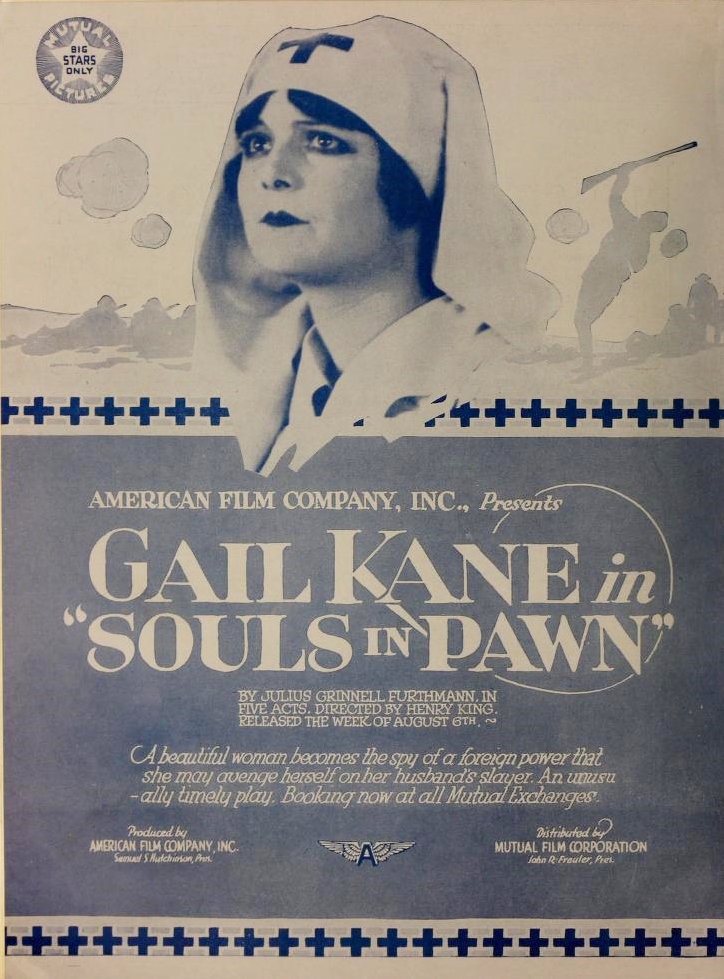
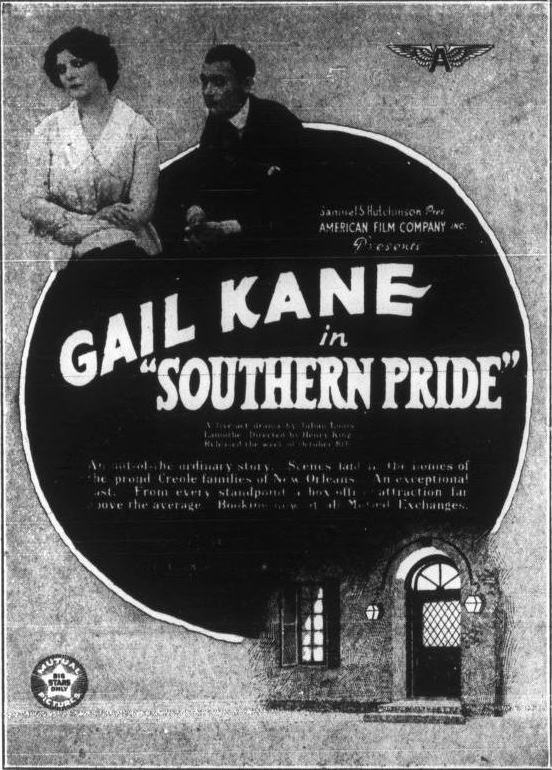
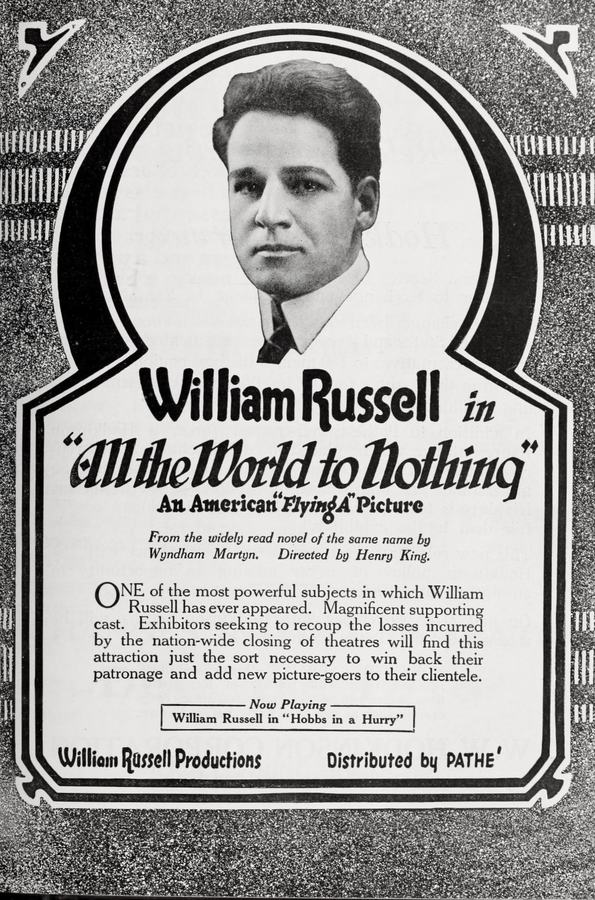
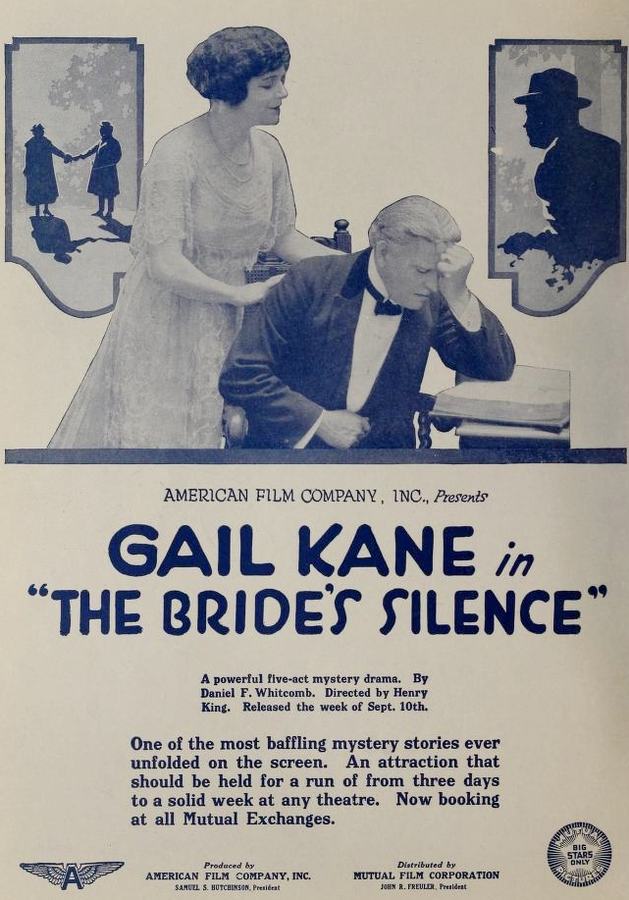
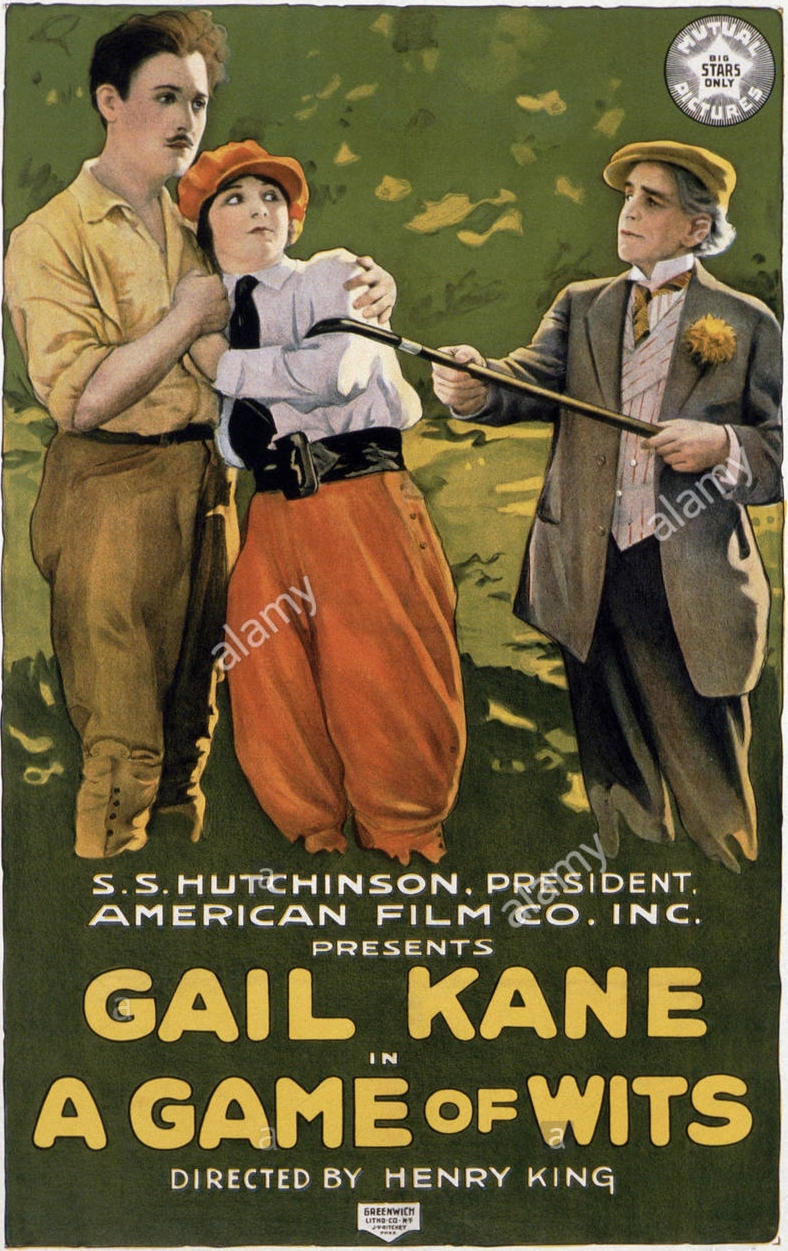
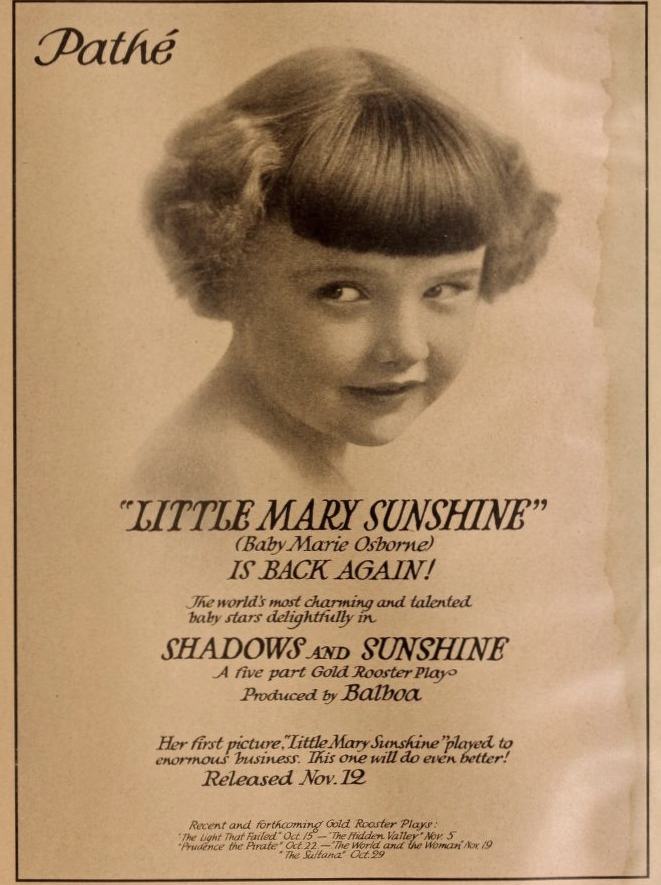
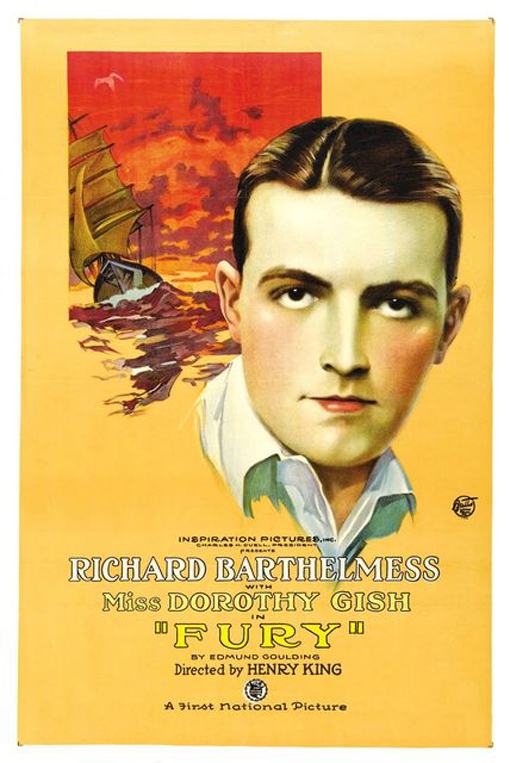
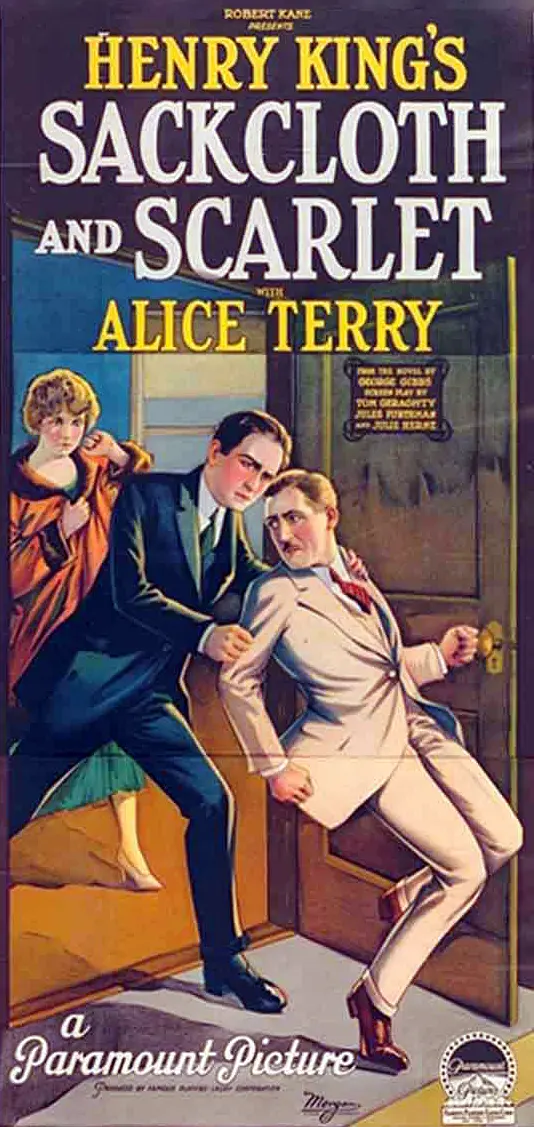
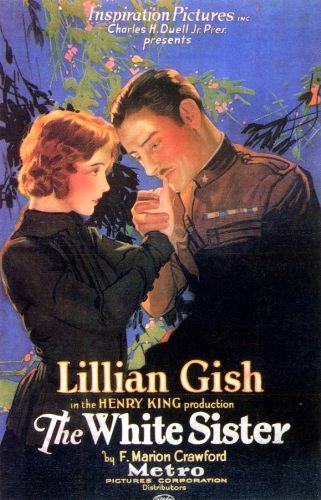
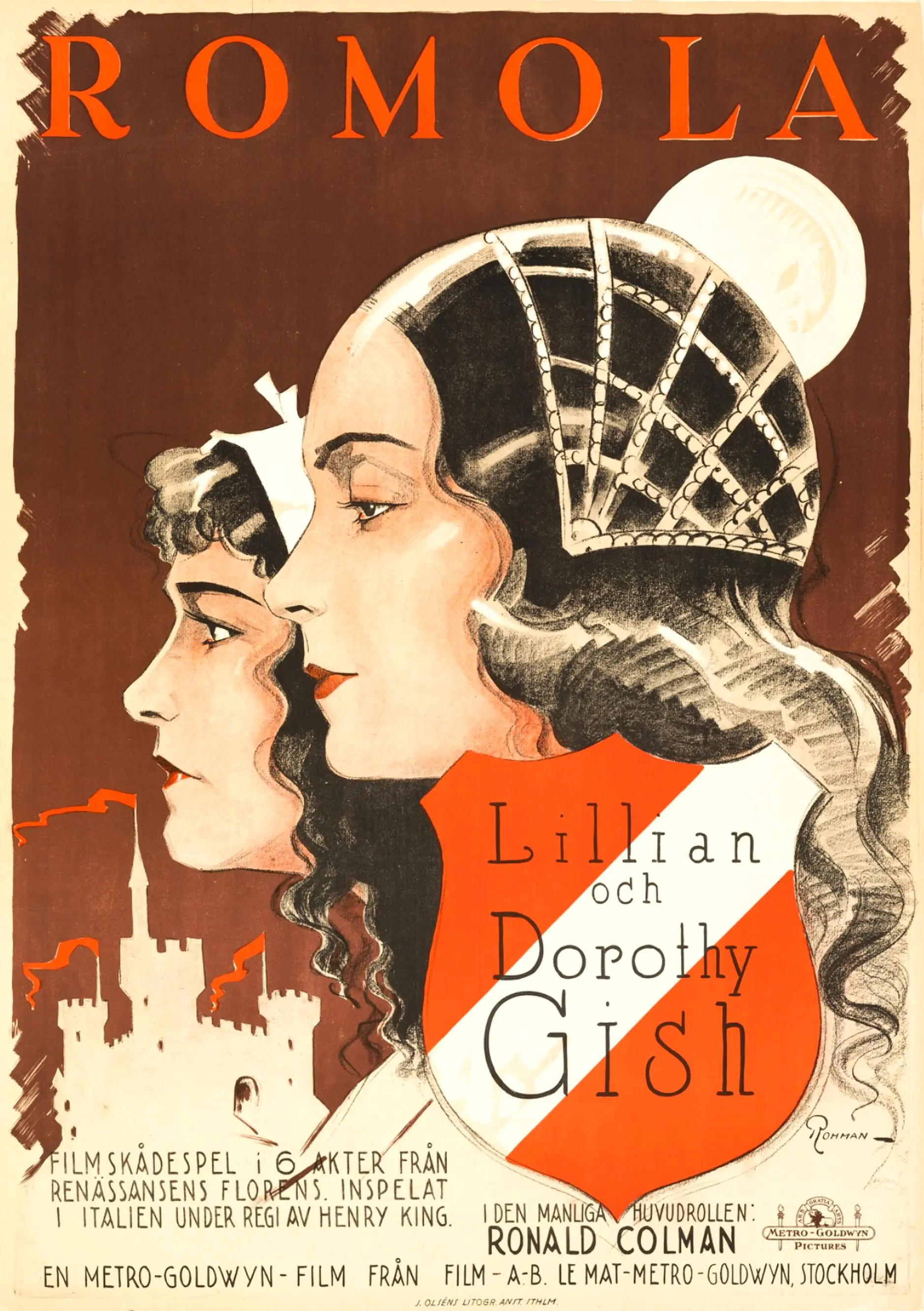
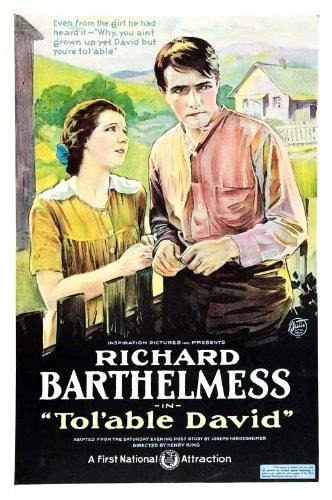
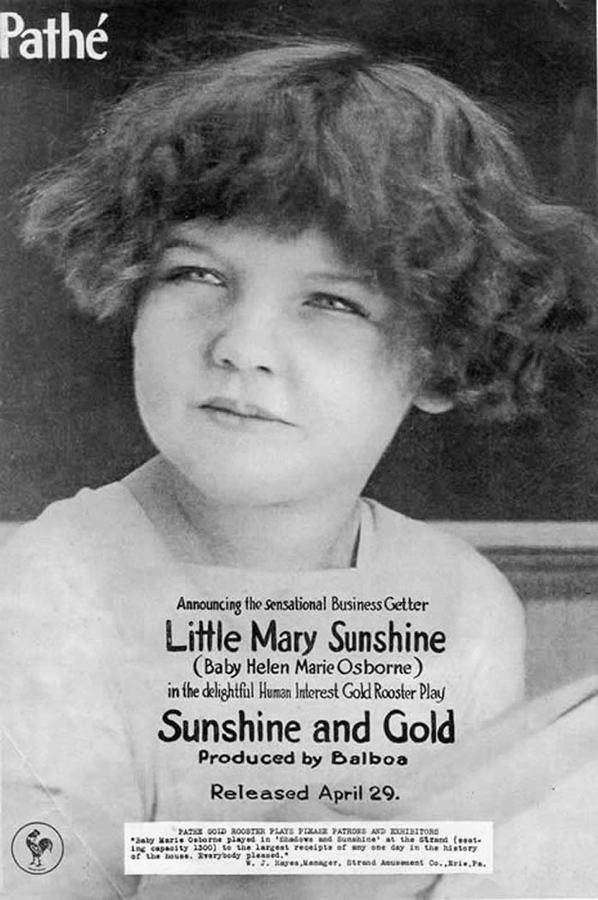
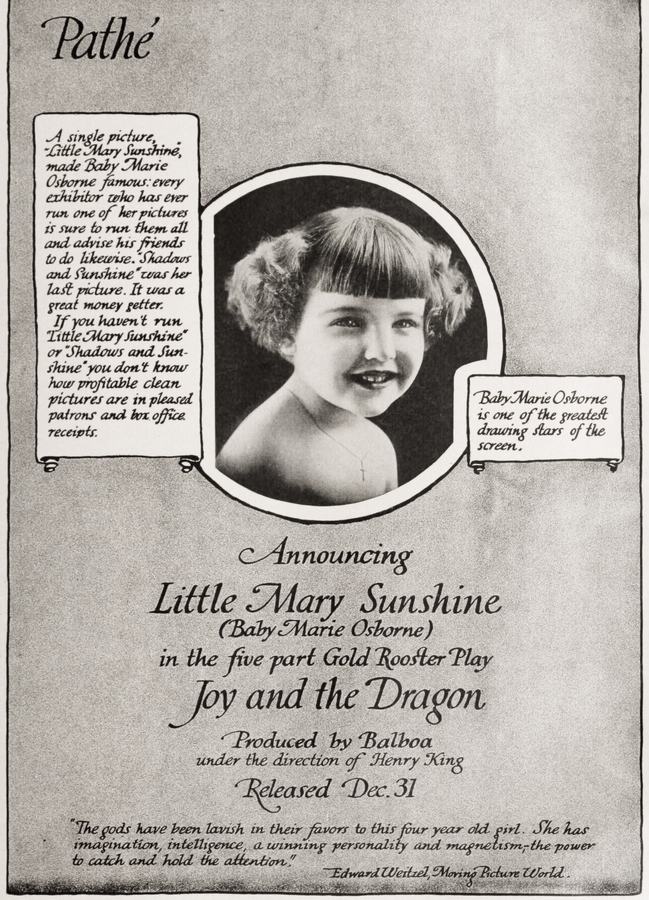
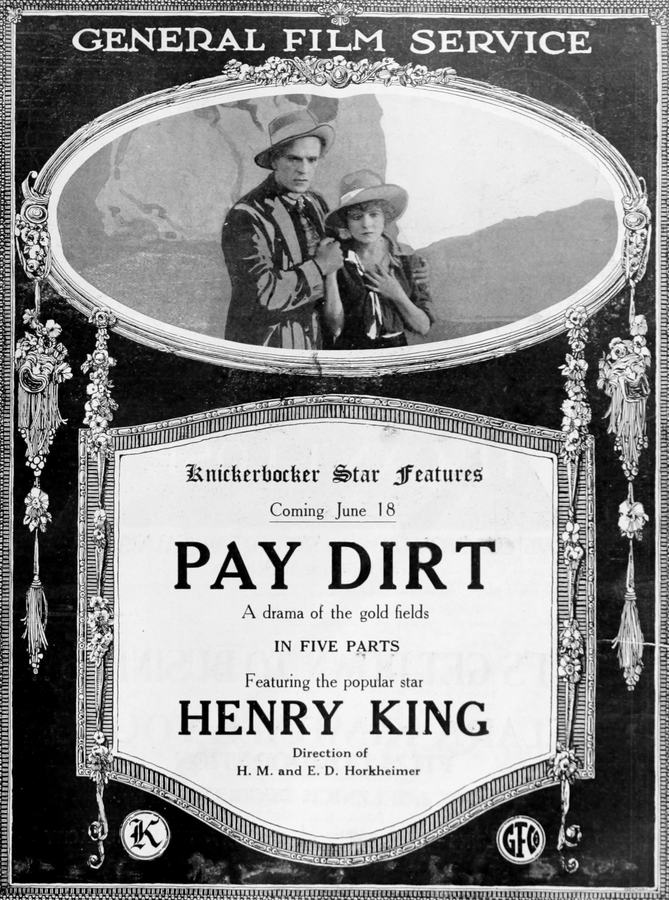
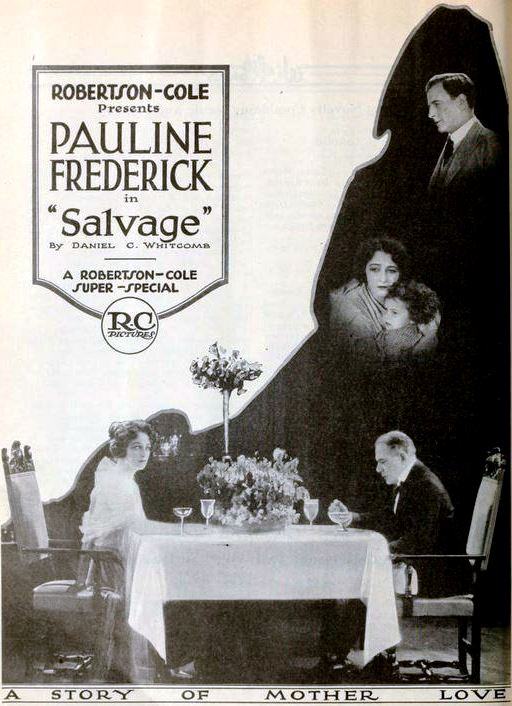
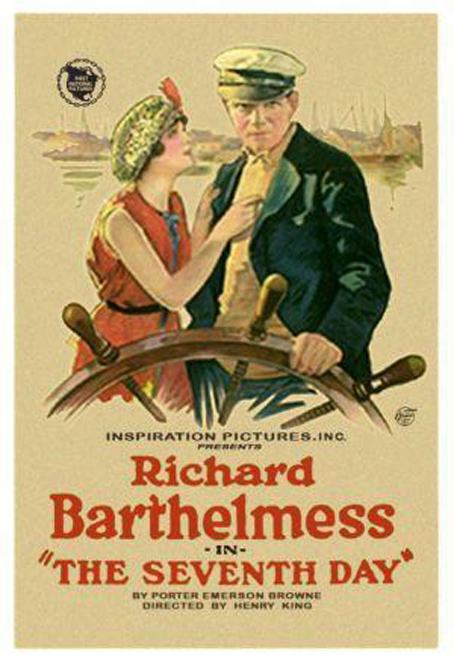
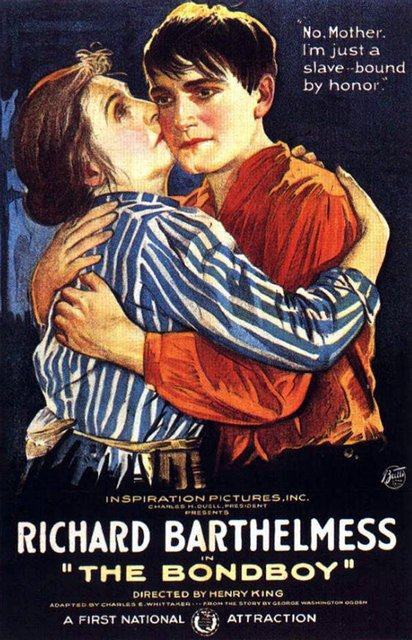
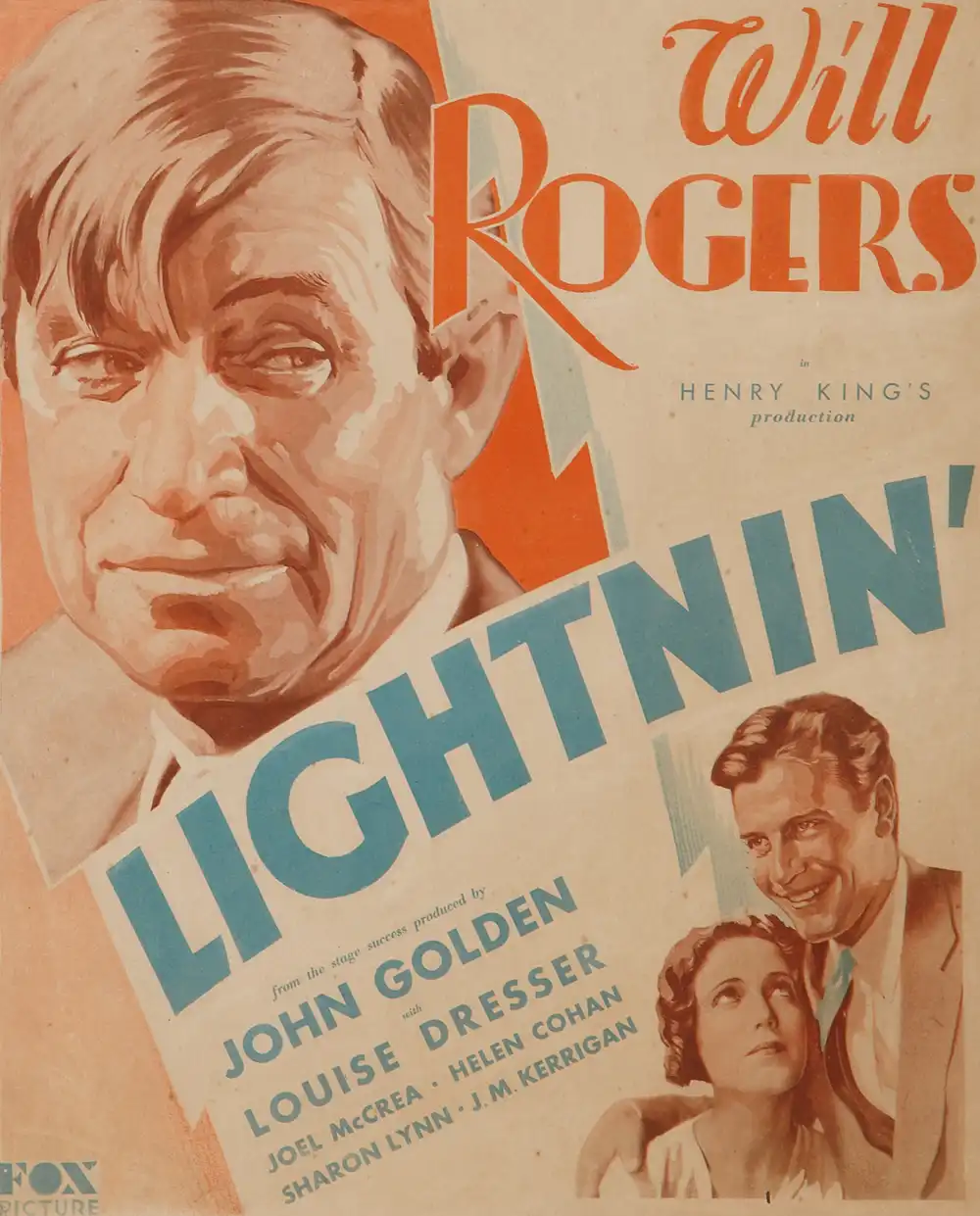
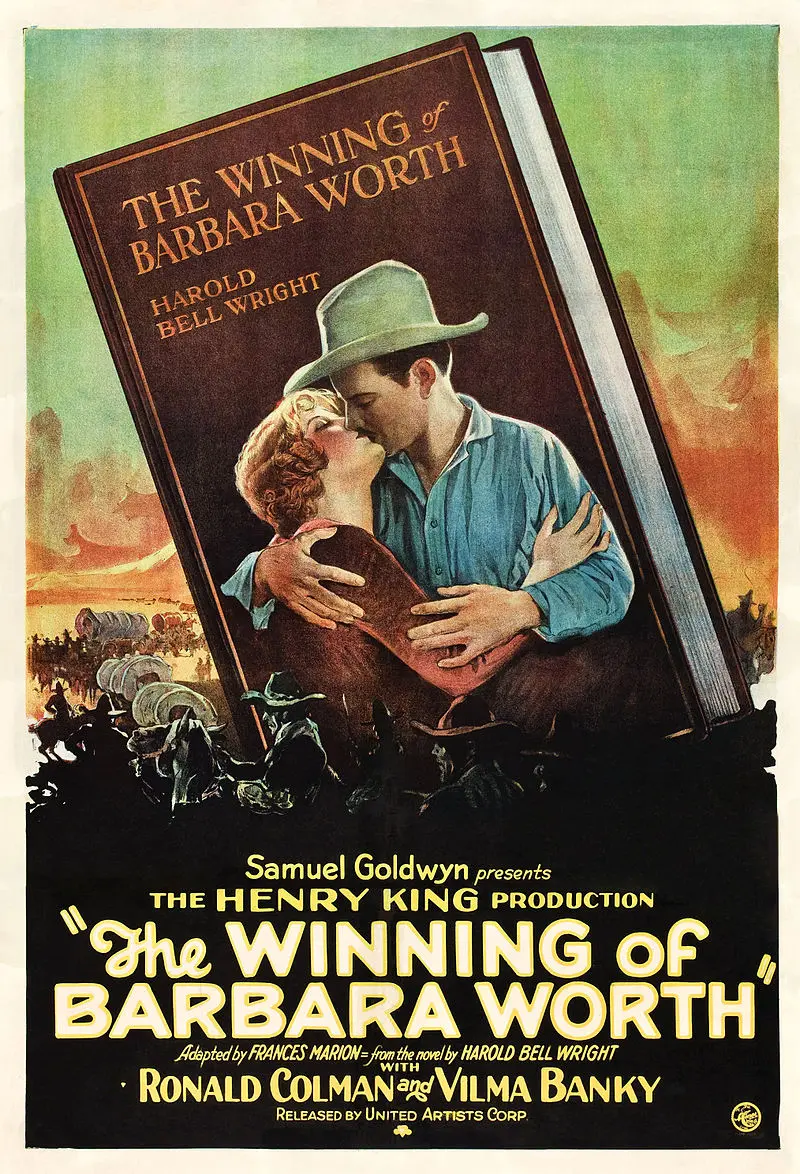
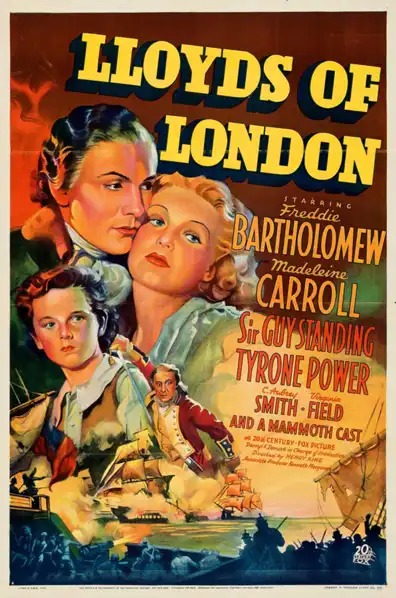
Spanning the zenith of Hollywood's Golden Age, Henry King served as the formidable backbone of 20th Century-Fox from 1930 to 1961. Known for his tireless work ethic and remarkable versatility, King avoided flashy technical gimmicks in favor of a clean, vivid visual style and a laser focus on narrative substance. He was a master of the literary adaptation—bringing "A Bell for Adano" (1945) and "The Sun Also Rises" (1957) to life—and a poet of small-town nostalgia, as seen in "Margie" (1946). King’s greatest gift, however, may have been his instinct for stardom. He famously transformed Ronald Colman’s image for "The White Sister" (1923) by sketching a mustache on the actor’s lip with a retouching pencil, and he championed Gary Cooper for "The Winning of Barbara Worth" (1926) despite producer Samuel Goldwyn’s skepticism of the "damn cowboy." His persistence also launched Tyrone Power in "Lloyd's of London" (1936) and introduced Jean Peters in "Captain from Castile" (1947). This storied career began far from the limelight. After leaving school at 15 to toil in the machine shops of the Norfolk & Western Railroad, King transitioned to the stage as a song-and-dance apprentice with the Empire Stock Company. A chance visit to Philadelphia’s Lubin studio in 1913 with actress Pearl White led to his first screen roles as a western antagonist. By 1914, he was a leading man for the Balboa Amusement Company, often appearing alongside Marie Osborne. His directorial debut arrived in 1915, gaining speed through stints with American Film Manufacturing and Thomas H. Ince. Following the success of "23 1/2 Hours' Leave" (1919), King formed Inspiration Pictures in 1921, earning acclaim for the rural drama "Tol'able David." His subsequent tenure with Goldwyn at United Artists (1925-30) produced a string of international hits like "Romola" (1924) and the heart-wrenching "Stella Dallas" (1925). In 1930, King took to the skies, earning a pilot's license and the nickname "The Flying Director" for his aerial location scouting. Whether in the cockpit or on the golf course, he remained a box-office powerhouse across every imaginable genre. He helmed swashbucklers like "The Black Swan" (1942), spiritual dramas like "The Song of Bernadette" (1943), and the $1.8 million spectacle "In Old Chicago" (1938). His later years were defined by a fruitful partnership with Gregory Peck, resulting in the war drama "Twelve O'Clock High" (1949), the gritty western "The Gunfighter" (1950), and "The Snows of Kilimanjaro" (1952)—a film Ernest Hemingway considered his best adaptation. While projects like the pacifist biopic "Wilson" (1944) and the miscast "Beloved Infidel" (1959) faltered, King’s legacy remained secure. Though the Academy Award for Best Director eluded him despite two nominations, he received the Directors Guild of America's Lifetime Achievement Award in 1956. As he reflected in 1978, his long career was fueled by a simple passion: "I've had more fun directing pictures than most people have playing games."
Filmography
Directed (68)