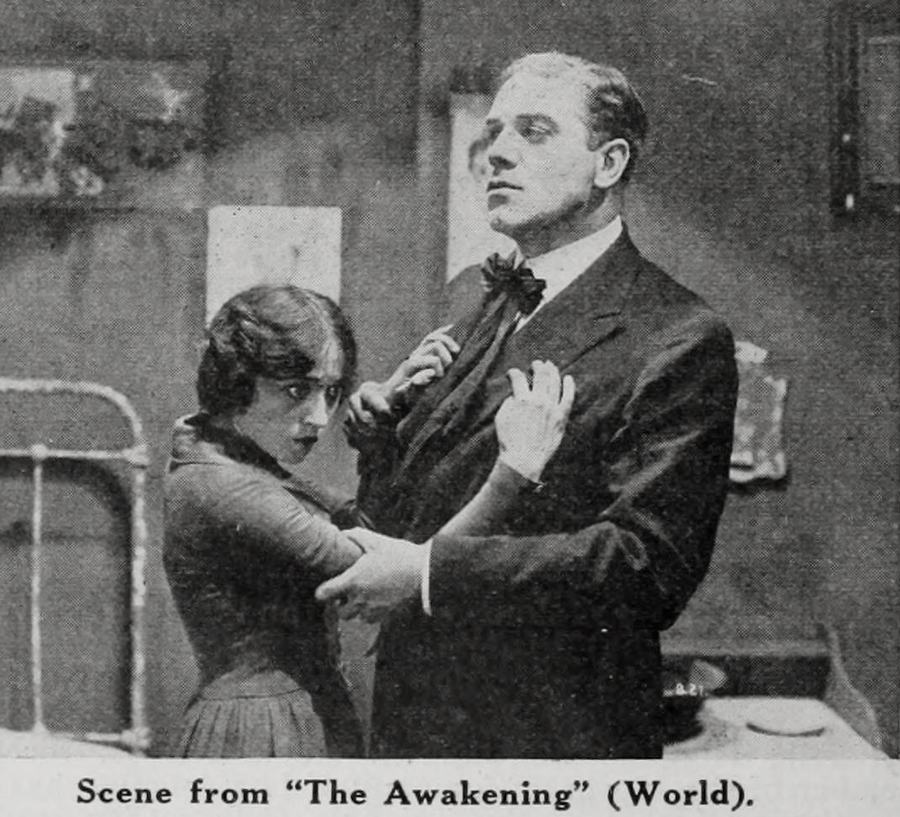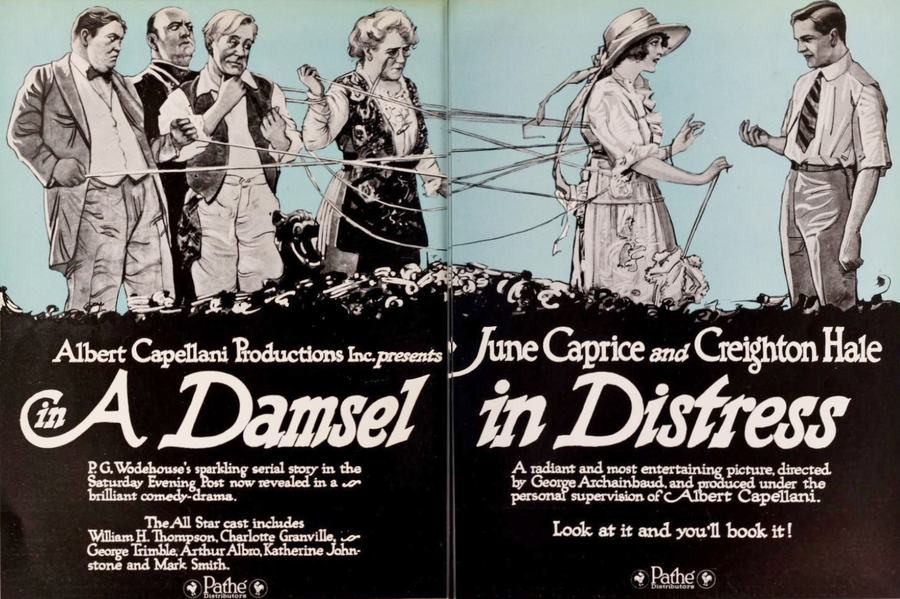
Maud March, the rebellious daughter of a a millionaire, goes to New York to see her sweetheart Geoffrey who left town years ago. Her aunt Carolyn wants Maud to marry her son Reggie and sends the girl's brother Percy after her to act as chaperon.
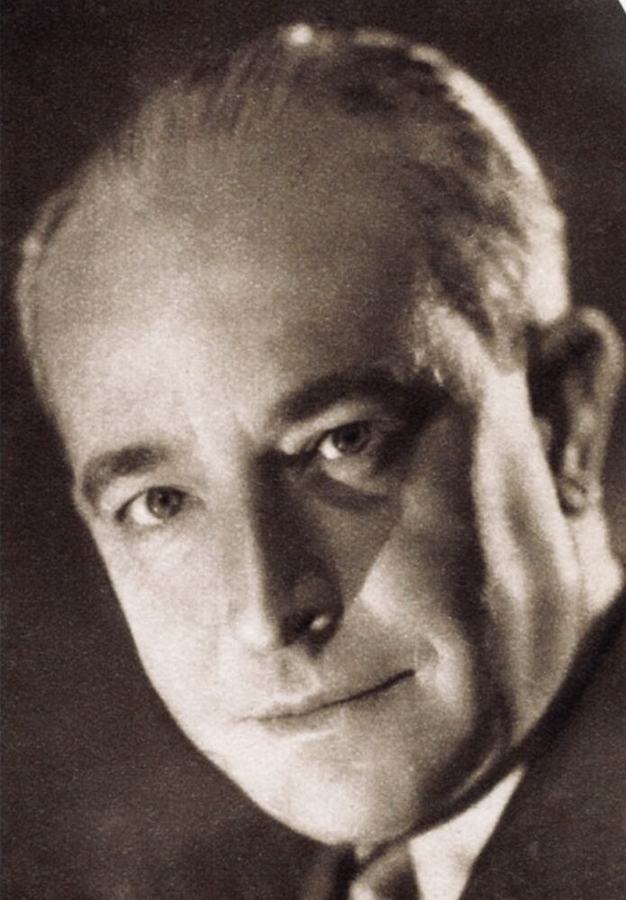
P.G. Wodehouse
United States
The Architectural Wit of P.G. Wodehouse in Silent CinemaThe year 1919 stood as a temporal bridge between the raw experimentation of early cinema and the sophisticated visual storytelling that would define the roaring twenties. Amidst this transition, the adaptation of A Damsel in Distress emerged as a fascinating speci...
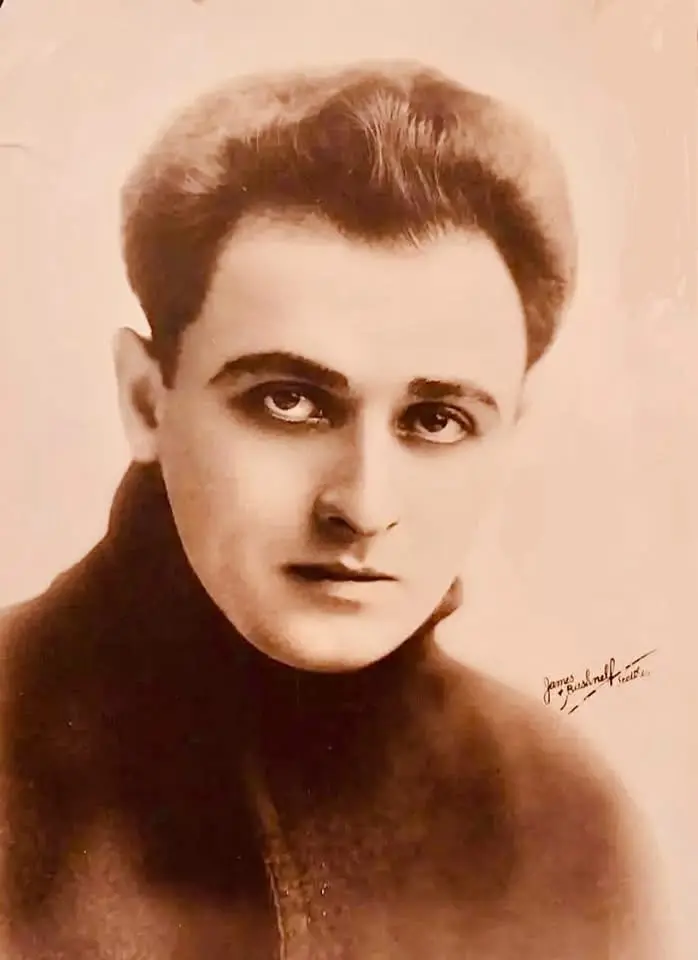
publicity
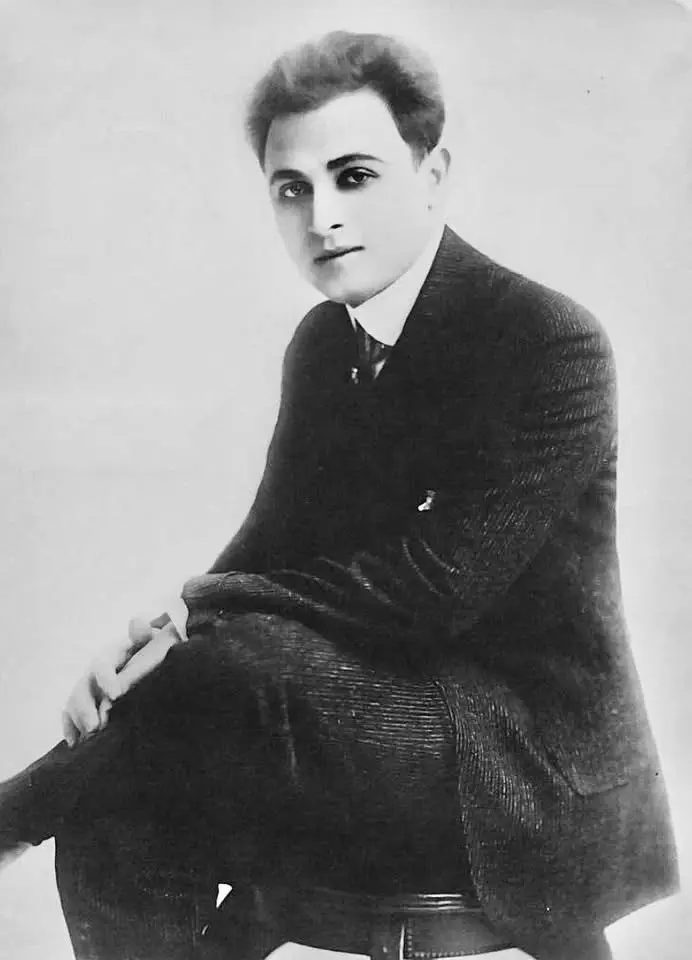
publicity
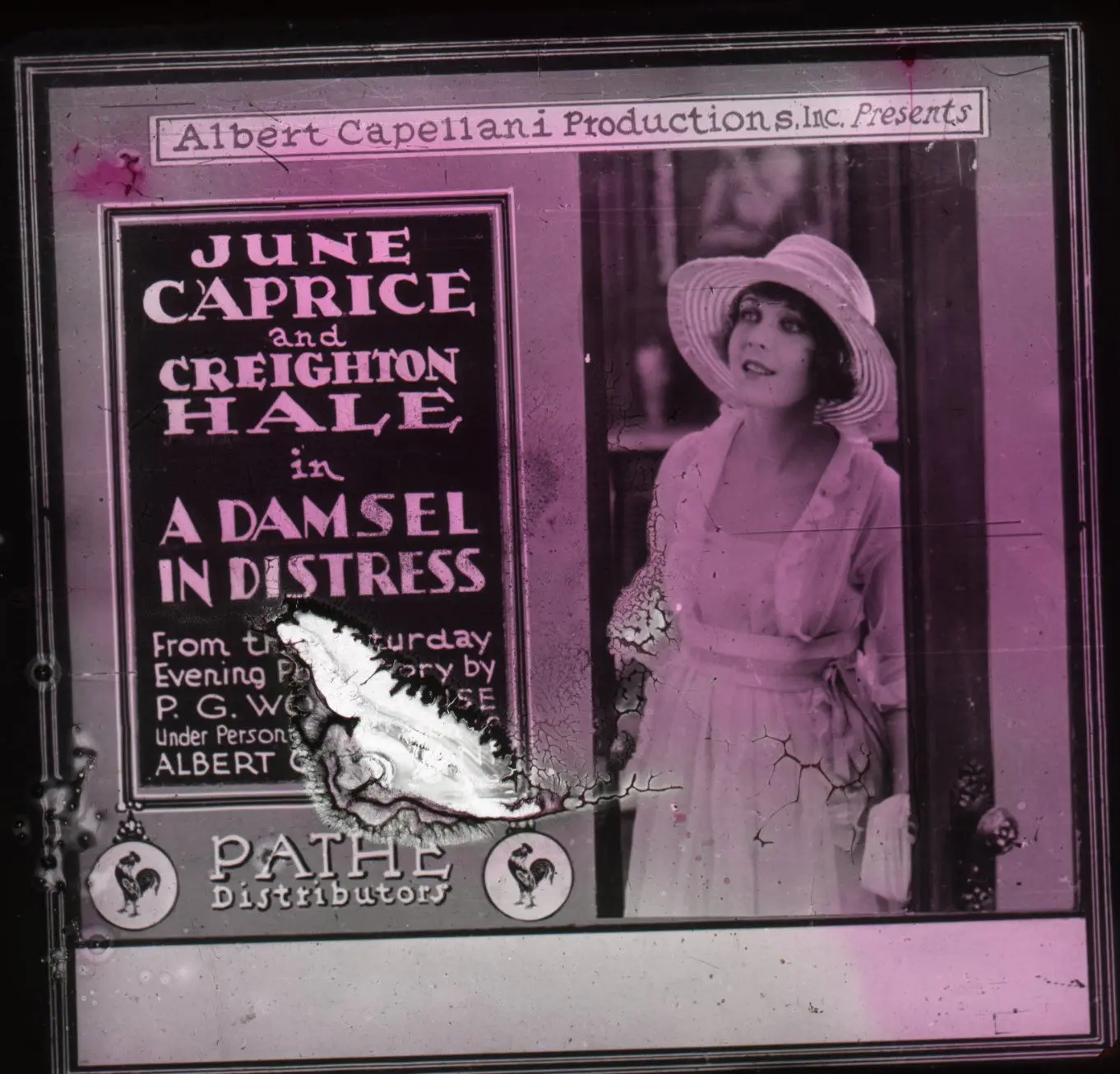
product
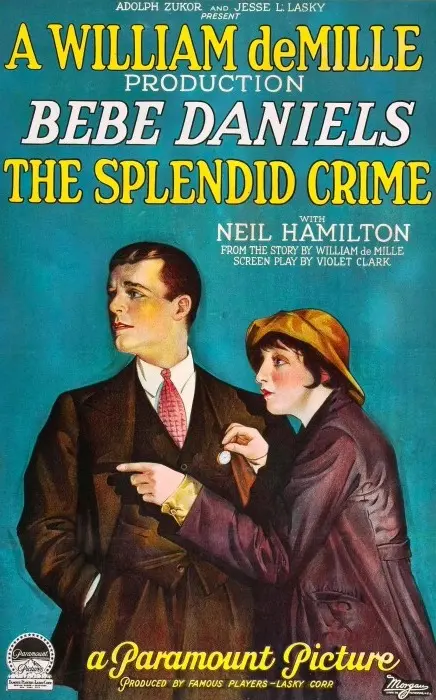

Comparing the cinematic DNA and archive impact of two defining moments in cult history.
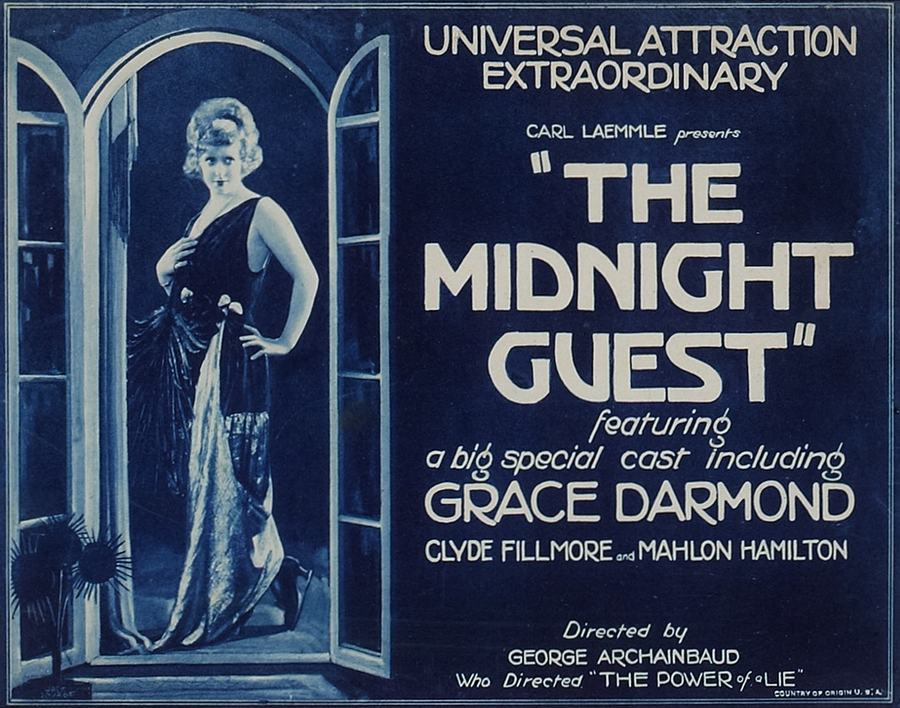
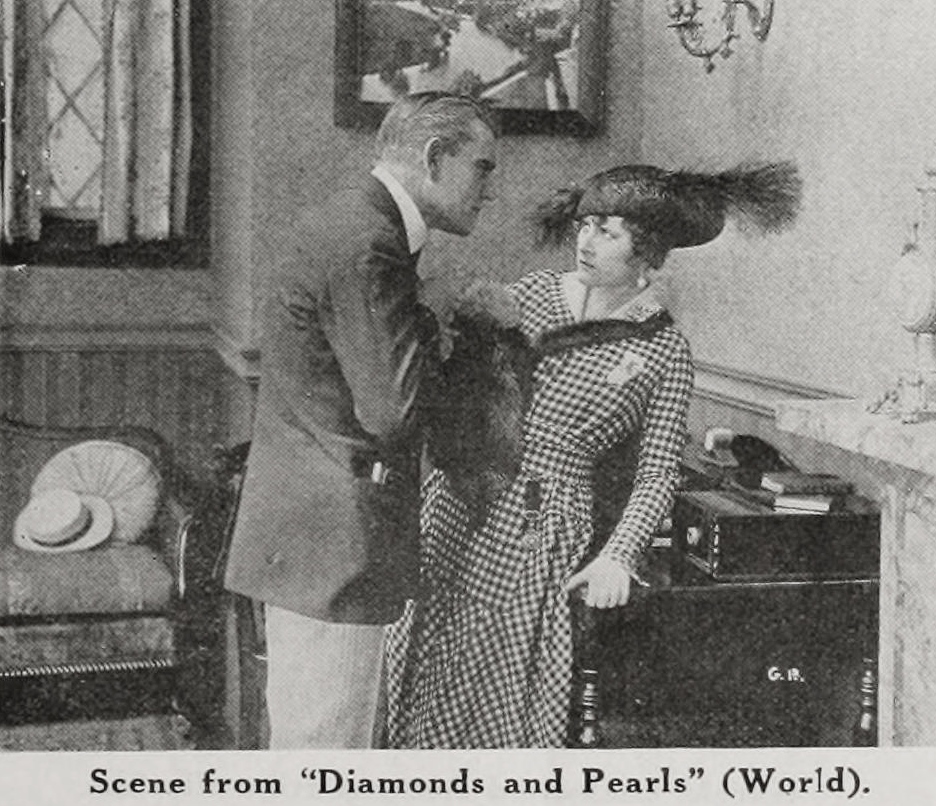
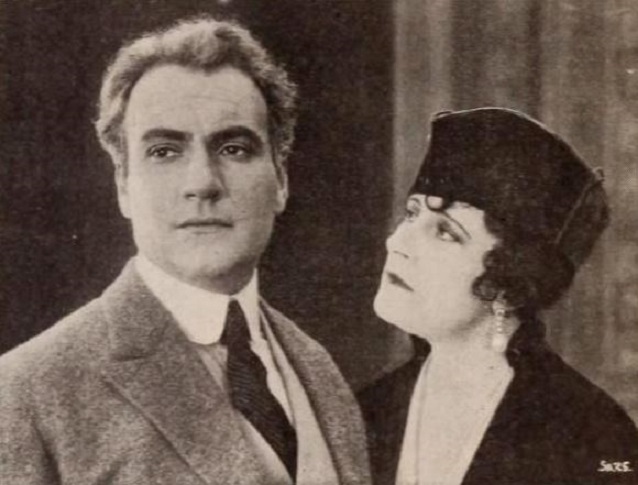
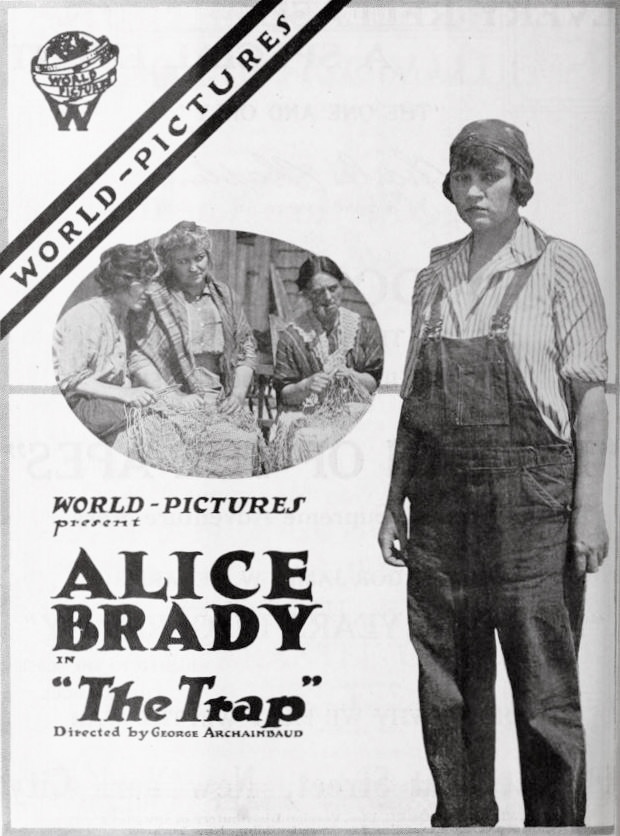
George Archainbaud
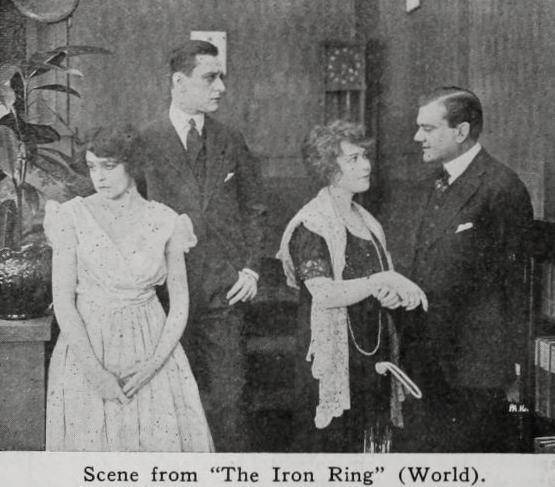
George Archainbaud
Community
Log in to comment.
"The Architectural Wit of P.G. Wodehouse in Silent CinemaThe year 1919 stood as a temporal bridge between the raw experimentation of early cinema and the sophisticated visual storytelling that would define the roaring twenties. Amidst this transition, the adaptation of A Damsel in Distress emerged as a fascinating specimen of how literary levity could be translated into the wordless medium of silent film. While modern audiences might associate the title with the 1937 Fred Astaire musical, this ea..."
Deep dive into the cult classic
Discover similar cinematic experiences
A Directorial Spotlight on George Archainbaud