DbcultAccessing Vault...
6.2/10
Senior Film Conservator
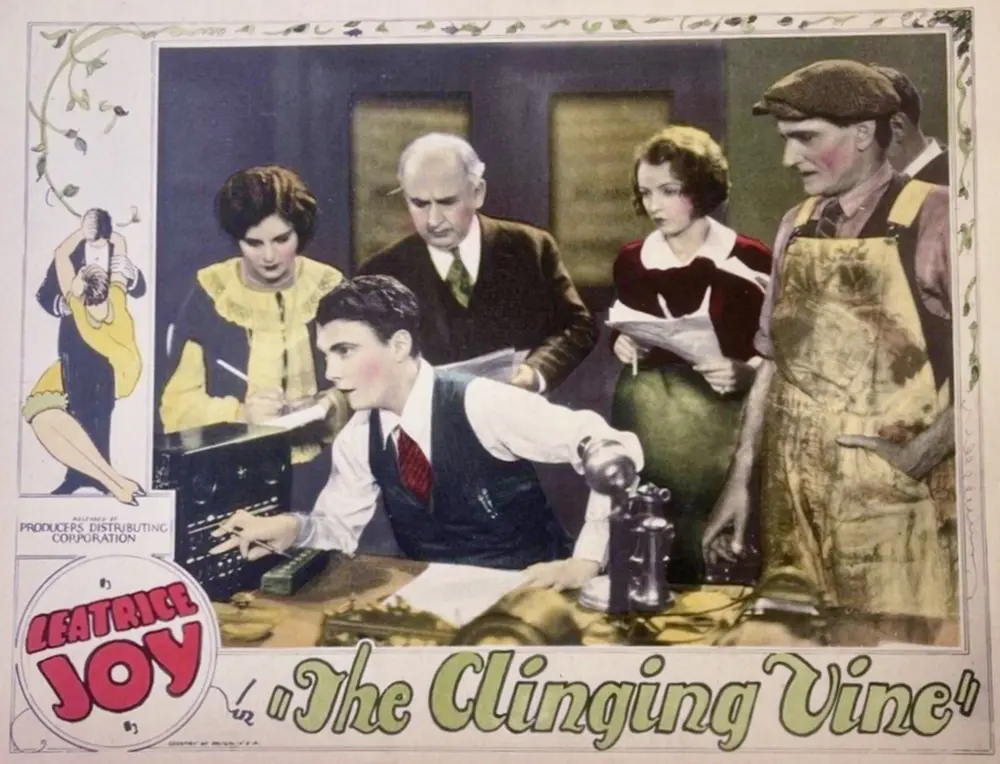
A definitive 6.2/10 rating for a film that redefined the boundaries of cult cinema. The Clinging Vine remains a cornerstone of transgressive art.
Is The Clinging Vine worth your time in the modern era? Short answer: yes, but primarily as a fascinating, occasionally frustrating artifact of 1920s gender politics that still feels uncomfortably relevant today. It is a film for those who appreciate the evolution of the 'career woman' archetype and those who can find humor in the absurdity of historical social norms. It is definitely not for viewers who demand a clean, progressive resolution to the conflict between professional competence and romantic desirability.
This film works because Leatrice Joy delivers a physical performance that manages to critique the very tropes she is forced to embody. This film fails because the script’s ultimate 'victory' relies on the erasure of a woman’s competence to satisfy a man’s fragile ego. You should watch it if you enjoyed similar silent-era social satires like Her Night of Romance or if you want to see a masterclass in silent comedic timing from a woman who was often unfairly pigeonholed by the studio system.
Yes, The Clinging Vine is worth watching for anyone interested in the history of the romantic comedy. It serves as a proto-template for the 'makeover' movies that would dominate the genre for the next century. While the central conceit—that a woman must play dumb to be loved—is dated, the film’s execution is surprisingly sharp. It offers a rare look at a woman who is explicitly better at business than the men around her, even if she has to hide it. If you can stomach the 1926 perspective on domesticity, the comedic payoffs are genuine.
The film opens with a sequence that establishes A.B. as the literal engine of the Bancroft paint business. She is efficient, stern, and entirely indispensable. In a world where films like Indiscreet Corinne focused on the flighty whims of socialites, A.B. stands out as a woman defined by her labor. However, the film quickly pivots to the era's greatest anxiety: that professional success makes a woman 'unwomanly.'
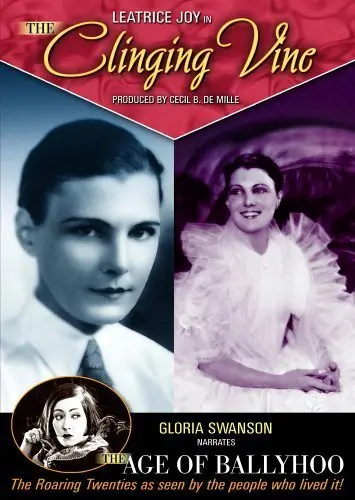
The moment A.B. overhears Jimmy’s comments, the film shifts from a business procedural into a psychological comedy. The pain on Leatrice Joy’s face in this scene is palpable. It isn't just about a bruised ego; it’s about the realization that her value as a human is being weighed against her ability to perform a specific type of decorative femininity. This is where the film finds its heart. It isn't just a silly comedy; it’s a survival guide for a woman in a man’s world.
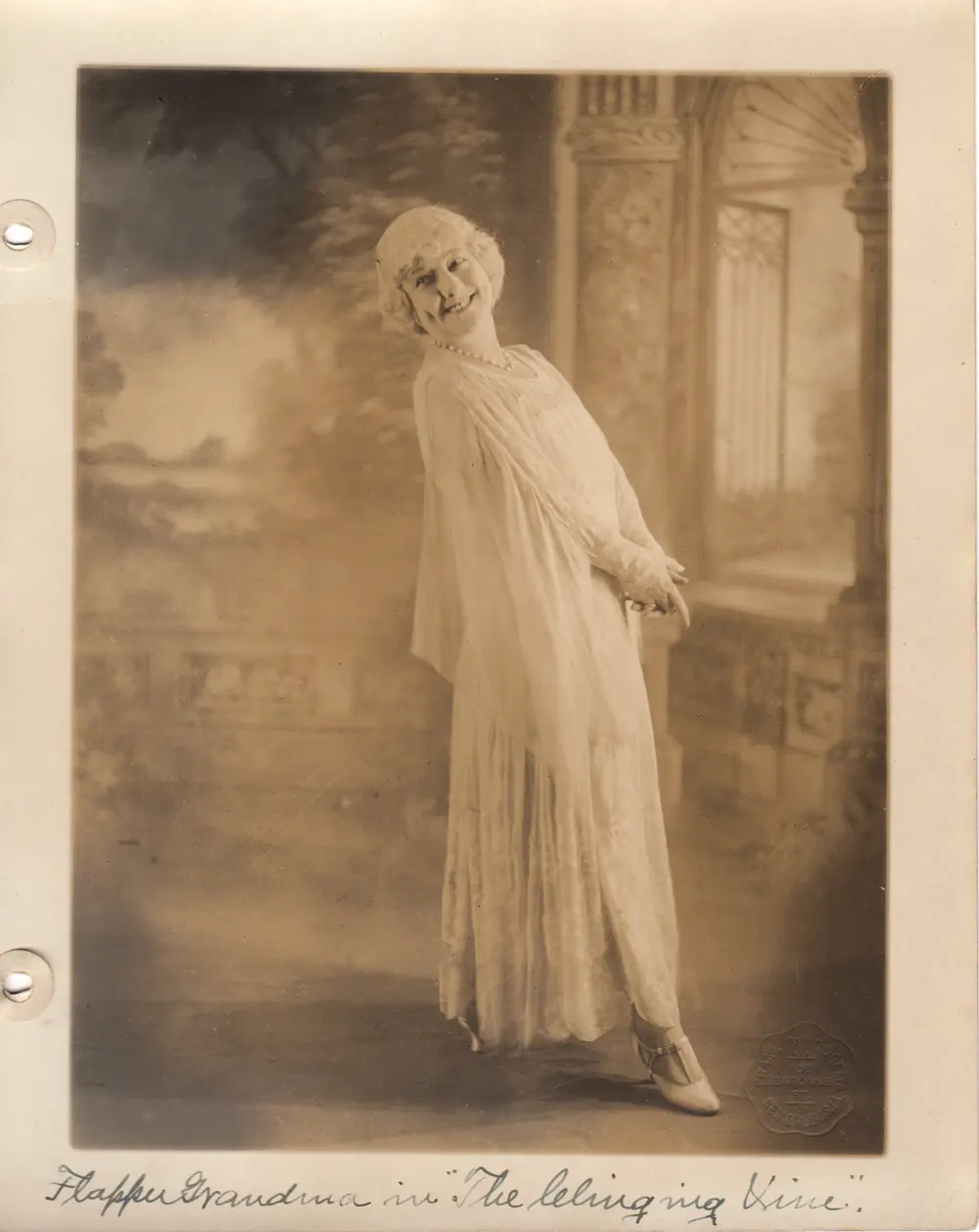
The makeover sequence, while a staple of the genre, is handled with a cynical edge. This isn't a magical transformation like in So Long Letty; it is a calculated military operation. Jimmy's grandmother, played with a delightful twinkle by Toby Claude, treats 'womanhood' as a series of tactical maneuvers. The instruction to use only two phrases—'Do go on!' and 'Aren't you wonderful?'—is a brutal, hilarious indictment of male narcissism. It suggests that a man doesn't want a partner; he wants an audience.
Leatrice Joy is the reason this film remains watchable. She has to play two roles simultaneously: the brilliant A.B. and the vapid 'Antoinette.' Her performance is a tightrope walk. You can see the internal eye-roll every time she has to flutter her eyelashes. There is a specific scene where she almost slips up while discussing paint chemistry, only to catch herself and revert to a giggle. It’s a performance of a performance, and Joy nails the nuance.
Contrast this with Tom Moore’s Jimmy. Moore plays the part of the oblivious, ego-driven male perfectly. He isn't a villain, which almost makes it worse. He is simply a product of his environment, completely blind to the fact that the woman he is 'protecting' is actually the one keeping him from financial ruin. The chemistry between them is built on a lie, which adds a layer of tension that elevates the film above standard slapstick like Laughing Gas.
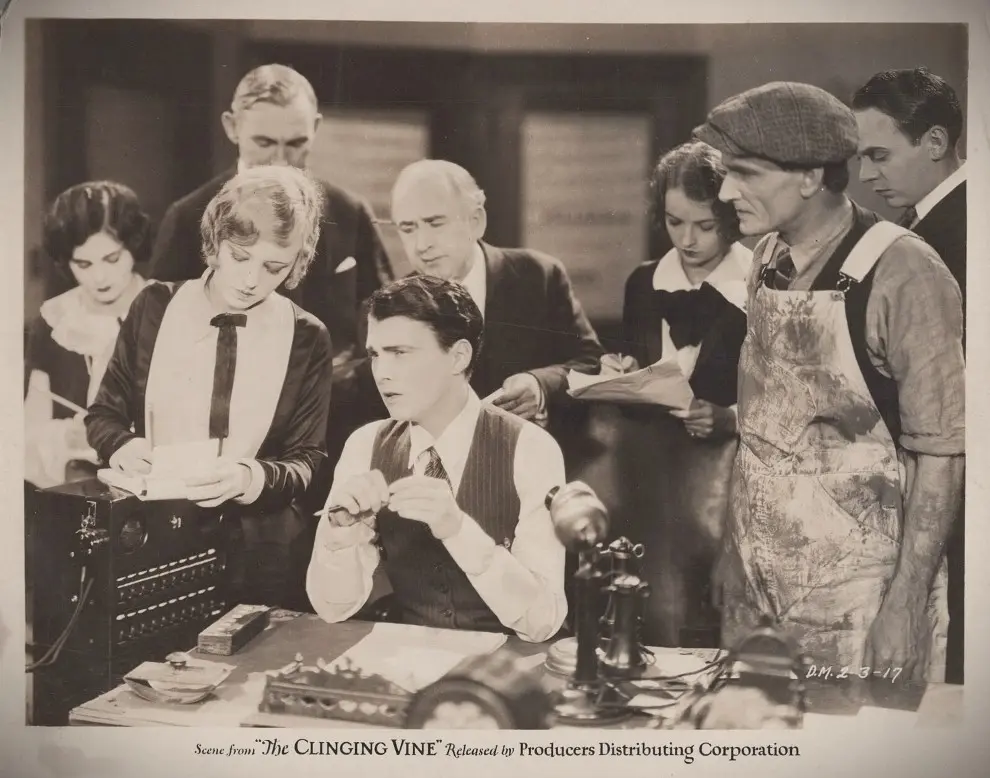
The supporting cast adds necessary texture. Snitz Edwards, a veteran of the era, provides the kind of physical comedy that keeps the pacing brisk. The direction by Paul Iribe and Frank Urson is functional, but it’s the screenplay—adapted from Zelda Sears’ stage play—that provides the bite. The dialogue intertitles are sharp, often dripping with a sarcasm that suggests the writers were well aware of the absurdity they were depicting.
The core of the film’s humor—and its horror—is the 'Do go on' strategy. It is a terrifyingly effective weapon. In one scene, Jimmy explains a business concept to A.B. that she herself invented weeks prior. Watching her nod and whisper, 'Aren't you wonderful?' while the audience knows she is the superior mind is a masterclass in dramatic irony. It is a scene that could be dropped into a modern workplace comedy with zero changes.
However, the film takes a debatable stance in its final act. As A.B. fixes Jimmy’s business mistakes from the shadows, the film seems to suggest that this is the 'proper' way for a woman to exert power: through manipulation rather than direct action. It’s a cynical conclusion. It suggests that a woman can have power, but only if she lets the man think it was his idea. This makes The Clinging Vine a much darker film than it appears on the surface. It’s not just a romance; it’s a tragedy of suppressed potential.
Compared to other films of the time, such as The Pretenders, which dealt with social climbing, The Clinging Vine is more concerned with the internal cost of social conformity. It doesn't just ask how to get ahead; it asks what you have to kill inside yourself to get there.
The film is genuinely funny. The 'two phrases' gag never gets old because it is so rooted in a recognizable truth about human ego. The production design for the Bancroft estate is lavish, providing a beautiful backdrop for the social warfare. Furthermore, the film is a vital piece of cinema history, bridging the gap between the Victorian era and the Flapper era. It shows the messy middle ground where women were gaining professional ground but losing social standing if they didn't 'play the game.'
The pacing slows down significantly during the middle house-party sequence. While the character work is good, some of the subplots involving the other guests feel like filler. Additionally, the film lacks a truly satisfying 'coming out' moment for A.B. The resolution feels like a compromise rather than a triumph. For modern audiences, the sight of a brilliant woman diminishing herself for a mediocre man is a tough pill to swallow, even in a comedy.
The Clinging Vine is a sharp, bitter pill of a movie wrapped in a sugary romantic coating. It works as a comedy because the observations about male vanity are timeless. It works as a drama because Leatrice Joy makes you feel the weight of A.B.'s mask. It is a film that deserves to be discussed alongside more famous silents like Enoch Arden or The Monster and the Girl, not because it is perfect, but because it is so revealing of the era's anxieties.
Ultimately, the film is a testament to the fact that 'playing the game' is an exhausting, soul-crushing endeavor. A.B. wins the man, but at what cost? She wins by becoming a ghost in her own life. It is a brilliant, frustrating, and essential piece of silent cinema. It is a relic. But it is a sharp one. Go watch it for Joy, stay for the social commentary, and leave feeling a little bit angry on A.B.'s behalf. That, I suspect, is exactly what the writers intended.
IMDb —
1919
Community
Log in to comment.