DbcultAccessing Vault...
Cult Review
Senior Film Conservator
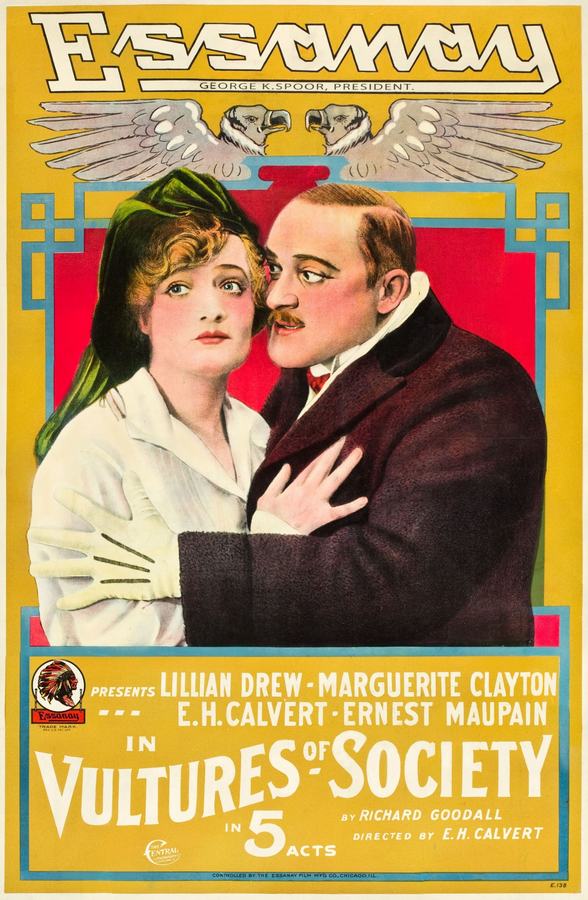
Ah, the silent era! A time when narratives unfurled with a grand theatricality, where every gesture, every flicker of an eye, carried the weight of a thousand unspoken words. 'Vultures of Society,' a cinematic gem from a bygone age, plunges us into a world of aspiration, elaborate deception, and the intoxicating, often dangerous, pursuit of what appears to be the 'good life.' This isn't just a film; it's a meticulously crafted period piece that, even without a single spoken line, manages to dissect the very fabric of societal ambition and the moral compromises often made in its relentless pursuit. It's a testament to the enduring power of visual storytelling, proving that human desires and weaknesses are timeless, transcending the advent of synchronized sound.
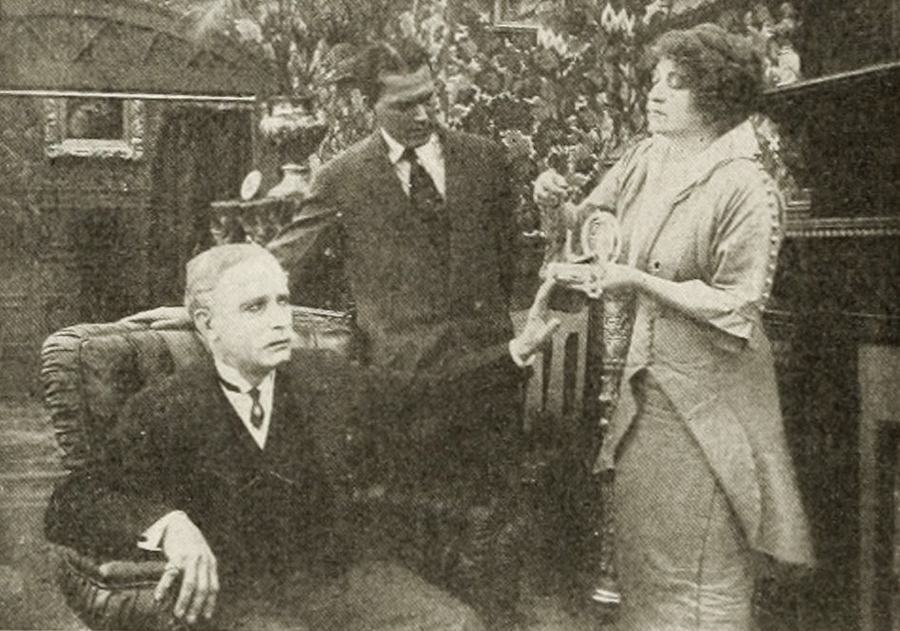
At its heart, 'Vultures of Society' introduces us to Teddy Bimms, a young woman whose spirit chafes against the mundane realities of her existence. She gazes upon the glittering echelons of high society with an almost palpable yearning, a desire for elegance, adventure, and a life less ordinary. This yearning becomes the narrative's fulcrum when she encounters a man of seemingly boundless charm and aristocratic bearing, who, to her enchanted eyes, is nothing less than a genuine prince. The romance that blossoms is swift, intoxicating, and utterly convincing – at least to Teddy. Yet, beneath the veneer of royalty and refined manners lurks a far darker truth: her princely suitor is, in fact, a cunning jewel thief, an impostor who has masterfully woven a web of deceit, appropriating a royal identity for his nefarious ends. The film expertly builds this romantic illusion, only to shatter it with the slow, agonizing reveal of his true, predatory nature. It's a narrative mechanism that keeps the audience on tenterhooks, much like the best thrillers, but with an added layer of tragic romance.
Teddy's journey from starry-eyed infatuation to a woman of decisive action is truly the emotional core of the film. Her realization of the deception is not merely a plot point; it's a profound coming-of-age. She transforms from a passive participant in a grand illusion to an active agent of truth and justice. This pivot is handled with a remarkable subtlety, allowing the audience to witness her internal struggle before her external triumph. The climax, where she unmasks the impostor and, in doing so, rescues the *actual* prince he had displaced, is a crescendo of suspense and moral clarity. The grateful prince's subsequent proposal is the romantic denouement, a reward not just for her beauty or charm, but for her courage and integrity. It’s a classic narrative arc, elevating a simple romance into a tale of moral fortitude, reminiscent of the dramatic stakes found in Hearts and the Highway, where romantic entanglements often hide deeper layers of intrigue and identity play.
The success of 'Vultures of Society' hinges significantly on its ensemble cast, who, under the direction of E.H. Calvert, breathe life into these complex characters without the aid of dialogue. Lillian Drew, in the pivotal role of Teddy Bimms, delivers a performance that is both vulnerable and ultimately powerful. Her expressive eyes and nuanced gestures convey the spectrum of emotions, from naive wonder to heartbroken disillusionment, and finally, resolute determination. Drew embodies the archetypal heroine of early cinema, a figure who, despite societal constraints, finds her inner strength when faced with adversity.
Edward Arnold, as the charming yet sinister jewel thief, is a revelation. He masterfully balances the facade of aristocratic grace with the underlying menace of a predator. His portrayal ensures that the audience, much like Teddy, is initially captivated, making the eventual reveal all the more impactful. His ability to project duplicity through subtle mannerisms, a slight smirk, or a lingering gaze, is a masterclass in silent film acting. E.H. Calvert, not only directing but also contributing to the screenplay and appearing in the cast, demonstrates a profound understanding of the narrative's demands, ensuring a cohesive vision that permeates every frame. His dual role as a creative force and performer speaks volumes about the multi-talented individuals who shaped early cinema.
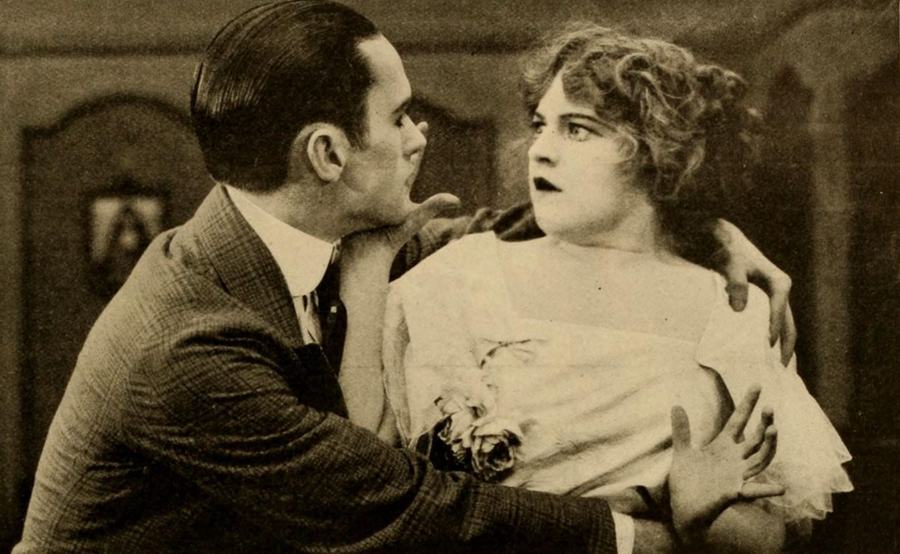
The supporting cast, including Ernest Maupain, William Burns, Mae Howard, Charles J. Stine, Charles Racey, Hugh Thompson, Virginia Hammond, Marguerite Clayton, Florence Oberle, Jack Meredith, and Arthur W. Bates, collectively create a believable world of high society and its shadowy underbelly. Their collective efforts in portraying various socialites, henchmen, and concerned citizens lend depth and texture to the narrative. The writers, E.H. Calvert and Richard Goodall, deserve immense credit for crafting a plot that, despite its seemingly straightforward premise, is rich with suspense, moral ambiguity, and satisfying character development. Their script navigates the delicate balance between romance and crime, societal critique and individual heroism, without ever feeling heavy-handed.
'Vultures of Society' is more than just a thrilling romance; it’s a keen observation of the societal 'vultures' – those who prey on innocence, ambition, and the desire for status. The title itself is a provocative statement, hinting at the moral decay that can fester beneath a polished exterior. Is the jewel thief the sole vulture, or does the film subtly critique the very high society that creates such fertile ground for deception? This nuanced exploration of class, aspiration, and morality is a hallmark of thoughtful silent cinema, much like the social commentary often found in works such as Germinal; or, The Toll of Labor, albeit from a vastly different social stratum.
The film's visual language is particularly noteworthy. Directors of the silent era relied heavily on mise-en-scène, lighting, and editing to convey meaning and emotion. In 'Vultures of Society,' the opulent sets and lavish costumes not only establish the world Teddy yearns for but also serve as a stark contrast to the gritty reality of the thief's true profession. The use of intertitles is artful, sparingly used to guide the narrative without disrupting the visual flow, allowing the actors' performances to carry the emotional weight. The pacing, a crucial element in silent film, is expertly managed, building suspense gradually, then accelerating towards the dramatic confrontation. This careful orchestration of visual elements creates an immersive experience that transcends the absence of audible dialogue.
The theme of mistaken identity, central to this film, is a perennial favorite in storytelling, from Shakespearean comedies to modern thrillers. Here, it’s imbued with a particular poignancy, as Teddy's affections are genuinely given to an illusion. This makes her eventual act of defiance all the more courageous. It’s a trope explored in various forms, from the comedic misunderstandings of Manhattan Madness to the more serious consequences of hidden lives in films like The Pursuing Shadow. 'Vultures of Society' leverages this trope not for mere plot mechanics, but to delve into the psychological impact of deceit and the liberating power of truth.
What 'Vultures of Society' ultimately offers is a compelling blend of romance, intrigue, and a subtle commentary on the human condition. It’s a reminder that true value lies not in inherited titles or stolen jewels, but in character, courage, and honesty. Teddy Bimms' transformation from an impressionable dreamer to a discerning heroine is a powerful arc that resonates even today. Her journey is a testament to the idea that sometimes, to find your true place, you must first confront the illusions that hold you captive.
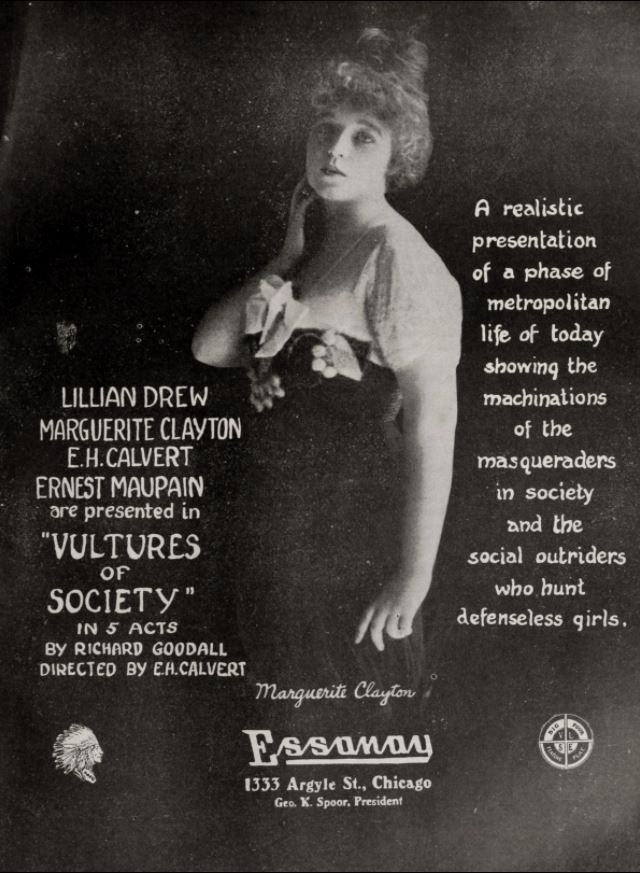
The film's resolution, with the grateful prince proposing marriage, provides the satisfying conclusion expected of a romantic drama of its time. It affirms the triumph of virtue over vice and the enduring belief in a just world where good deeds are rewarded. This narrative structure, while perhaps appearing simplistic by today's standards, was incredibly effective in its era and continues to hold a certain charm, offering a clear moral compass in a world that can often feel disorienting. It offers a form of cinematic escapism, yet one that is grounded in a strong moral framework. The clear distinction between good and evil, the virtuous protagonist and the deceptive antagonist, provides a comforting narrative clarity that is often missed in more ambiguous contemporary cinema.
Comparisons can also be drawn to films that explore the struggles of young women navigating challenging social landscapes, such as The Waif, though 'Vultures of Society' places its protagonist in a more glamorous, albeit treacherous, setting. The film's ability to maintain suspense and emotional engagement without dialogue is a testament to the artistry of its creators and performers. It's a masterclass in visual storytelling, where every facial expression, every body movement, and every carefully composed shot conveys a wealth of information and feeling. The film truly stands as an exemplar of the silent film era's capacity for complex narratives and profound emotional impact.
'Vultures of Society' remains a compelling watch for enthusiasts of early cinema and anyone interested in the evolution of narrative film. It offers a fascinating glimpse into the societal aspirations and moral ambiguities of its time, all wrapped in a thrilling package of romance and intrigue. The performances are captivating, the plot engaging, and the underlying themes surprisingly resonant. It's a film that, despite its age, speaks volumes about human nature, the dangers of superficiality, and the enduring power of genuine courage and love. It’s a reminder that even in the absence of sound, the human heart, with all its complexities and desires, can be profoundly articulated. For those seeking to understand the foundational elements of cinematic storytelling, or simply to immerse themselves in a gripping tale from a bygone era, 'Vultures of Society' is an essential viewing experience. It's a film that earns its place not just in the annals of cinema history, but in the hearts of those who appreciate the delicate art of the silent screen.
The film's title, 'Vultures of Society,' holds a mirror up to the era itself, reflecting a period where appearances often trumped reality, and where ambitious individuals might resort to any means necessary to climb the social ladder. This societal critique, subtly woven into the fabric of a romantic thriller, elevates the film beyond mere entertainment. It prompts reflection on who the true 'vultures' are: the outright criminal, or those who enable such deception through their own materialistic desires. This enduring relevance is what makes silent films like this so valuable – they are not just historical artifacts, but living narratives that continue to provoke thought and emotion. It's a journey into a past that, in many ways, still echoes in our present, proving that the human drama of ambition, love, and deceit is truly timeless.

IMDb —
1927
Community
Log in to comment.