Summary
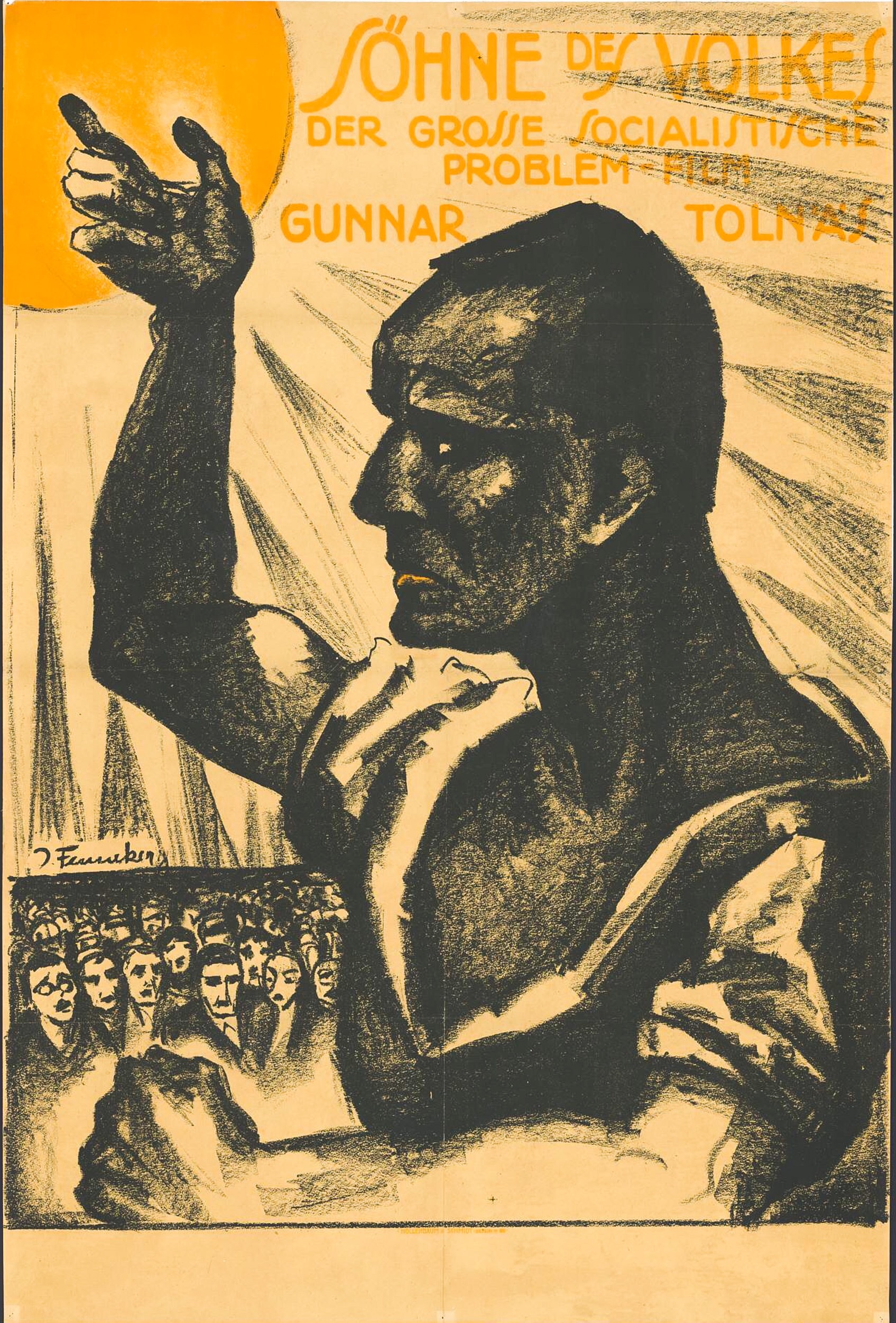
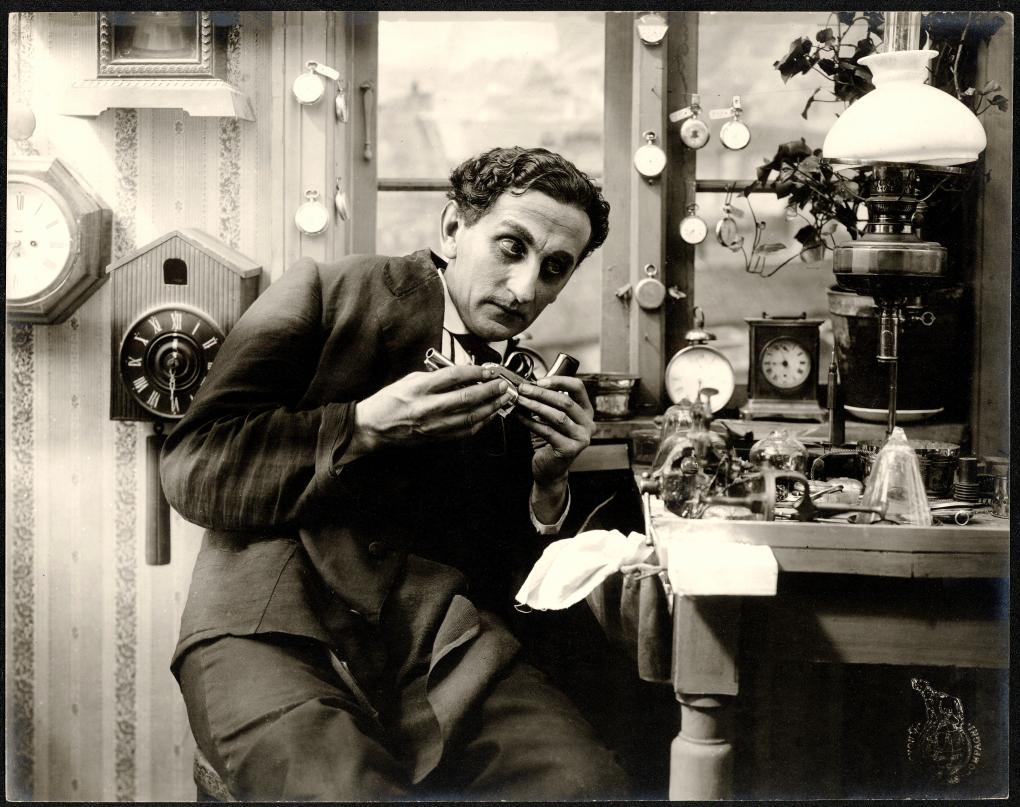
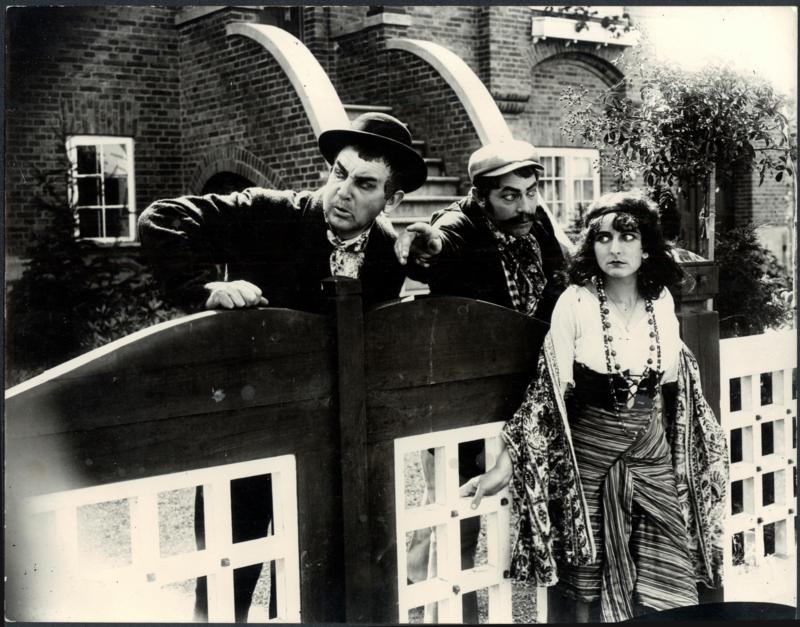
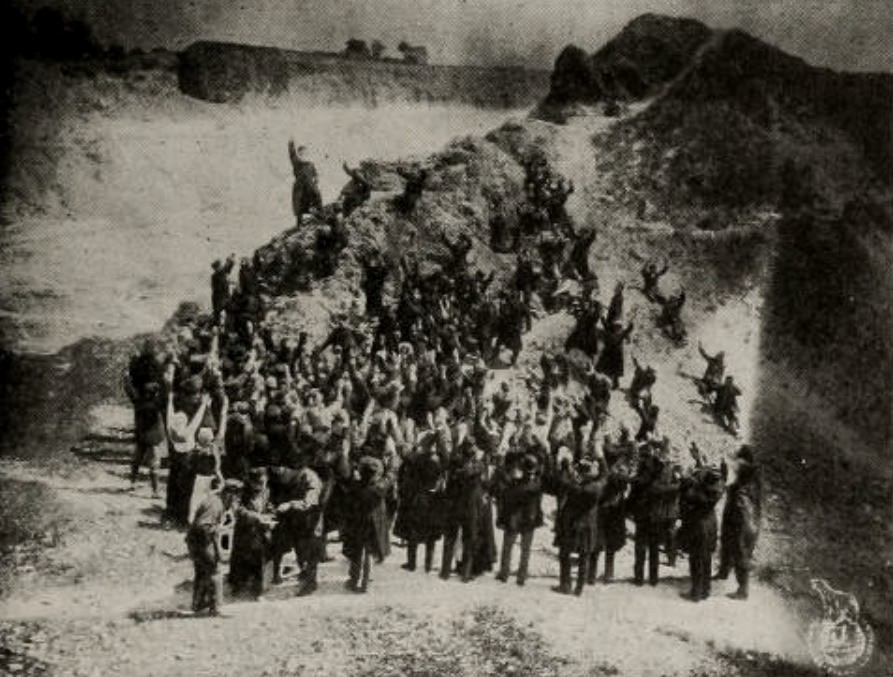
Europe exhales gunpowder; cobblestones still quiver with shell-shock when Axel, Mads and Ejnar—three furnace-bred sons of a bankrupt cooper—stride from the docks of Copenhagen into the fractured dawn of 1919. Each sibling brandishes a different weapon against the same hydra of want: Axel, the eldest, an ex-artillerist turned pamphleteer, prints blistering broadsheets that smell of ink and mutiny; Mads, scar-faced and silver-tongued, stands on beer-hall tables transforming hunger into aria, a socialist troubadour who believes every chorus can level a palace; Ejnar, the youngest, shoulders a cinematograph rather than a rifle, cranking the camera to snatch truth from the jaws of censorship. Around them, the city’s arteries clog with veterans selling bootlaces, factory girls fainting at looms, and speculators fattening on war loans. Their widowed mother, Frau Kornbeck—played by Clara Schønfeld with eyes like cracked porcelain—keeps a boarding house where revolutionaries, deserters and black-marketeers swap dreams over ersatz coffee. When Axel’s paper denounces a profiteering councillor, police ransack the print shop; type sorts scatter like metallic hail while Lilly Jacobson’s Agnes, a stenographer turned clandestine courier, hides lead slugs beneath her petticoat. Mads sparks a waterfront strike that paralyzes the very ships which once fed the trenches; but strikebreakers wielding ax-handles turn the quay into a butcher’s block, and in the melee Mads’s throat is crushed—his larynx fractures mid-slogan, birthing a silent martyr. Ejnar captures the carnage on nitrate; each frame trembles with the knowledge that film can both indict and burn. Grief hardens Axel toward Bolshevism; he trades ink for grenades, drilling malnourished dockers in moonlit courtyards. Agnes, pregnant with Axel’s child, pleads for ballots over bullets, her arguments braided with yearning for the unborn. The councillor, now backed by proto-fascist street gangs, smashes the workers’ presses and offers a bounty for the brothers. Ejnar screens his clandestine footage in a candlelit church crypt; images of Mads’s bloodied face project onto vaulted stone, turning worshippers into conspirators. Yet the police trail the cinematographer, and in a chase through Nyhavn’s frozen canals, his camera plunges beneath the ice—its reels a frozen palimpsest of injustice. Axel retaliates by storming the councillor’s townhouse during a masquerade ball; guests in harlequin masks dive for velvet cover as he brandishes a lit bomb. At the final instant, Agnes—veiled as Columbina—steps between avenger and victim; the device detonates prematurely in the stairwell, shredding tapestries but sparing the ballroom. Axel escapes, half-blinded, into the countryside where rye fields whisper Mads’s lost anthems. The councillor, unscathed, tightens his grip, branding the brothers terrorists, turning public sympathy into fear. Months later, Frau Kornbeck dies of consumption; her funeral procession swells into a silent river of ten-thousand flat caps. Ejnar, now a fugitive, projects his surviving footage onto the white marble of her coffin as it descends into the clay—images of Mads singing, Axel printing, their mother scrubbing floors. The mourners remove hats; no speeches, only the whir of a hand-cranked projector powered by a bicycle. In this moment, propaganda transmutes into elegy, and the state, unsure how to outlaw grief, watches. The film ends not with victory but with a question etched across the screen in jittery intertitles: “When the people forget their own song, who will teach them the melody?” The camera lingers on Agnes, newborn at her breast, walking toward a horizon of barbed-wire factories—her silhouette both promise and warning.
The social storm after World War I divides the people. In the eye of the storm are three brothers fighting for the lower classes, each in his own way.
Review Excerpt
"
There are films you watch and films that watch you—A Friend of the People belongs to the latter caste, a 1919 Danish fever dream that crawls under the epidermis of civic complacency and festers there. Ninety-something minutes of nitrate prophecy, it feels less like a period curio than tomorrow’s headlines smuggled inside yesterday’s grammar.
The Visual Language of Uprising
Director Holger-Madsen, once hailed for mystical melodramas, now wields montage like a bayonet. Notice the repeated moti..."