DbcultAccessing Vault...
Cult Review
Senior Film Conservator
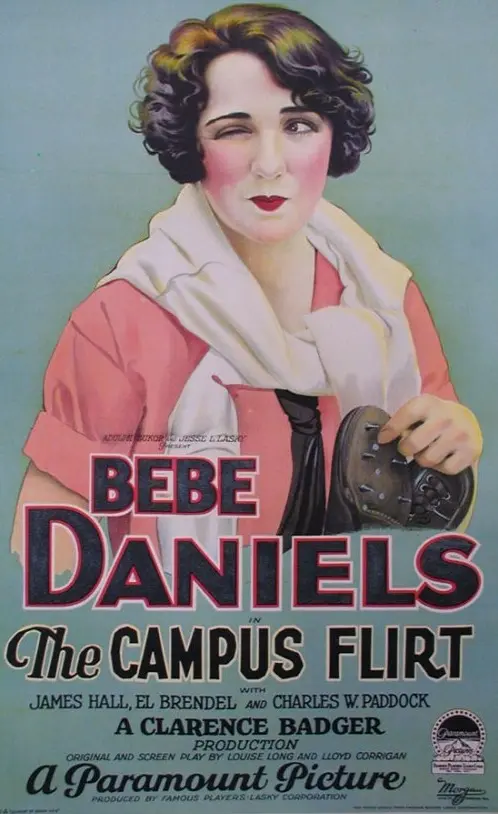
Short answer: Yes, but it’s more than just a historical curiosity. The Campus Flirt offers a compelling exploration of social dynamics and gender roles, making it a worthwhile watch for those interested in early silent films and the evolution of Hollywood.
This film is for fans of silent cinema, history buffs, and those interested in the social and cultural context of the early 20th century. It’s not for those who dislike films with a slow pace or who are not interested in the nuances of gender roles and social class.
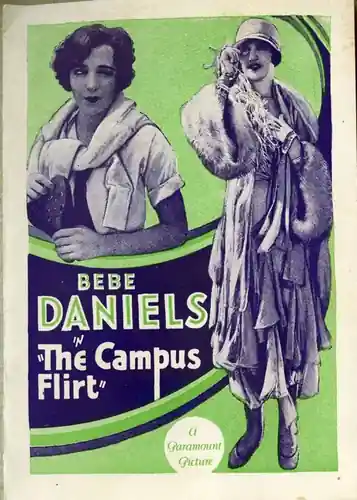
This film works because of its detailed portrayal of the social hierarchy and the challenges faced by women trying to secure their place in it. The characters are well-developed, and the interactions between Patricia Mansfield and the other students are filled with tension and humor.
This film fails because it occasionally feels slow and lacks the emotional depth that modern audiences might expect. The plot can be predictable, and some of the romantic entanglements feel somewhat forced.
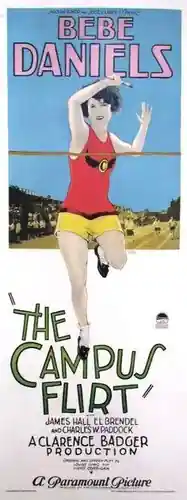
You should watch it if you’re interested in the social and cultural context of early Hollywood, or if you’re a fan of silent cinema and enjoy films that blend comedy and drama.
Charles Paddock delivers a standout performance as Charlie Paddock, the track star who becomes a key figure in Patricia’s journey. His charisma and athletic prowess are well-captured, making him a compelling character. Joan Standing, as Patricia Mansfield, brings a mix of snobbery and vulnerability to the role, which is both endearing and frustrating in equal measure.
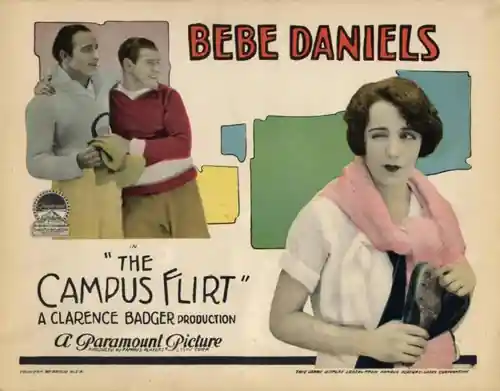
James Hall and Irma Kornelia also add depth to their characters, particularly in their interactions with Patricia. The supporting cast, including Gilbert Roland and Jean Stuart, provides a mix of comic relief and dramatic moments, although some of their roles feel somewhat underwritten.
Director Ralph Spence and cinematographer Rube Goldberg have crafted a film that is visually interesting, with a mix of colorful sets and dynamic action sequences. The track meets and athletic scenes are particularly well-executed, with a sense of urgency and excitement that captures the essence of the sport.
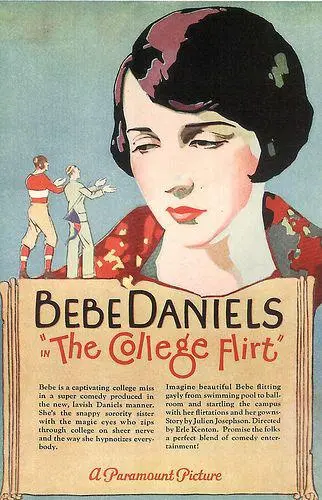
The film’s pacing is a bit uneven at times, with some scenes feeling draggier than others. However, the overall visual style is engaging, and the use of location shooting adds authenticity to the setting.
The film’s pacing is a double-edged sword. On one hand, the slow buildup of Patricia’s character development and the gradual unfolding of the plot allow for a deep exploration of the social dynamics at play. On the other hand, the predictability of certain storylines can make the film feel less engaging for modern audiences.
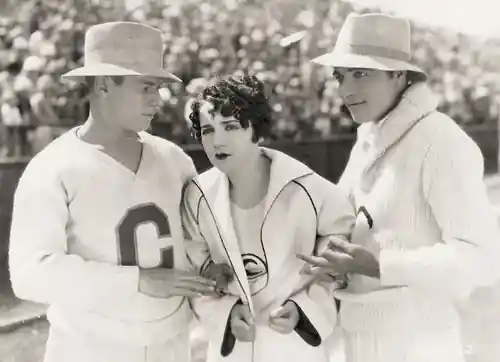
The tone shifts between comedy and drama, often seamlessly, which adds to the film’s appeal. However, some of the more comedic elements feel dated, and the dramatic moments can be overwrought, particularly in the later parts of the film.
While The Campus Flirt may not be a revolutionary film, it’s worth watching for its historical significance and its exploration of social and gender dynamics. The acting is generally strong, and the visual style is engaging, even if the pacing occasionally feels uneven. For those interested in early Hollywood and the evolution of film, this is a valuable addition to their collection.
It’s a film that works because of its historical significance and the detailed portrayal of social dynamics. However, it’s also flawed in its predictability and uneven pacing. For those interested in early Hollywood and silent cinema, it’s definitely worth a watch. For others, it might be more of a curiosity than a must-see.
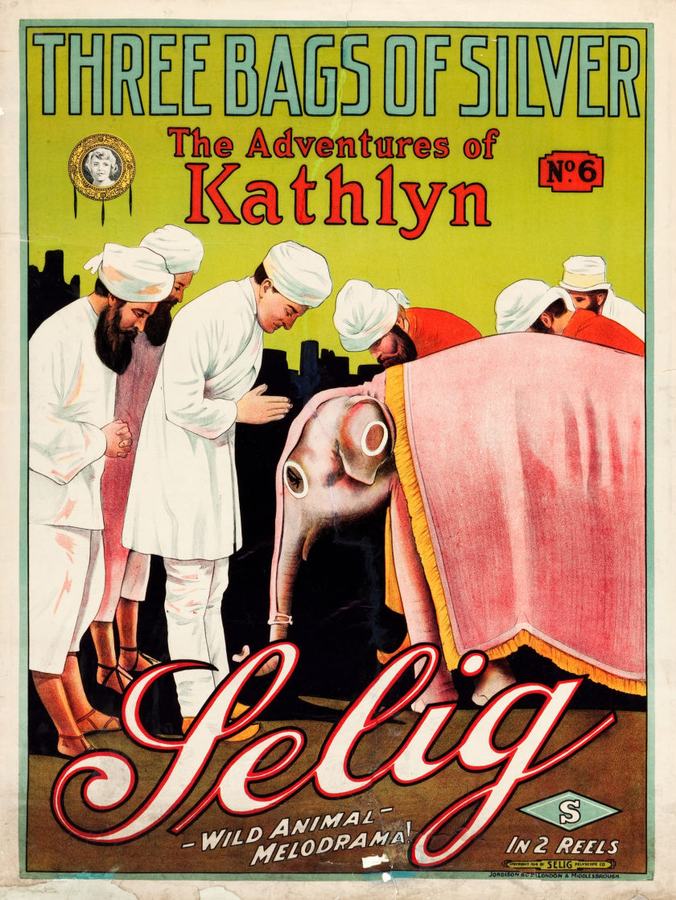
IMDb 5.4
1913
Community
Log in to comment.