DbcultAccessing Vault...
Cult Review
Senior Film Conservator
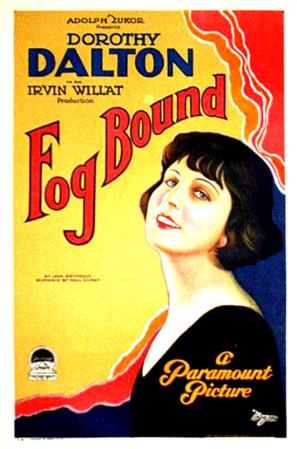
Stepping back into the cinematic past, particularly to the silent era, often feels like unearthing a forgotten language. These films, stripped of dialogue, rely on the raw power of visual storytelling, exaggerated expressions, and the evocative pulse of a musical score (which, alas, we often only imagine today). Fog Bound, a 1923 release, is a prime example of this artistry, a compelling narrative spun from the threads of romance, suspicion, and the suffocating embrace of a Southern swamp. It's a film that, despite its age, still manages to grip the viewer with its taut plotting and the visceral emotional performances of its cast.
At its heart, Fog Bound is a classic tale of wrongful accusation, complicated by a burgeoning, ill-fated romance. Roger Wainright, portrayed with a certain debonair charm by Maurice Costello, is introduced as a man of means, a New York gentleman seeking respite (or perhaps merely diversion) at his Florida estate. His idle existence is soon jolted by the arrival of Gale Brenon, the daughter of a federal revenue agent, played with a captivating blend of innocence and burgeoning strength by Martha Mansfield. Their initial connection is palpable, a spark ignited against the humid backdrop of the American South. This budding affection, however, is quickly overshadowed by tragedy when Gale's father is killed during a raid on a fashionable, yet illicit, gambling resort. The immediate finger of suspicion points squarely at Roger, forcing him into a desperate flight for freedom.
What ensues is a masterclass in silent film suspense. Roger, cornered and desperate, seeks refuge at Gale's home, a move that thrusts Gale into an agonizing moral quandary. The audience witnesses her internal turmoil, a silent struggle between her burgeoning love for Roger and the profound grief over her father's death, which she initially believes Roger is responsible for. Her decision to aid his escape into the labyrinthine swamps is a pivotal moment, showcasing her profound emotional conflict. This sequence, often rendered with dramatic chiaroscuro lighting and rapid cuts in films of this period, would have been particularly effective in conveying the urgency and danger of the situation. It echoes the desperate flight of protagonists in other films centered on false accusations, such as the intense manhunts seen in later thrillers, where the landscape itself becomes an antagonist.
The narrative takes a compelling turn when Gale, consumed by grief and a sense of duty, joins the search party hunting Roger. This creates a fascinating dynamic, as she becomes both his unwitting protector and his pursuer. The tension builds towards their inevitable reunion in the swamp, a scene ripe with emotional complexity. Mansfield's portrayal of Gale's weakening resolve upon finding Roger, her love battling her sense of betrayal, would have been crucial here. It's a poignant moment that speaks to the power of human connection, even amidst chaos and suspicion. Roger's subsequent decision to surrender, perhaps realizing the futility of further flight or recognizing the profound impact his actions have had on Gale, provides a temporary resolution. The ultimate revelation, delivered by Mildred Van Buren, exposing Deputy Brown as the true murderer, is the classic denouement, a satisfying unraveling of the tightly wound plot threads, clearing Roger's name and restoring a fractured sense of justice.
Maurice Costello, a true veteran of the screen, having started his career in the earliest days of cinema, brings a seasoned gravitas to Roger Wainright. His ability to convey complex emotions without uttering a single word was paramount in the silent era. One can imagine his portrayal of Roger's initial carefree demeanor transforming into a man haunted by false accusation and the weight of a love he might lose. This shift in character arc is vital, and Costello's experience would have allowed him to navigate it with nuance, even within the broader gestural language of the time. His performance would have needed to balance vulnerability with a defiant innocence, a challenging tightrope walk for any actor.
Martha Mansfield, as Gale Brenon, is the emotional anchor of the film. Her journey from initial attraction to profound grief, then to conflicted loyalty, demands a performance of considerable range. Silent film actresses often excelled at conveying inner turmoil through subtle shifts in facial expression, body language, and the expressive use of their eyes. Gale's dilemma – helping the man she loves escape, only to join the hunt for him – is a powerful dramatic engine. Mansfield's ability to make this internal conflict believable, to evoke empathy from the audience for her impossible choices, would have been the cornerstone of the film's emotional resonance. Her character, much like the protagonist in The Foolish Virgin, is placed in a morally precarious position, navigating societal expectations and personal desires under extreme duress. The vulnerability and strength she projects would have been key to making the audience invest in her plight.
The supporting cast, including William David, David Powell, Willard Cooley, Jack Richardson, Dorothy Dalton, Ella Miller, and Warren Cook, would have been crucial in building the world of Fog Bound. In silent films, every character, no matter how minor, contributed to the visual narrative through their expressions and actions. The villain, Deputy Brown, for instance, would have required a performance that gradually hinted at his duplicity, building towards the climactic reveal. The impact of Mildred Van Buren's eventual exposure of the truth would have hinged on the actress's ability to convey conviction and surprise. These collective performances, orchestrated by the director, are what truly bring a silent film to life, transcending the lack of spoken dialogue to communicate a rich tapestry of human experience.
The screenplay, penned by Jack Bechdolt and Paul Dickey, demonstrates a keen understanding of silent film conventions and effective dramatic construction. Their work would have involved not just plotting the narrative beats but also meticulously crafting the intertitles – the text cards that provided dialogue, exposition, and crucial emotional cues. The success of a silent film often rested heavily on the clarity and impact of these intertitles, ensuring the audience could follow the intricate plot without confusion, while also enhancing the emotional weight of key scenes. The writers' ability to weave a complex web of attraction, murder, escape, and eventual revelation, all within the visual language of the era, speaks volumes about their craftsmanship. The story's structure, with its escalating tension and a satisfying resolution, is a testament to their collaborative effort.
The choice of the Florida swamp as a setting is particularly inspired. It's not merely a backdrop but an active participant in the drama, a character in itself. The fog, as indicated by the title, would have been utilized for atmospheric effect, creating a sense of mystery, danger, and isolation. This use of environment to mirror internal states or external threats is a classic cinematic device, effectively employed here to amplify the sense of Roger's desperate flight and Gale's conflicted journey. The swamp's murky depths and labyrinthine paths become a metaphor for the moral ambiguity and the hidden truths that permeate the narrative. This environmental storytelling elevates the film beyond a simple potboiler, adding layers of symbolic resonance.
Fog Bound stands as a fascinating artifact within the broader tapestry of silent cinema. Its themes of mistaken identity, flight from justice, and the moral dilemmas faced by its protagonists resonate with many films of the period and beyond. One might draw parallels to the suspenseful chase sequences found in films like The Spider and the Fly, where the intricate dance between pursuer and pursued forms the core of the narrative. The emotional weight of Gale's choice, caught between love and duty, also brings to mind the profound moral struggles explored in works such as Dommens dag (Day of Judgment), where characters grapple with the consequences of their actions and the search for truth.
Furthermore, the element of hidden agendas and the eventual unmasking of a seemingly trusted figure, Deputy Brown, aligns with the narrative tropes seen in films like False Fronts or Alias Mary Brown, where appearances are deceiving and true identities or motives are concealed until a dramatic reveal. These films often played on audience expectations, creating suspense through the gradual peeling back of layers of deceit. The societal commentary inherent in the gambling raid, touching upon the illicit underbelly of fashionable society, also connects Fog Bound to a broader tradition of films that critiqued or explored the moral ambiguities of the era, much like the social dramas of its time.
The film's exploration of a woman's agency and her difficult choices, even within the confines of a patriarchal society, provides a subtle yet significant dimension. Gale's decision to first aid Roger, then to join the search, and her subsequent emotional breakdown upon finding him, speak to a nascent complexity in female character portrayal. While perhaps not as overtly progressive as some later works, it nonetheless presents a woman grappling with profound personal and ethical challenges, a theme also touched upon in films like Her Moment or The Incomparable Mistress Bellairs, where female protagonists navigate difficult circumstances and societal pressures with varying degrees of independence and resilience. The silent era, often underestimated, frequently allowed for powerful, visually driven female performances that conveyed immense inner strength without the need for dialogue.
To truly appreciate Fog Bound today requires a willingness to engage with its unique cinematic language. It's a journey back to a time when storytelling relied on grand gestures, expressive eyes, and the evocative power of light and shadow. The film's ability to maintain tension, develop character arcs, and deliver a satisfying resolution without spoken words is a testament to the skill of its creators and performers. The narrative, while perhaps appearing straightforward by modern standards, is packed with emotional depth and moral quandaries that remain relevant. The themes of love, betrayal, justice, and the treacherous nature of appearances are timeless, ensuring that a well-crafted silent film can still resonate powerfully with contemporary audiences.
The very title, Fog Bound, evokes a sense of being lost, confused, and obscured from clarity – a perfect metaphor for Roger's predicament and Gale's emotional state. The fog, both literal and metaphorical, blankets the characters in uncertainty until the truth, like the sun burning through the mist, finally reveals itself. This intelligent use of atmospheric elements to underscore thematic concerns is a hallmark of thoughtful filmmaking, regardless of the era. It's a film that reminds us that human emotions and moral conflicts transcend the limitations of technology, finding expression in the most fundamental forms of visual art. For those willing to immerse themselves in its silent world, Fog Bound offers a compelling glimpse into the early thrills of cinematic storytelling, a testament to the enduring power of a well-told tale.
In conclusion, Fog Bound is more than just a historical curiosity; it is a vibrant piece of cinematic heritage that showcases the ingenuity and artistry of the silent film era. Its intricate plot, compelling performances, and evocative setting coalesce into a memorable viewing experience. It invites us to appreciate the foundational elements of film, reminding us that the essence of storytelling lies not in the spoken word, but in the universal language of human emotion and visual narrative. This film, like many of its contemporaries, serves as a crucial link in understanding the evolution of cinema, proving that even without sound, a story can speak volumes and leave an indelible mark on the viewer's imagination.
IMDb —
1927
Community
Log in to comment.