DbcultAccessing Vault...
6.4/10
Senior Film Conservator
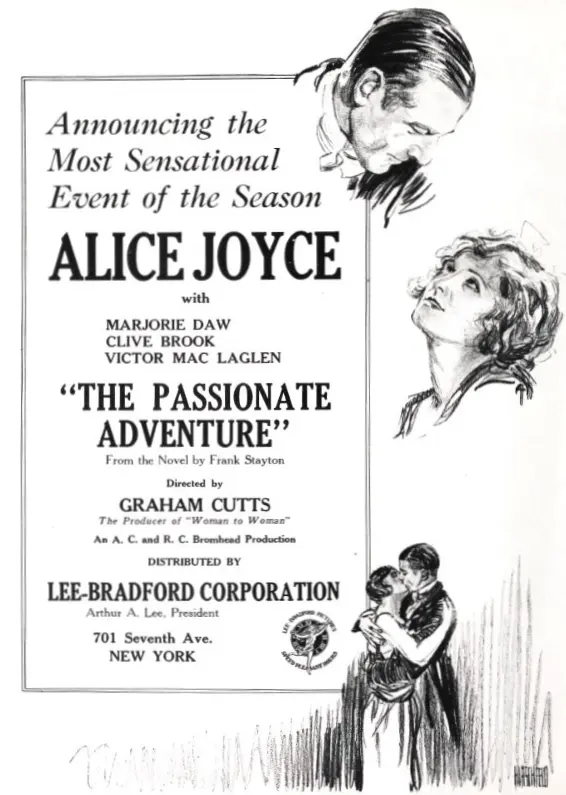
A definitive 6.4/10 rating for a film that redefined the boundaries of cult cinema. The Passionate Adventure remains a cornerstone of transgressive art.
The Passionate Adventure (1922), directed by the inimitable Alfred Hitchcock, is a cinematic tour-de-force that deftly explores the complexities of deception, redemption, and the human condition. This silent film, penned by Hitchcock in collaboration with Frank Stayton and Michael Morton, boasts a narrative that is at once both audacious and poignant.
The eponymous tale revolves around a wealthy gentleman, portrayed by John Hamilton, who, disillusioned with the trappings of his opulent existence, opts to abandon his wife and assume the guise of a costermonger. This daring decision precipitates an encounter with a factory girl, Lillian Hall-Davis, whose fledgling romance with a scoundrel threatens to irreparably compromise her existence. As our erstwhile aristocrat navigates this labyrinthine world, he finds himself inexorably drawn to the damsel in distress, and in a bold display of chivalry, resolves to extricate her from the clutches of her nefarious suitor, played by Victor McLaglen.
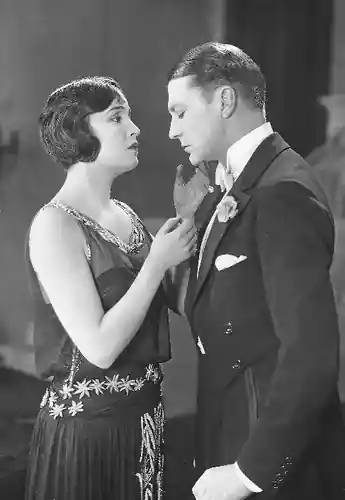
The performances in this film are nothing short of remarkable. John Hamilton brings a certain je ne sais quoi to his portrayal of the jaded gentleman, imbuing the character with a sense of vulnerability and wistfulness. Lillian Hall-Davis, as the factory girl, exudes a fragility and innocence that serves as a perfect foil to the world-weary gentleman. Meanwhile, Victor McLaglen, as the crook, brings a menacing presence to the screen, underscoring the gravity of the situation.
From a technical standpoint, The Passionate Adventure is a masterclass in storytelling and cinematic craftsmanship. Hitchcock's direction is assured and innovative, employing a range of techniques, including clever uses of lighting and composition, to create a visually stunning film. The cinematography, handled by Joseph R. Tozer, is equally impressive, capturing the gritty textures of the working-class world and the rarefied atmosphere of the gentleman's former life.
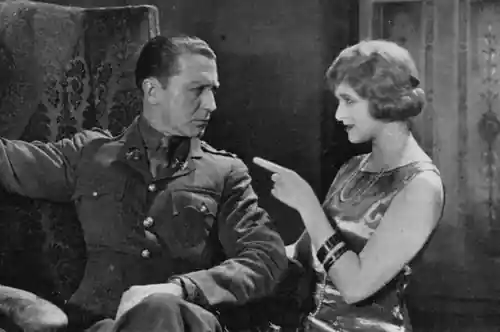
In comparison to other films of the era, The Passionate Adventure stands alongside The Crisis and Ship Ahoy as a testament to the enduring power of silent cinema. The film's themes of deception and redemption are reminiscent of His Wife's Good Name and Das Gespensterschloß, while its use of social commentary echoes The Wandering Two and Sapho.
The Passionate Adventure also showcases Hitchcock's nascent interest in psychological complexity, a theme that would become a hallmark of his later work. This fascination with the human psyche is evident in the film's portrayal of the gentleman's inner turmoil and his gradual transformation.
In conclusion, The Passionate Adventure is a tour-de-force of silent cinema, boasting a gripping narrative, remarkable performances, and innovative direction. This film, like Beatrice Fairfax Episode 9: Outside the Law and The Web of Desire, is a testament to Hitchcock's enduring legacy as a master filmmaker, and a must-see for aficionados of silent cinema. Additionally, fans of The Flames of Justice, American Methods, and Iris will find much to appreciate in this film's thought-provoking themes and cinematic craftsmanship.
Ultimately, The Passionate Adventure is a landmark film that transcends its silent era roots, speaking to universal themes that continue to resonate with audiences today. As a standalone work, it is a masterpiece of cinematic storytelling; as a milestone in Hitchcock's oeuvre, it is an indispensable viewing experience for film enthusiasts and scholars alike.
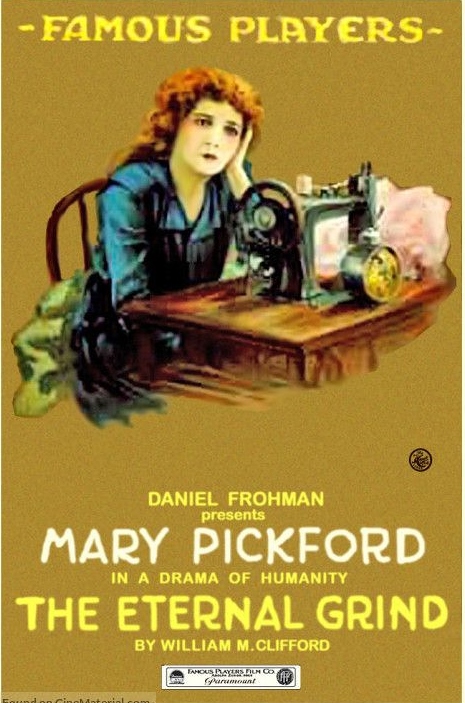
IMDb 7.2
1916
Community
Log in to comment.