Summary
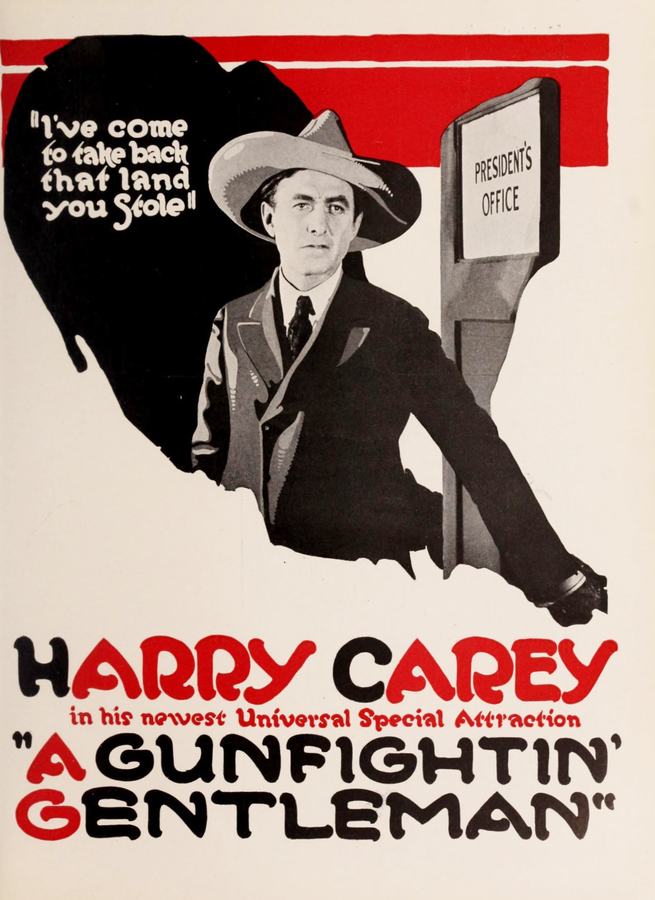
A titan of the Western range, "Cheyenne Harry," finds his dominion usurped by the cunning machinations of John Merritt, an Eastern industrialist whose legal legerdemain strips Harry of his vast cattle empire. The conventional avenues of redress prove futile, compelling our protagonist to journey eastward, directly confronting the architect of his misfortune. What unfolds is a masterclass in social manipulation and subversive defiance. Merritt, seeking to reduce Harry to a crude spectacle for his sophisticated guests, invites him to a formal dinner. The expectation is a display of frontier boorishness, a source of urbane amusement. Yet, Harry, with an innate dignity and astute perception, navigates the treacherous waters of high society etiquette with surprising grace. The turning point arrives with Merritt's calculated vulgarity, a deliberate transgression of decorum – eating with a knife – intended to trap Harry in a faux pas. But Harry, recognizing the host's implicit challenge, mirrors the impropriety, transforming Merritt's weapon of humiliation into a shared act of defiance. He departs, not vanquished, but emboldened, his pursuit of justice now imbued with a sharper edge of personal vindication.
Synopsis
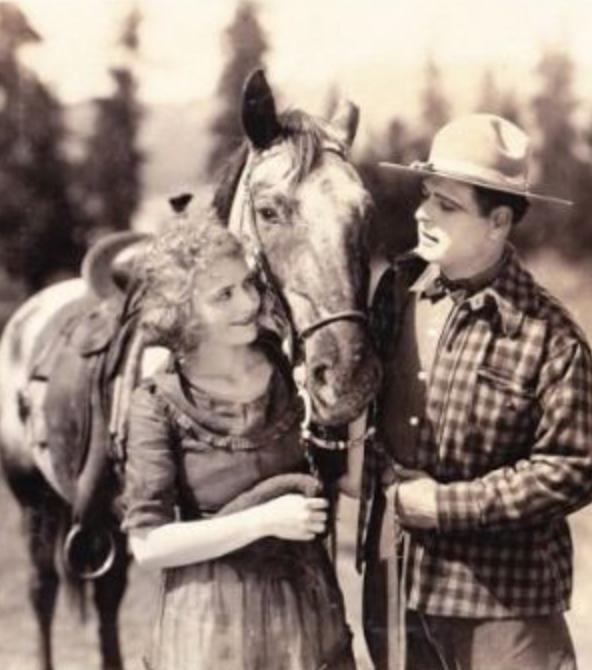
"Cheyenne Harry", owner of the biggest cattle ranch in his corner of the West, is having trouble with John Merritt, a land-grabbing Chicago meat-packer. By some artifice of shrewd legal aid, Merritt manages to seize Harry's ranch under a bogus writ of foreclosure. Failing to get justice by his many letters to Merritt, "Cheyenne Harry" goes East and calls at the millionaire's mansion. At first, Merritt refuses to see him. Then, to cause amusement for his daughter Helen and her guests, he invites the "uncouth" Westerner into his dining hall. He is sure that he will make some grave error in table deportment and afford them all a laugh. To the amazement of Merrit and the guests Harry's table manners are faultless. Then, to trick him into an embarrassing position, Merritt eats with his knife. Harry, realizing that it is proper for the guest to follow the example of the host, does likewise. He leaves the house chagrined but more determined than ever to get justice from Merritt.
Review Excerpt
"
Stepping back into the sepia-toned annals of early cinema, we encounter A Gun Fightin' Gentleman, a compelling silent Western from 1919 that, despite its vintage, resonates with a timeless narrative of justice, honor, and the stark clash between untamed frontier spirit and calculating urbanity. This isn't merely a quaint artifact; it's a foundational text in the Western genre, a testament to the powerful storytelling capabilities of its era, and a crucial early entry in the illustr..."