Summary
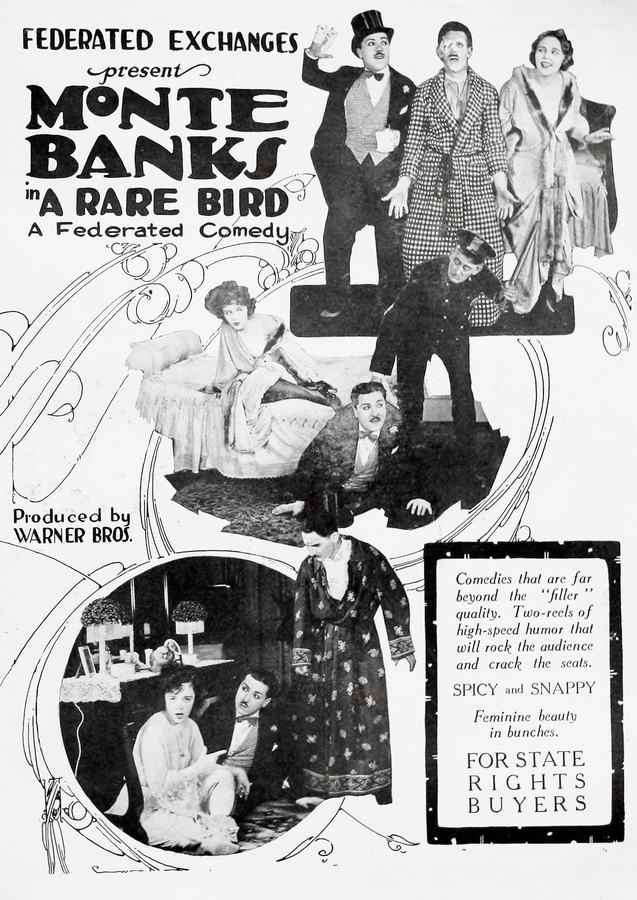
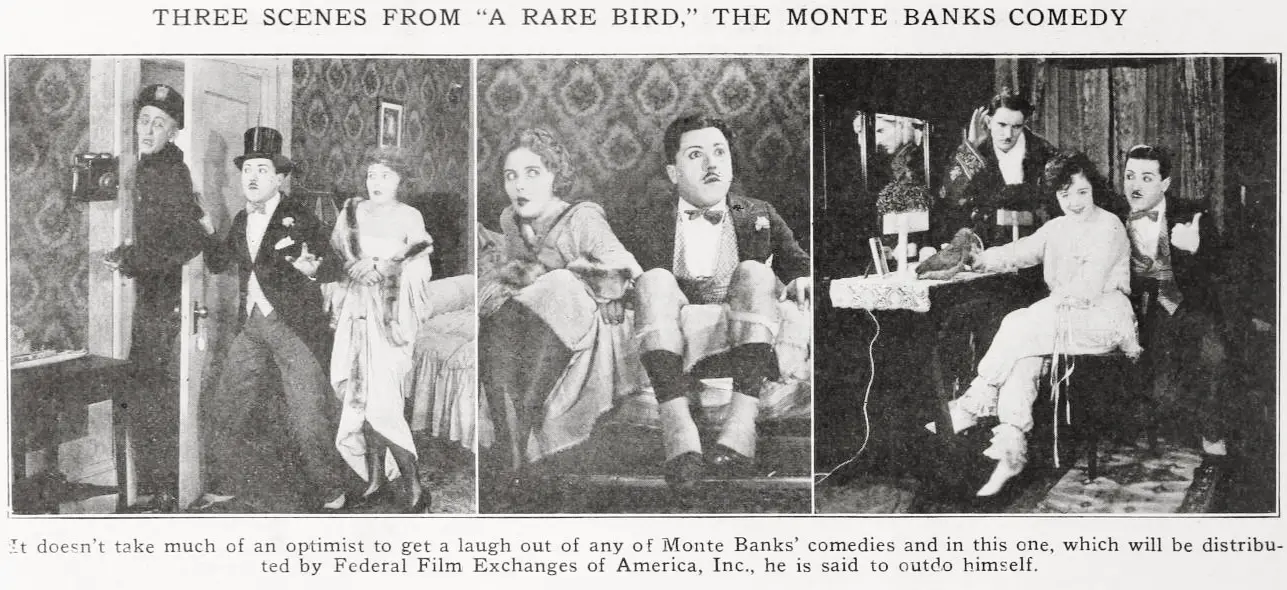
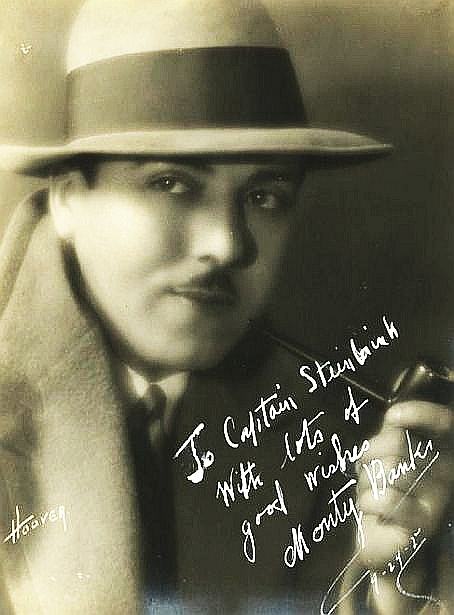
In a nameless city where dusk smells of hot iron and river rot, a carnival limps into town behind a one-winged aviator called Bud Ross—part stunt-pilot, part confidence man—hauling a patched canvas biplane and a secret that flaps like a wounded crow inside his ribs. Ross, leathery face lit by magnesium flares, promises the gawking crowd he will loop-the-loop through a burning hoop, yet what he truly intends is to smuggle Monty Banks, a fugitive ventriloquist who hides a stolen Fabergé egg beneath his tongue, across the militarized border etched in chalk beyond the fairgrounds. Every night Banks projects his voice into the hollow belly of a mechanical vulture perched atop the Ferris wheel, broadcasting cryptic lullabies that lure lovers to the riverbank where passports are traded for pressed violets. Ross’s cockpit becomes a confessional: the pilot admits he once crash-landed on an islet of guano and carved his dead co-pilot’s name into the propeller blade; Banks counters by revealing the egg contains a living canary whose song can shatter glass and possibly memory. Their alliance frays when a mute contortionist, played by an uncredited actress with cheekbones sharp enough to slice the moon, slips a map of exit arteries inside Ross’s flying goggles; she herself is pursued by a detective wearing a dove-gray coat lined with warrants, who believes the bird inside the egg is the last witness to an imperial assassination. The climax detonates during a twilight air-show: Ross ascends trailing a comet-tail of kerosene, Banks tucked behind him, singing through cracked teeth; the burning hoop widens into an orange O of judgment, searchlights comb the sky like desperate fingers, and the canary—freed—bursts into a cataract of golden notes that implodes the egg, the plane, and every certainty the townspeople thought they owned. What lands is not a body but a rain of singed blue feathers that drift onto the river and spell out the word forgive.
Review Excerpt
"
The first time I witnessed A Rare Bird I was convinced the nitrate had fused with my optic nerve; the images kept fluttering behind my eyelids like moths trapped in a coal scuttle.
There is no establishing shot in the orthodox sense—only a magnesium-white flash, a carnival barker’s bark dissolving into prop-wash, and then Bud Ross’s face emerging from shadow as if sculpted from tarmac and starlight. The film refuses to announce itself; it simply lands, one gear broken, smoke curling from the ..."