DbcultAccessing Vault...
Cult Review
Senior Film Conservator
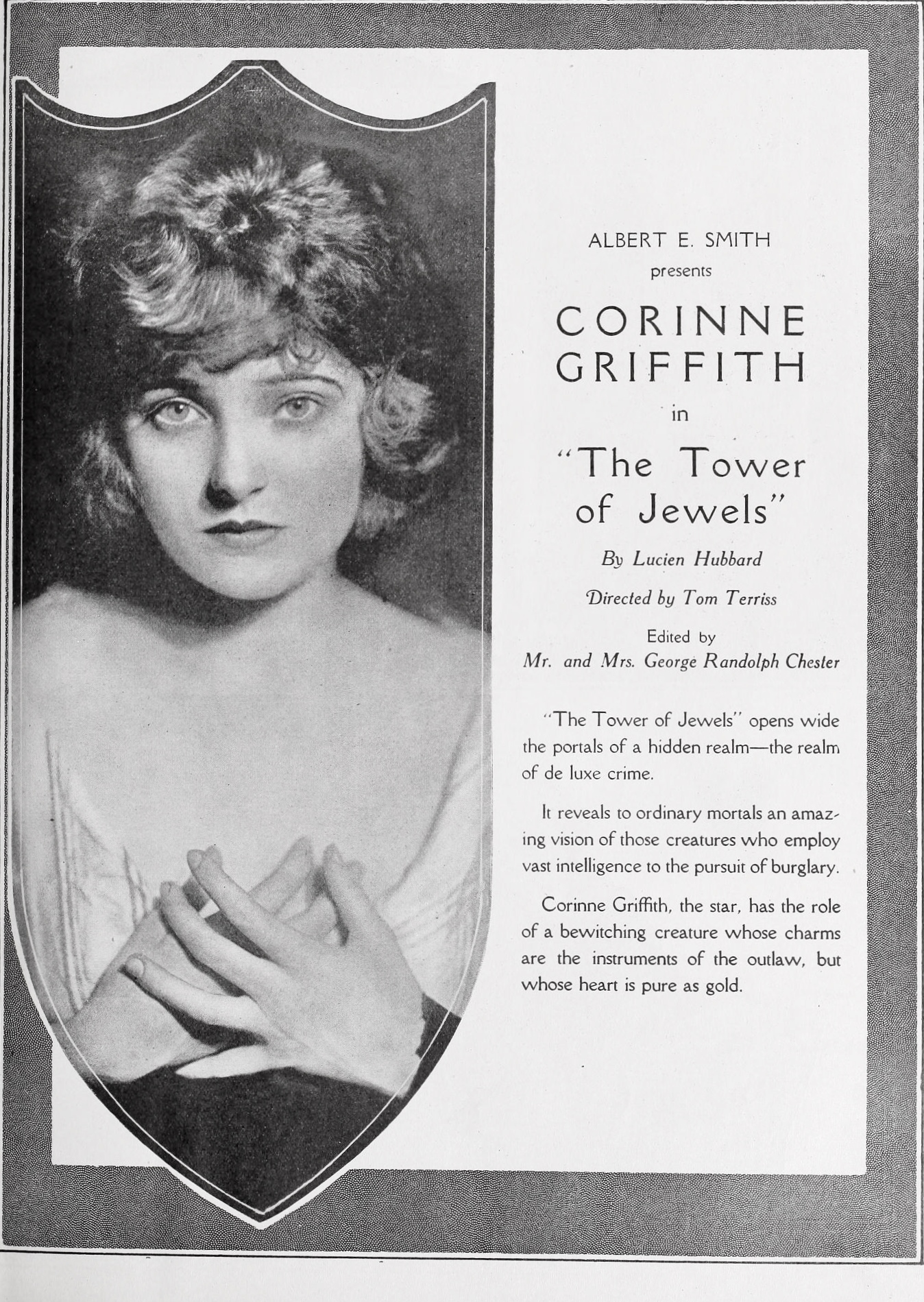
The flickering shadows of the silent era often conceal cinematic gems, and 'The Tower of Jewels' stands as a compelling testament to the period’s narrative prowess and emotional depth. Released in 1920, this film, penned by Lucien Hubbard, navigates a treacherous landscape of crime, redemption, and the enduring power of love, all brought to vivid life through the evocative performances characteristic of its time. It’s a narrative that, even a century later, continues to resonate with its exploration of moral ambiguity and the societal pressures that shape individual destinies.
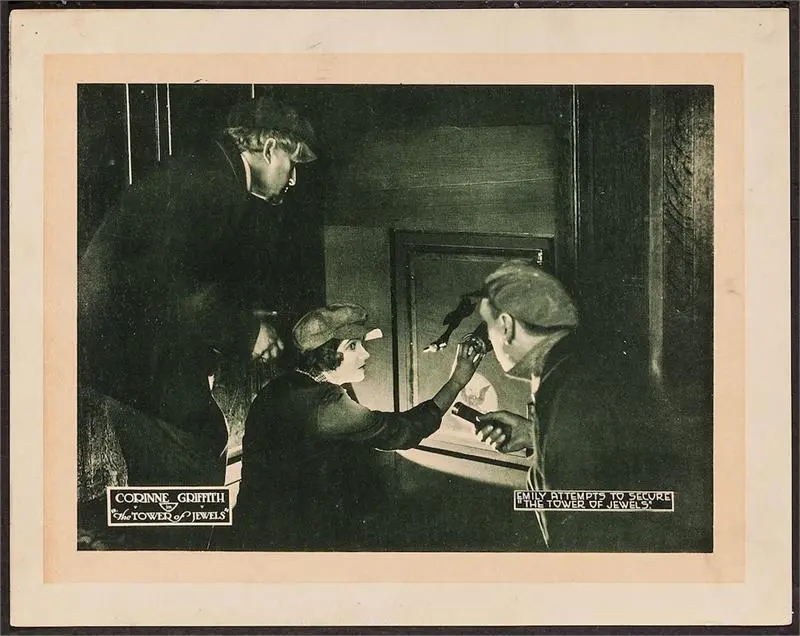
At its core, 'The Tower of Jewels' presents a fascinating character study centered on Emily Cottrell, portrayed with exquisite nuance by the luminous Corinne Griffith. Emily is no ordinary ingénue; she is, surprisingly, a highly respected and integral member of a formidable criminal syndicate, operating under the shrewd leadership of Fraser Grimstead. Her life, a perilous dance between subterfuge and calculated risk, takes an abrupt turn when she is apprehended during a daring heist at the opulent residence of David Parrish. This pivotal moment, rather than leading to immediate incarceration, becomes the unexpected catalyst for a profound moral reckoning. Parrish, a man of considerable wealth and, it seems, an even greater capacity for empathy, extends an extraordinary offer: not merely freedom, but a genuine chance at a new life, untainted by her criminal past. He provides her with a home, a sanctuary from the shadows, and a pathway to respectability. It’s an act of benevolence that immediately sets the film’s central conflict into motion, painting Emily’s subsequent struggles with a deeper shade of pathos.
However, the tendrils of her former life are not easily severed. Grimstead, a character embodying the ruthless pragmatism of the underworld, is far from willing to relinquish such a valuable asset. His insistence that Emily assist in stealing the titular 'Tower of Jewels' – a famed diamond collar, now in David Parrish’s possession – plunges her into an agonizing dilemma. The jewel itself becomes more than just a material object; it symbolizes the inescapable pull of her past and the stark contrast with the promising future she now envisions. Her refusal, born of a genuine desire for redemption and a burgeoning affection for Wayne Parrish, David’s son, is met with Grimstead’s most potent weapon: blackmail. He threatens to expose her checkered history to Wayne, jeopardizing not only her newfound respectability but also the burgeoning romance that offers her a true sense of belonging. This narrative device, a common but effective trope in silent melodramas, is handled here with a palpable sense of dread, intensifying Emily’s internal conflict.
The tension escalates dramatically as Grimstead and his gang lay siege to the Parrish home, transforming it from a haven into a fortress under threat. In a clever narrative twist, the actual theft of the jewel case is orchestrated not by Grimstead's crew, but by Wayne’s cousin, a character motivated by petty jealousy and a desire to frame Emily, her rival for Wayne’s affections. This subplot introduces an additional layer of intrigue, diverting suspicion and highlighting the often-unseen machinations of domestic rivalry, a stark contrast to the overt criminality of Grimstead. The eventual establishment of Emily’s innocence is a hard-won victory, meticulously unraveled through the unfolding events. Her ultimate vindication, however, comes from the most unexpected source: Grimstead himself. Shot by the police in the climactic confrontation, his dying breath serves as a dramatic confessional, revealing Emily’s gentle birth and asserting her fitness to marry Wayne. This final, almost deus ex machina, revelation not only clears her name but elevates her social standing, ensuring a happy, respectable future. It's a conclusion that, while perhaps a touch too convenient for modern sensibilities, perfectly aligns with the melodramatic conventions and moral aspirations of early 20th-century cinema.
Corinne Griffith, often hailed as the 'Orchid Lady' of the screen, delivers a performance in 'The Tower of Jewels' that is both captivating and deeply empathetic. Her portrayal of Emily Cottrell is a masterclass in silent acting, conveying a complex spectrum of emotions – guilt, fear, hope, and burgeoning love – primarily through nuanced facial expressions and graceful body language. Griffith’s ability to project vulnerability while retaining an inner strength makes Emily a truly compelling figure. We believe in her desire for redemption, even as her past threatens to engulf her. Her chemistry with Webster Campbell, who plays Wayne Parrish, is understated yet palpable, adding a tender romantic dimension that grounds the more thrilling aspects of the plot. This kind of nuanced performance was crucial in an era devoid of spoken dialogue, where actors had to communicate entire emotional landscapes through gesture and gaze. Griffith’s star power at the time was immense, and watching her here, it’s easy to see why. Her presence elevates the material, transforming what could have been a straightforward crime drama into a poignant exploration of character.
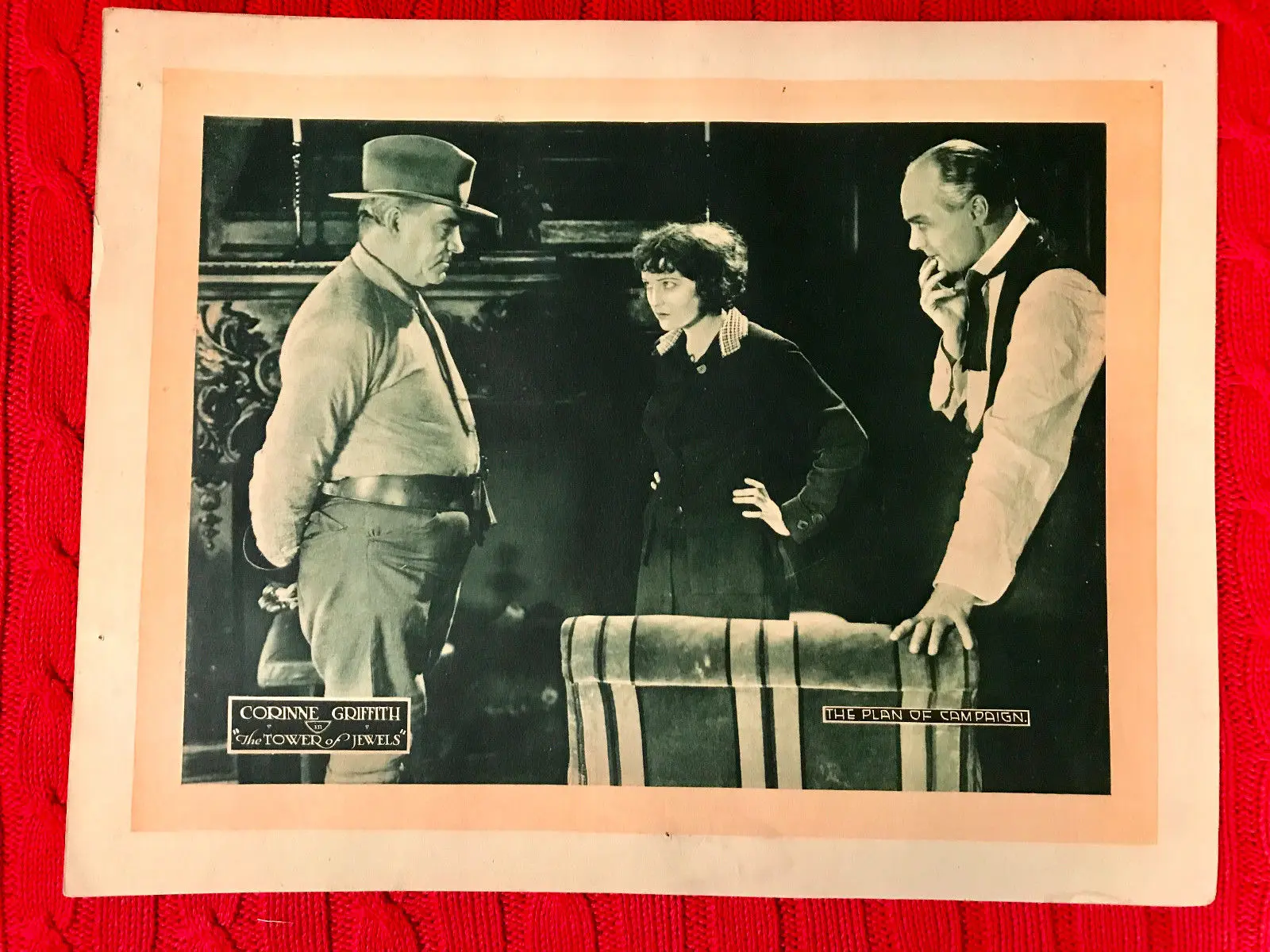
The supporting cast, too, contributes significantly to the film's overall impact. Maurice Costello, as the menacing Fraser Grimstead, embodies the villain with a chilling effectiveness. His presence is a constant, looming threat, a stark contrast to the warmth offered by Henry Stephenson's benevolent David Parrish. Estelle Taylor, portraying Wayne's jealous cousin, adds a layer of domestic intrigue, demonstrating how personal vendettas can intertwine with larger criminal plots. The collective efforts of actors like Charles Craig, Edward Elkas, and Charles Halton, though perhaps less prominent, contribute to the immersive atmosphere, creating a believable world for Emily’s struggles to unfold. Their performances, typical of the era, relied on broad strokes interspersed with moments of delicate subtlety, a balance that the best silent film actors perfected. The visual storytelling, through the actors' expressions and movements, was the primary language, and this ensemble speaks it fluently.
Lucien Hubbard's screenplay for 'The Tower of Jewels' is a masterclass in constructing a compelling melodrama. Hubbard, known for his prolific contributions to early Hollywood, demonstrates a keen understanding of pacing, character development, and the dramatic potential of moral dilemmas. The plot, while adhering to certain conventions of the era, is intricate enough to maintain suspense, with twists and turns that genuinely surprise. The central conflict – Emily’s struggle between her past loyalty to Grimstead and her desire for a new, honest life with Wayne – is beautifully articulated. Hubbard doesn't shy away from exploring the psychological toll such a conflict takes, making Emily's journey feel authentic despite the heightened reality of the circumstances.
The script's strength lies in its ability to build tension effectively, from the initial capture of Emily to Grimstead's relentless pursuit and the climactic confrontation. The use of blackmail as a primary antagonist force is particularly potent, as it targets Emily’s deepest fears: the loss of love and respectability. Furthermore, the inclusion of Wayne's cousin's jealousy-fueled act adds a layer of complexity, preventing the narrative from becoming a simple good-versus-evil struggle. Instead, it highlights how human frailties and desires, both criminal and personal, can converge to create profound chaos. In this regard, one might draw a comparison to films like False Ambition, which also delves into the destructive power of personal desires and societal pressures, or even Money, where wealth itself becomes a catalyst for moral compromise. Hubbard’s writing ensures that the emotional stakes are always high, making Emily’s ultimate triumph feel earned and deeply satisfying within the context of the story's world.
The direction of 'The Tower of Jewels', while not always attributed with the same prominence as the stars or writers in historical records, clearly demonstrates a skillful understanding of silent film aesthetics. The use of lighting, particularly in scenes involving Grimstead's shadowy machinations versus the bright, open spaces of the Parrish home, effectively communicates the moral dichotomy at play. Cinematography, though constrained by the technology of the era, is employed to enhance dramatic impact, using close-ups to emphasize emotional states and wider shots to establish the grandeur of the settings or the scale of the confrontations. The intertitles, crucial narrative tools in silent films, are well-integrated, providing necessary exposition and dialogue without disrupting the visual flow. They serve as textual bridges, guiding the audience through the story's complexities and deepening character understanding.
The pacing is judiciously handled, building suspense gradually during the setup and accelerating into frenetic action sequences during the heist and its aftermath. The visual language of the film is strong, relying on established cinematic conventions of the time to convey plot points and emotional arcs. For instance, the framing of Emily in moments of despair or hope, or Grimstead's menacing entrances, are carefully composed to elicit specific reactions from the audience. This attention to visual detail and narrative construction places 'The Tower of Jewels' within a tradition of well-crafted silent dramas, reminiscent of the tension found in films like The Hound of the Baskervilles, where atmosphere and visual cues are paramount to the storytelling. The film effectively uses its medium to tell a compelling story, proving that the absence of sound did not equate to an absence of sophisticated cinematic expression.
Beyond its thrilling plot, 'The Tower of Jewels' delves into several resonant themes. Redemption is, arguably, the most prominent. Emily’s journey from a life of crime to one of respectability is fraught with obstacles, both external and internal. Her struggle to shed her past and embrace a new identity speaks to universal desires for second chances and the possibility of personal transformation. This theme of moral rehabilitation was a popular subject in early 20th-century cinema, reflecting societal anxieties and hopes regarding individual agency and the potential for social mobility. The film suggests that true redemption is not merely about escaping punishment but about earning acceptance and forging a new, honest self.
Class distinctions also play a significant role. Emily’s initial position as a criminal, albeit a respected one, places her outside the bounds of polite society. David Parrish’s offer of a home and a chance to go straight represents an opportunity to cross a rigid social divide. The revelation of her 'gentle birth' at the film’s conclusion, while a classic melodramatic contrivance, underscores the era's preoccupation with lineage and social standing as prerequisites for acceptance, particularly in marriage. It implies that while personal reform is admirable, inherent good breeding ultimately solidifies one’s place in the upper echelons. This aspect can be compared to the societal critiques embedded in films like Our Better Selves, which often explored the nuances of social standing and moral character within specific class structures. The 'Tower of Jewels' itself, a symbol of immense wealth and status, serves as a tangible representation of the class divide and the allure of what lies beyond the reach of ordinary means.
Love and loyalty form another crucial thematic thread. Emily’s loyalty to Grimstead is initially strong, born perhaps of fear or a warped sense of belonging. However, her burgeoning love for Wayne Parrish challenges this older allegiance, forcing her to choose between her past and her future. Wayne’s unconditional affection, despite the shadows surrounding Emily, becomes a powerful force for her transformation. This romantic element is skillfully interwoven with the crime narrative, adding emotional depth and raising the stakes for Emily’s decisions. The film suggests that love can be a potent catalyst for moral change, capable of inspiring individuals to strive for a better, more honest existence. The tragic figure of Grimstead, bound by his own code and unable to escape his criminal world, stands in stark contrast to Emily’s path, highlighting the different forms and consequences of loyalty. His final act, a testament to Emily's true nature, is a complex mix of lingering affection, regret, and perhaps even a twisted sense of paternal care, further complicating the simple hero/villain dynamic.
Viewing 'The Tower of Jewels' today offers a fascinating window into the cinematic landscape of the early 1920s. This was a period of rapid evolution for the film industry, transitioning from rudimentary storytelling to more sophisticated narrative techniques and character development. The film’s reliance on strong visual storytelling, expressive acting, and well-crafted intertitles is characteristic of its time, showcasing the ingenuity required to convey complex plots and deep emotions without spoken dialogue. It's a reminder of how effectively these early filmmakers communicated with their audiences, building suspense and eliciting tears or cheers through purely visual means.
The film also reflects the cultural sensibilities of its era, particularly concerning morality, class, and the perception of crime. The idea of a 'gentle birth' being a crucial element for a happy ending, even after significant personal growth, speaks volumes about the societal values of the time. While modern audiences might find this aspect somewhat dated, it's essential for understanding the film within its historical context. Comparisons to other films of the period, such as On Trial, which similarly grappled with legal and moral dilemmas, highlight the common thematic concerns that resonated with audiences of the time. The emphasis on clear moral outcomes and the ultimate triumph of virtue, even if facilitated by dramatic convenience, was a hallmark of much popular entertainment from this period.
Ultimately, 'The Tower of Jewels' is more than just a historical curiosity; it is a captivating silent drama that holds up remarkably well. Its strengths lie in Corinne Griffith’s compelling performance, Lucien Hubbard’s well-structured screenplay, and its exploration of universal themes that continue to resonate. The film’s ability to weave together elements of crime, romance, and moral redemption into a coherent and engaging narrative is a testament to the artistry of its creators. While the melodramatic resolution might feel somewhat conventional to contemporary viewers, it provides a satisfying closure that was much appreciated by audiences of the 1920s.
For those interested in silent cinema, the evolution of narrative film, or simply a good old-fashioned tale of a troubled past and a hopeful future, 'The Tower of Jewels' offers a rewarding viewing experience. It reminds us that even without spoken words, the power of visual storytelling, compelling characters, and timeless themes can transcend eras, continuing to entertain and provoke thought. It's a journey into a world where a dazzling diamond collar can symbolize both temptation and the ultimate prize of an honest life, making it a valuable piece in the mosaic of early cinematic history. The film’s quiet elegance, combined with its dramatic intensity, cements its place as a significant, if sometimes overlooked, contribution to the silent film canon.
IMDb —
1916
Community
Log in to comment.