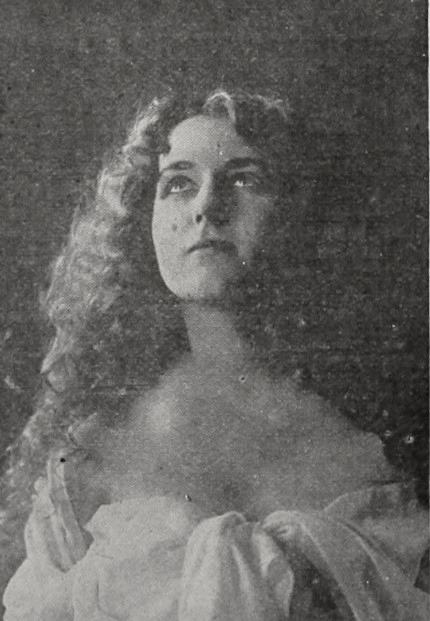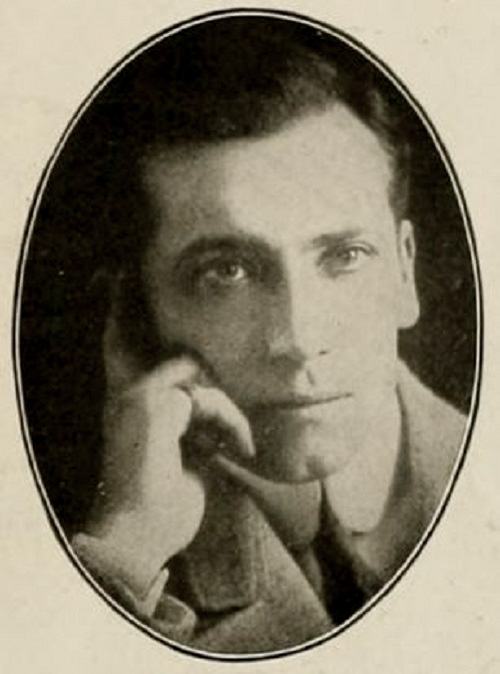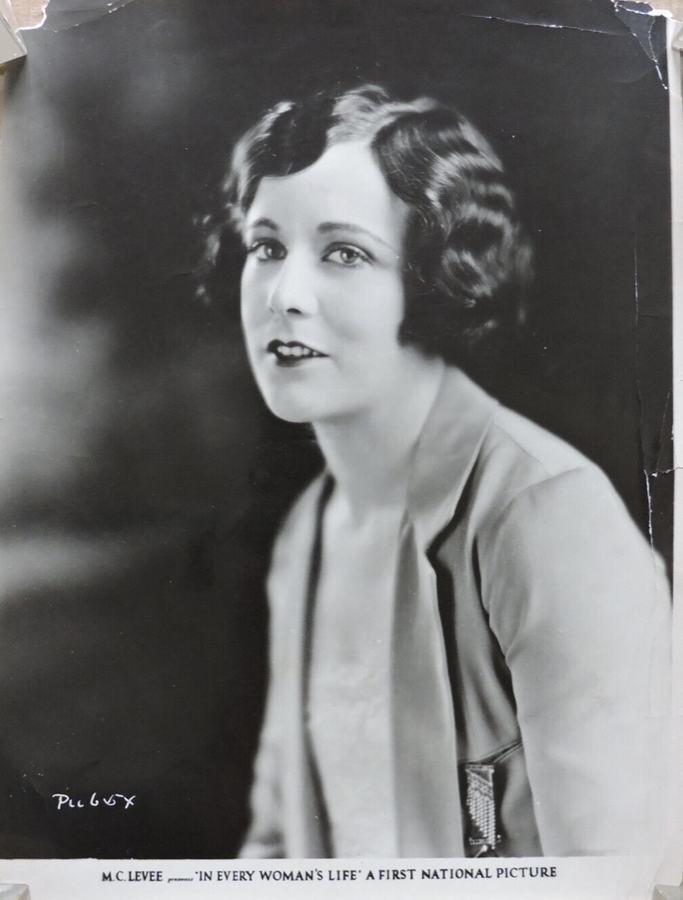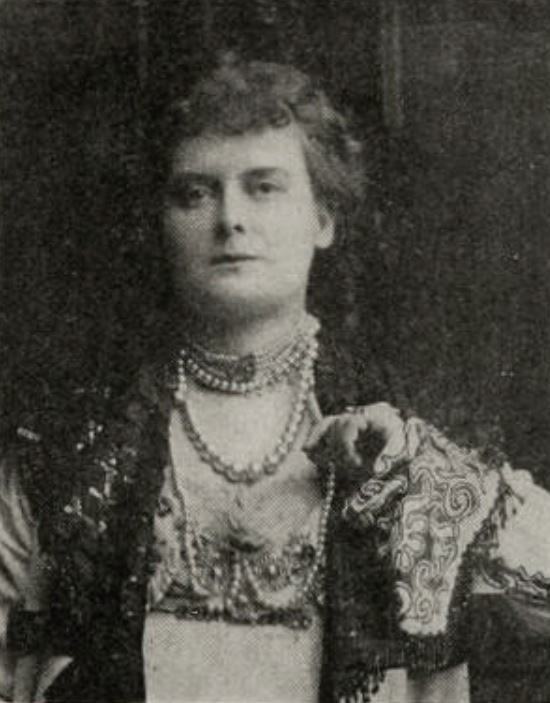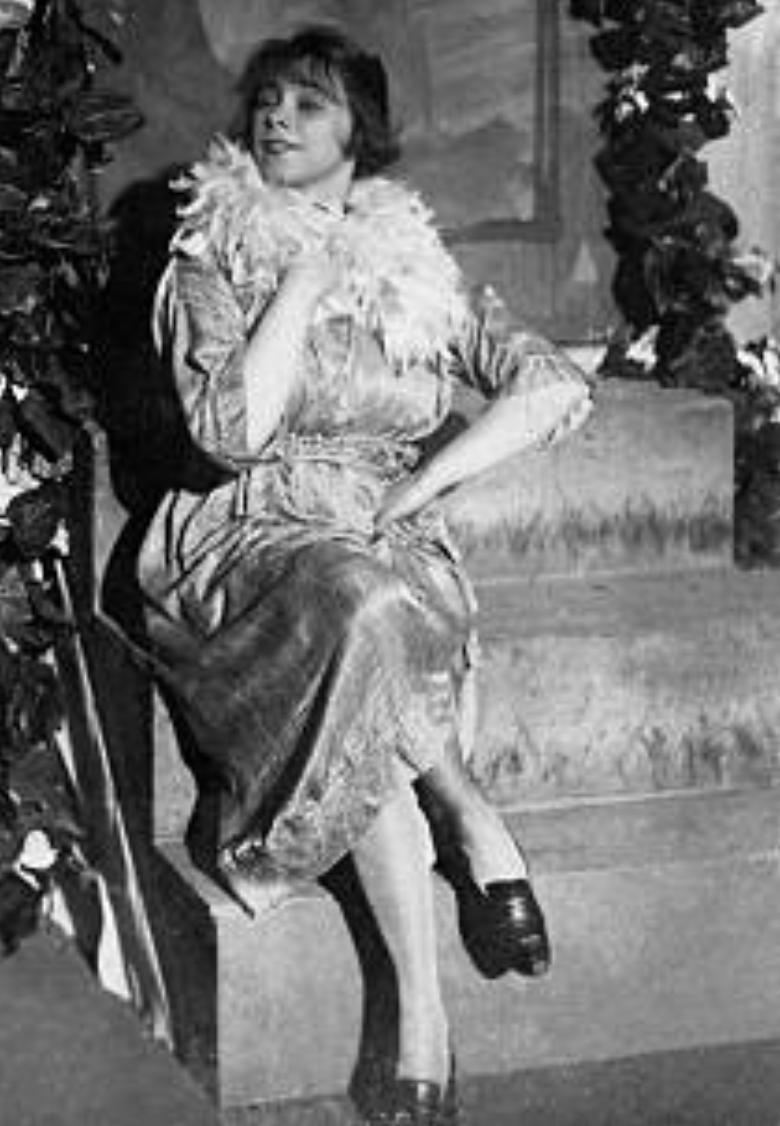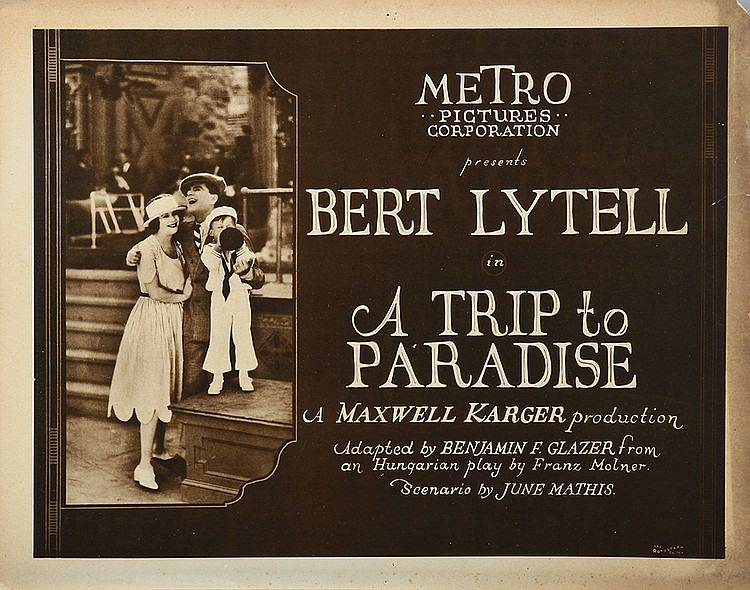
A somewhat disguised silent version of Molnar's "Liliom", released the same year that Molnar's play first opened on Broadway..
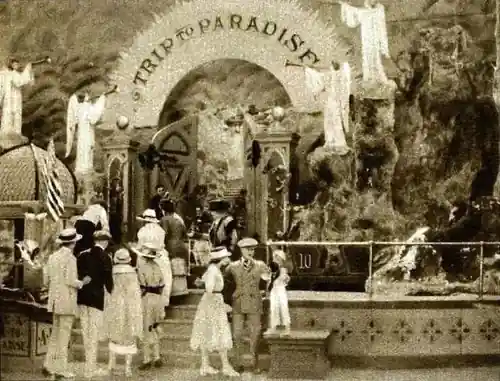
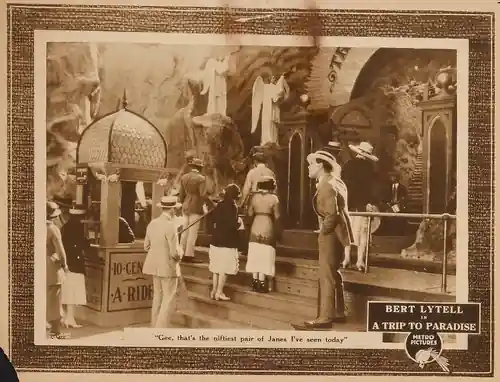
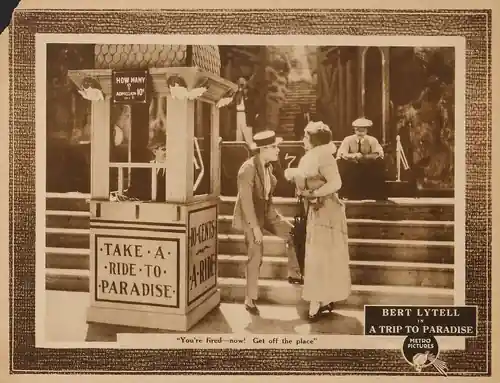
The first thing that strikes you is the shimmer of the celluloid itself—those silver halide ghosts flickering like magnesium flares against a velvet void. A Trip to Paradise arrives as a clandestine sibling to Molnár’s Liliom, birthed in the same annum the Hungarian bard’s play detonated Broadway, yet this silent dop...
production_art
production_art
production_art
Comparing the cinematic DNA and archive impact of two defining moments in cult history.
Maxwell Karger
Robert N. Bradbury
Community
Log in to comment.
" The first thing that strikes you is the shimmer of the celluloid itself—those silver halide ghosts flickering like magnesium flares against a velvet void. A Trip to Paradise arrives as a clandestine sibling to Molnár’s Liliom, birthed in the same annum the Hungarian bard’s play detonated Broadway, yet this silent doppelgänger chooses phosphorescent melancholy over footlight bravura. The camera, hungry and prowling, stalks a carnival midway where tinny calliope music drips like molasses into th..."
June Mathis, Ferenc Molnár, Benjamin Glazer
United States
Deep dive into the cult classic
Discover similar cinematic experiences
A Directorial Spotlight on Maxwell Karger