United States
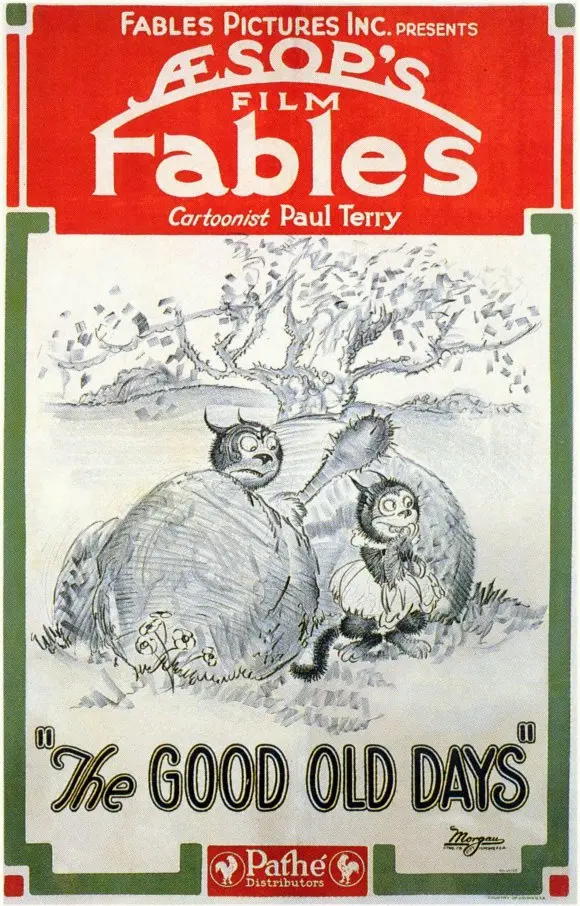
So, is Aesop's Film Fables: Good Old Days worth watching today? Short answer: yes, but with a significant caveat. This early animated short is a fascinating artifact, a poignant, albeit simplistic, examination of human nature that surprisingly holds a mirror to contemporary societal anxieties. It's a film for those who...
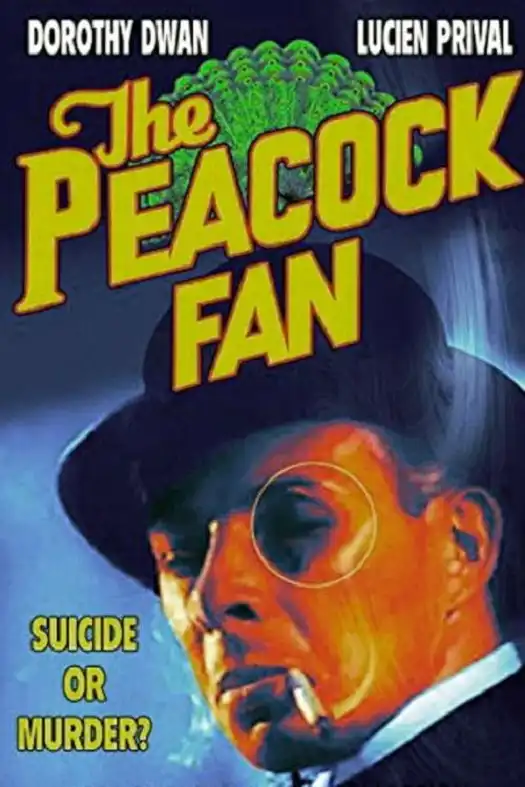
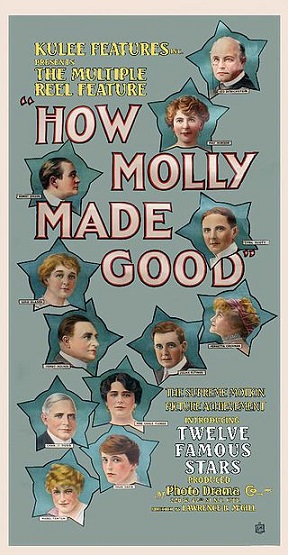
Comparing the cinematic DNA and archive impact of two defining moments in cult history.
Unknown Director

Unknown Director
Community
Log in to comment.
"So, is Aesop's Film Fables: Good Old Days worth watching today? Short answer: yes, but with a significant caveat. This early animated short is a fascinating artifact, a poignant, albeit simplistic, examination of human nature that surprisingly holds a mirror to contemporary societal anxieties. It's a film for those who appreciate the foundational elements of animation and allegorical storytelling, for cinephiles interested in the roots of narrative film, and for anyone seeking a gentle, thought-..."