DbcultAccessing Vault...
Cult Review
Senior Film Conservator
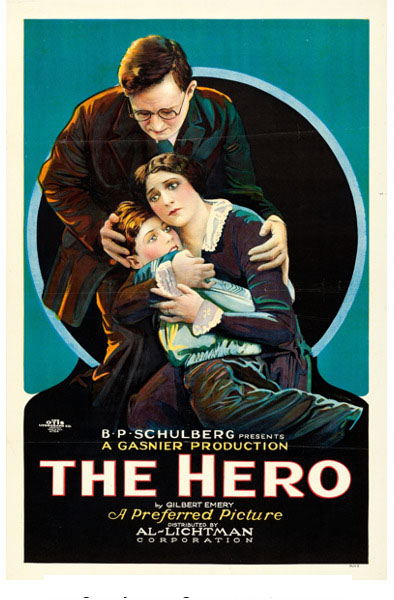
The Hero (1924) emerges as a masterclass in silent cinema's capacity to dissect the human soul without uttering a single word. Directed with surgical precision by Gilbert Emery and Eve Unsell, this 1920s drama constructs a chilling portrait of a man whose heroism is both his armor and his prison. The film's enduring resonance lies in its unflinching examination of how societal adoration can corrupt the very individuals it elevates.
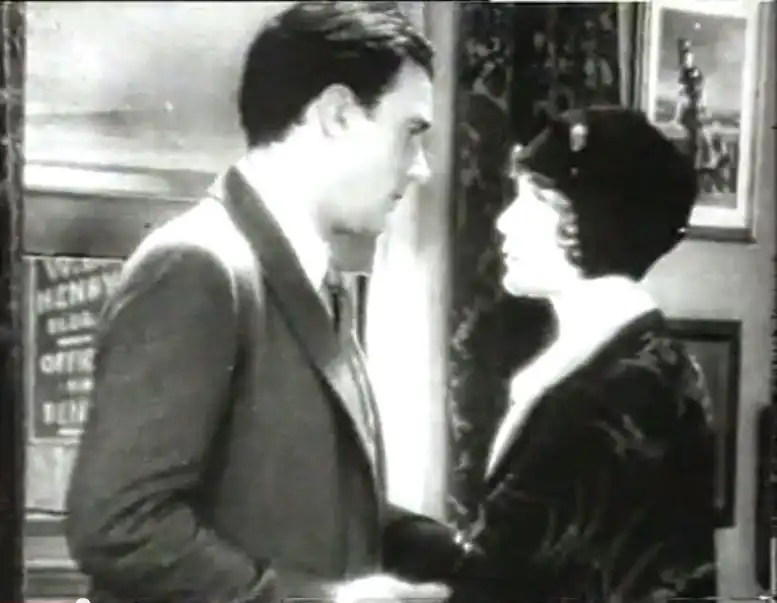
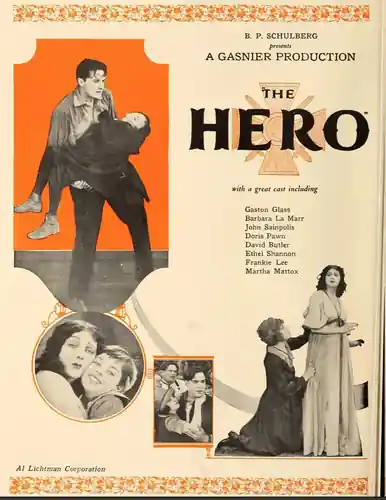
Gaston Glass delivers a tour de force performance as Oswald Lane, channeling the swagger of a man who conflates public acclaim with personal virtue. His portrayal is a study in contrasts—eyes alight with the fire of self-mythology yet shadowed by the creeping doubt of a man who has weaponized his war experiences for social capital. The chemistry between Glass and Barbara La Marr as Martha is electric, their scenes charged with a raw sensuality that underscores the film's central tension between authenticity and artifice.
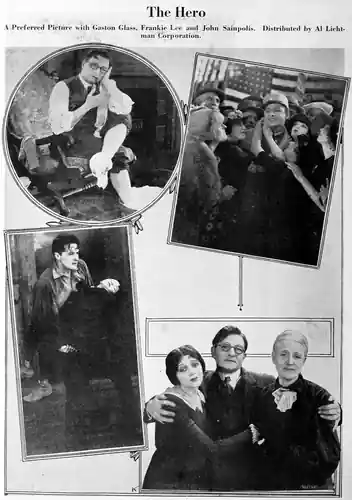
What elevates The Hero beyond mere melodrama is its structural audacity. The narrative pivots on a single, devastating act of heroism that paradoxically strips Oswald of his physical and moral invincibility. The fire sequence—where Oswald's last-minute rescue of children becomes both his salvation and damnation—is staged with Hitchcockian suspense, the camera lingering on the grotesque beauty of his burns as a metaphor for spiritual scarring. This visual poetry recalls the existential despair of The Mysteries of Myra while pioneering themes later explored in God of Little Children.
The film's most audacious choice lies in its refusal to sanitize Oswald's journey. His eventual confrontation with his brother Andrew (John St. Polis) is a masterclass in silent dialogue, the actors' glances speaking volumes about familial obligation and moral bankruptcy. The skin-grafting scene, a literal transfer of flesh and metaphorical exchange of guilt, achieves operatic dimensions. This sequence prefigures the body horror tropes of Der Bär von Baskerville while maintaining a uniquely human emotional core.
Barbara La Marr's Martha is more than a love interest—she becomes the silent film's tragic chorus, her Belgian accent and reserved demeanor contrasting with Oswald's performative masculinity. Her scenes with Martha Mattox's Hester form an unspoken triangle of female resilience against male fragility. This dynamic anticipates the complex female relationships in Hearts and Diamonds, though with a far more cynical view of gender politics.
Technically, The Hero is a marvel of silent film craftsmanship. The use of chiaroscuro in the fire sequences creates a visual language of moral ambiguity, while the editing rhythms—particularly during the theft of church funds—anticipate the suspense techniques of later Hitchcock thrillers. The absence of intertitles in key emotional beats (notably Hester's silent confrontation with Oswald) allows the actors' physicality to carry the narrative weight, a technique that would be refined in The Come-Back.
What sets this film apart in the silent drama canon is its unflinching exploration of institutional complicity. The church funds theft isn't just personal greed—it's a critique of how sacred institutions can be exploited by those they lionize. This theme finds parallel in the financial transgressions of Stolen Hours, though with darker consequences for the protagonist.
The film's denouement—where Oswald's redemption hinges on physical transformation and financial restitution—offers no easy absolution. Instead, it presents a haunting meditation on the impossibility of true redemption in a society that conflates appearance with authenticity. This existential ambiguity would later inform the moral frameworks of Grim Justice and Young Mr. Jazz, yet retains a uniquely 1920s melancholy.
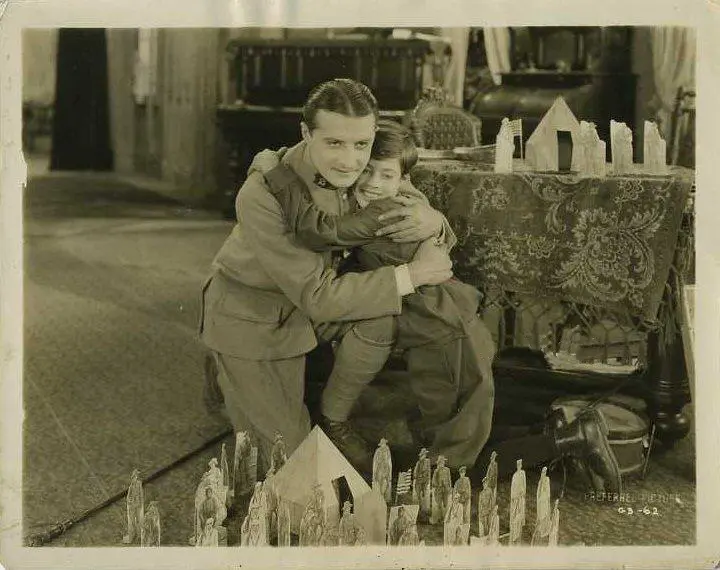
In revisiting The Hero through a contemporary lens, one cannot ignore its prescient commentary on celebrity culture. Oswald's journey mirrors modern concerns about influencer ethics and the commodification of personal trauma. The film's exploration of how public perception can distort private morality finds eerie resonance in the age of social media, though its silent-era austerity prevents didacticism.
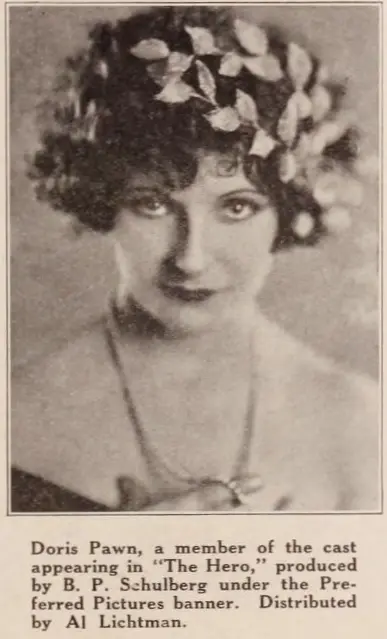
The supporting cast deserves particular praise. John St. Polis as Andrew embodies stoic integrity without slipping into sanctimony, his quiet strength providing a counterpoint to Oswald's performative heroism. Martha Mattox's Hester is a revelation in restrained emotion, her glances conveying a world of marital disillusionment. This ensemble work elevates the film into the realm of classic tragedy, where every character is both participant and observer in the moral decay.
Visually, the film is a masterclass in composition. The use of mirrors in Oswald's scenes with Hester becomes a recurring motif for self-obsession, while the burned state of his body in the final act literalizes his moral disintegration. These visual metaphors anticipate the symbolic richness of Ce qu'on voit while maintaining the starkness essential to silent storytelling.
What remains most striking about The Hero is its refusal to sentimentalize redemption. Unlike the more conventional morality tales of the era, this film understands that true transformation requires more than good deeds—it demands a fundamental reordering of one's values. This philosophical depth, combined with its technical innovation, secures The Hero's place among the most important silent dramas. Its legacy can be traced in the complex antiheroes of The Cheater and Sins of Her Parent, yet it remains singular in its unflinching gaze.
In conclusion, The Hero (1924) is not merely a relic of silent cinema but a timelessly resonant exploration of human frailty. Its lessons on the dangers of conflating public image with personal virtue remain urgently relevant, its technical achievements paving the way for modern narrative techniques. For students of film and casual viewers alike, this masterpiece demands rediscovery and reconsideration in our age of performative morality.

IMDb 6.2
1920
Community
Log in to comment.