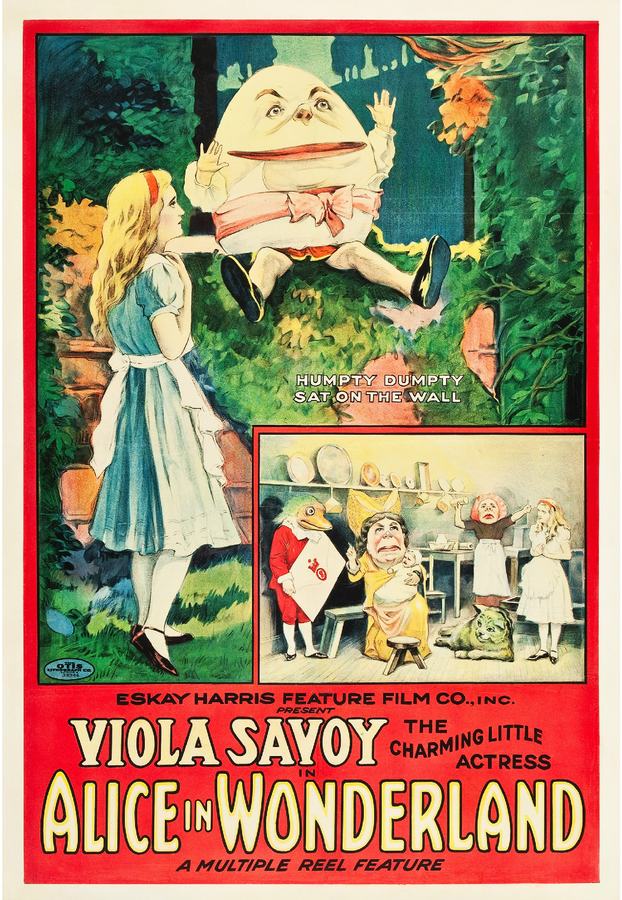
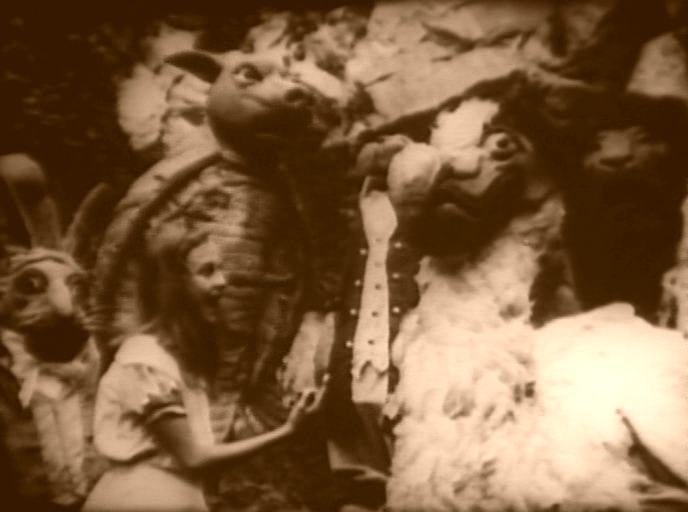
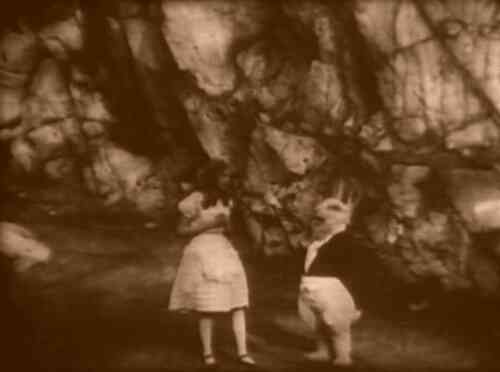
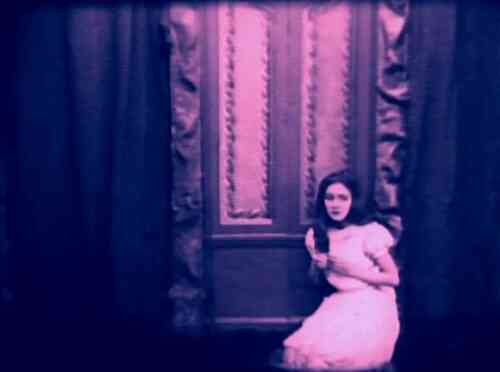
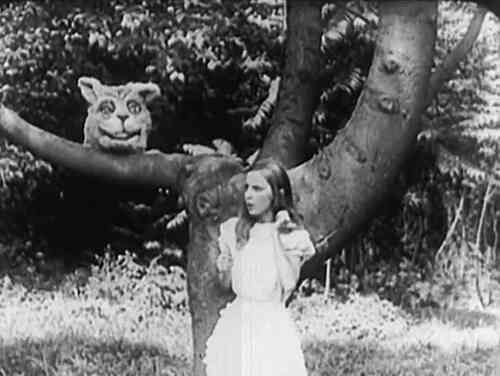
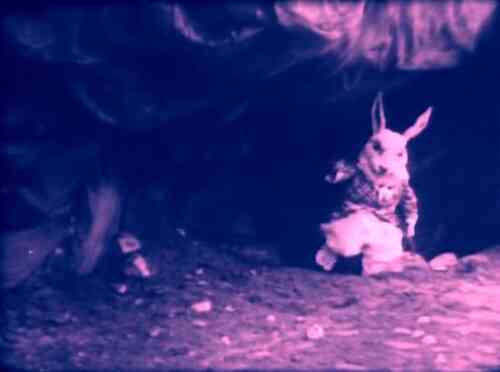
Alice goes with her sister to a picnic and then she falls asleep and starts dreaming about a wonderland full of talking animals and walking playing cards..
DeWitt C. Wheeler, W.W. Young, Lewis Carroll
United States
A nitrate rabbit-hole opens at 18 fps and the world tilts. Released in December 1915, when Europe’s trenches were already brimming with the empirical waste of colonial certainty, Alice in Wonderland arrives like a lantern-slide from the collective unconscious—a 52-minute protest stitched together from Lewis Carroll’s ...
still_frame
still_frame
still_frame
still_frame
still_frame
still_frame
still_frame
still_frame
Community
Log in to comment.
" A nitrate rabbit-hole opens at 18 fps and the world tilts. Released in December 1915, when Europe’s trenches were already brimming with the empirical waste of colonial certainty, Alice in Wonderland arrives like a lantern-slide from the collective unconscious—a 52-minute protest stitched together from Lewis Carroll’s subversive syllogisms and the nascent grammar of cinematic montage. What sounds on paper like a kiddie matinee becomes, in the hands of writer-director W.W. Young, a fugitive pamph..."