Summary
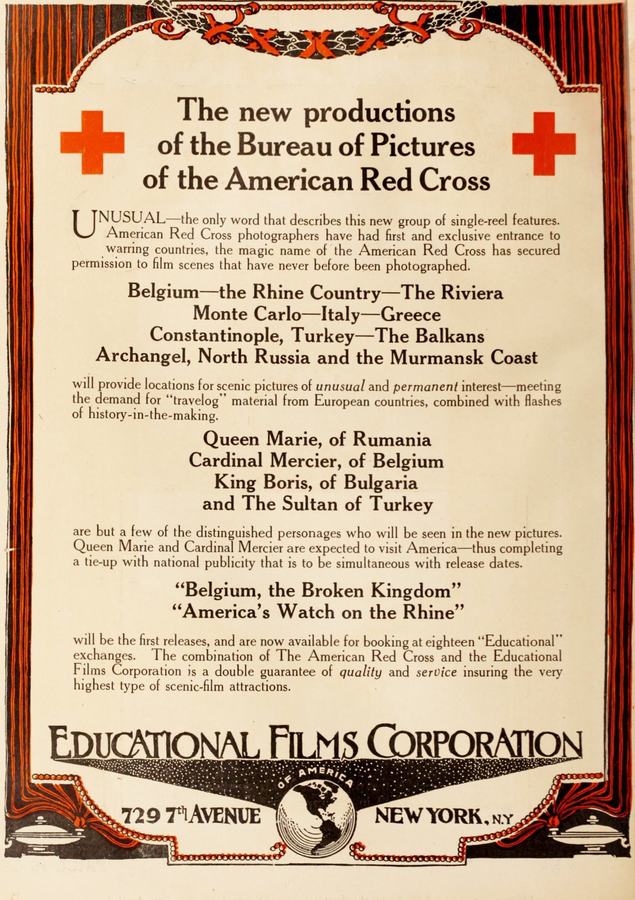
In the fractured, somber aftermath of World War II, 1947, amidst the skeletal grandeur of occupied Germany, Adrian Beaumont's "America's Watch on the Rhine" plunges us into a labyrinthine world of espionage and existential dread. Major Evelyn Reed (Eleanor Vance), an OSS veteran whose sharp intellect is matched only by her profound disillusionment, arrives in Heidelberg, tasked with investigating a series of disquieting anomalies: the vanishing of eminent former Nazi scientists, a burgeoning black market in pre-war industrial patents, and the chilling whispers of a resurgent, malevolent ideology. Reed, a woman forged in the crucible of clandestine warfare, swiftly discerns that these are not isolated incidents but tendrils of a far more sinister design. She unearths "Iron Weave," a shadowy cabal comprising disillusioned ex-SS officers, opportunistic German industrialists, and even compromised elements within the Allied occupation itself, all coalescing around a singular, terrifying objective: to resurrect a pan-European nationalist movement, subtly buttressed by a nascent global power, and to acquire an ultimate weapon. Their prize: Dr. Klaus Richter (Lars Kessel), a reclusive, brilliant physicist holding the key to weaponizing a revolutionary energy source. Reed's relentless pursuit, fraught with moral ambiguities and bureaucratic obstruction, forces her into an uneasy alliance with Captain Thomas Miller (Samuel Thorne), a by-the-book military intelligence officer whose idealism frequently chafes against Reed's pragmatic cynicism. Their investigation navigates the scarred landscape of a continent still bleeding, from the opulent, decaying estates that harbor clandestine meetings to the desolate, bombed-out ruins concealing dark secrets. The narrative crescendos in a breathtaking, desperate confrontation within an abandoned U-boat pen along the Rhine, where Richter is being coerced to finalize his apocalyptic work. Reed and Miller must outmaneuver betrayals from within their own ranks and confront the chilling reality that victory in war does not always extinguish the seeds of future conflict, but merely reconfigures their insidious growth. The film culminates not in triumph, but in a somber, hard-won stalemate, leaving Reed burdened by the profound weight of her discoveries, the moral compass of a broken world spinning wildly in the long shadow of the Cold War's nascent dawn.
Review Excerpt
"
A Taut Tapestry of Treachery and Timeless Tension
Adrian Beaumont's "America's Watch on the Rhine" is not merely a film; it is a meticulously crafted historical artifact, a chilling prognostication of the shadowy decades that followed World War II. Released in a cinematic landscape often dominated by overt action or saccharine romance, Beaumont's work stands as a stark, uncompromising testament to the moral ambiguities and psychological scars etched upon the European continent. It mast..."