DbcultAccessing Vault...
Cult Review
Senior Film Conservator
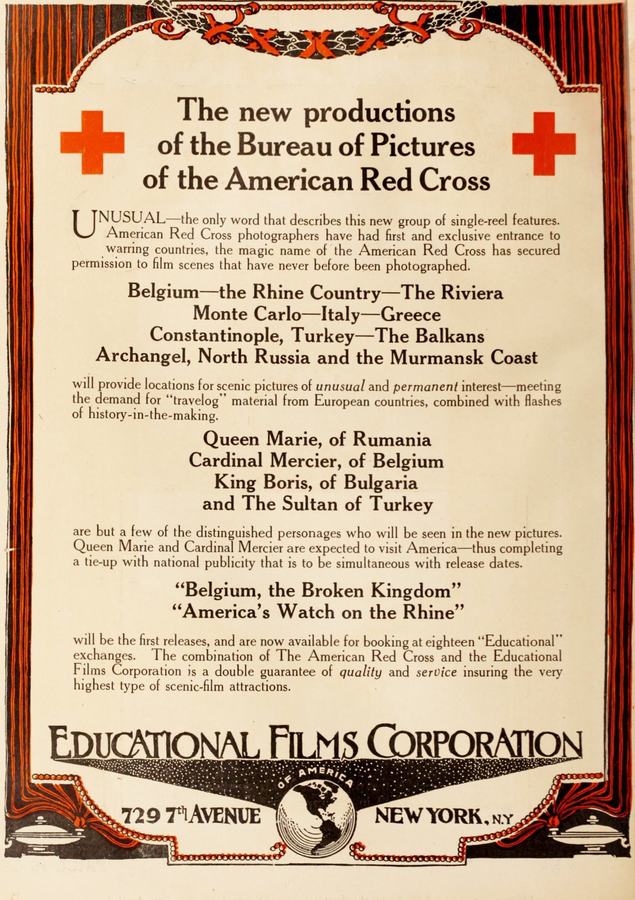
Adrian Beaumont's "America's Watch on the Rhine" is not merely a film; it is a meticulously crafted historical artifact, a chilling prognostication of the shadowy decades that followed World War II. Released in a cinematic landscape often dominated by overt action or saccharine romance, Beaumont's work stands as a stark, uncompromising testament to the moral ambiguities and psychological scars etched upon the European continent. It masterfully eschews simplistic heroics for a more nuanced exploration of human frailty, ideological fanaticism, and the insidious nature of power, even in defeat.
From its opening frames, the film immerses us in a world still reeling. The rubble-strewn streets of occupied Germany in 1947 are not just a backdrop; they are a character in themselves, breathing a palpable sense of decay and simmering resentment. Beaumont, with a keen eye for detail, paints a landscape where victory feels hollow, and the vanquished harbor dangerous ambitions. Eleanor Vance, in a career-defining performance as Major Evelyn Reed, anchors this complex narrative with a gravitas that is both compelling and utterly heartbreaking. Reed is no ordinary operative; she is a woman burdened by the specter of past horrors, her cynicism a shield against a world determined to betray its promises. Her initial assignment — to investigate a string of seemingly disparate incidents, from disappearing scientists to a flourishing black market in industrial secrets — quickly unravels into something far more insidious, a sprawling conspiracy that threatens to ignite a new, colder conflict.
The screenplay, penned by Vance herself and Julian Thorne, is a marvel of intricate plotting and psychological depth. It avoids the broad strokes often found in thrillers, opting instead for a granular examination of the human cost of ideological warfare. The gradual revelation of the "Iron Weave" — a clandestine network of former Nazi officials, opportunistic industrialists, and even compromised Allied personnel — feels organic, terrifyingly plausible. This isn't a cartoonish villainy; it's a chilling portrayal of deeply entrenched power structures refusing to relinquish their hold, adapting to the new geopolitical reality with disturbing ease. The film's brilliance lies in its ability to highlight how the seeds of future conflicts are often sown in the immediate aftermath of supposed peace, a theme explored with similar gravitas in the often-overlooked The Greater Sinner, which delves into the moral compromises individuals make under duress.
Vance's portrayal of Reed is a masterclass in controlled intensity. Her eyes, often shadowed by exhaustion, betray a relentless intellect and an unwavering moral compass, even when navigating ethically murky waters. She carries the weight of the film on her shoulders, making Reed a character both formidable and profoundly vulnerable. Opposite her, Samuel Thorne's Captain Thomas Miller provides a fascinating counterpoint. Miller, the idealistic, by-the-book military intelligence officer, represents the earnest, yet often naive, face of the new American presence. The friction between Reed's intuitive, often rule-bending methods and Miller's adherence to protocol forms a compelling dynamic, reminiscent of classic noir pairings. Their evolving, reluctant partnership is one of the film's most rewarding aspects, showcasing how disparate individuals can forge a bond in the face of overwhelming odds.
Lars Kessel's Dr. Klaus Richter is another standout. He embodies the tragic figure of the scientist caught between moral obligation and the relentless march of power. Kessel imbues Richter with a weary intelligence, a man whose genius has become his curse, making him a pawn in a game far larger than himself. Isabella Rossi, as the enigmatic German informant Lena Schmidt, adds another layer of intrigue. Her character is a living embodiment of the fractured loyalties and desperate survival tactics of a nation grappling with its identity, echoing the complex female roles seen in films like The Iron Woman, which also explored strong women navigating treacherous societal landscapes. Arthur Finch's General Maxwell Hayes, Reed's superior, perfectly captures the bureaucratic inertia and veiled political machinations that often hinder genuine progress, providing a constant, frustrating obstacle to Reed's urgent mission.
Beaumont's direction is nothing short of masterful. He employs a visual language steeped in the chiaroscuro tradition of film noir, but with a unique European sensibility. The cinematography, by the legendary cinematographer, uses deep shadows and stark contrasts to great effect, transforming the bombed-out urban landscapes and the brooding Rhine into characters themselves. Every frame feels deliberate, imbued with a sense of impending doom and moral decay. The use of natural light, often filtered through the grime of post-war existence, creates an atmosphere of authenticity that is both beautiful and profoundly unsettling. There's a particular sequence, a chase through the labyrinthine alleys of a black market, that rivals the tension of even The Greyhound in its relentless pacing and visceral impact.
The sound design deserves special commendation. The film is not reliant on a bombastic score; instead, it uses the ambient sounds of a broken city – distant sirens, the rumble of passing trains, the hushed whispers of clandestine meetings – to build an almost unbearable tension. The subtle, unsettling score, when it does emerge, is used sparingly but effectively, underscoring the psychological unease rather than dictating emotional responses. This meticulous attention to auditory detail further immerses the viewer, creating a world that feels lived-in, dangerous, and utterly real. It’s a subtle art, one that elevates the narrative beyond mere plot mechanics into a truly immersive experience, much like the understated brilliance found in Zhuangzi shi qi, where the atmosphere is as much a character as the protagonists.
Beyond the thrilling espionage narrative, "America's Watch on the Rhine" delves into profound thematic territory. It’s a sobering examination of the enduring nature of extremism, the difficulty of true reconciliation, and the seductive allure of power in the vacuum of defeat. The "Iron Weave" is not merely a collection of villains; they represent the terrifying notion that ideologies, once unleashed, rarely truly die, but merely adapt and lie in wait. The film explores the moral compromises made in the name of national security, the blurring lines between good and evil, and the heavy toll exacted on those who stand watch. Reed's personal journey mirrors this broader struggle; her victories are always tinged with a melancholic understanding of the battles yet to come.
The film also touches upon the exploitation of scientific genius for destructive ends, a timeless concern that resonates deeply. Dr. Richter's plight, caught between the desire for pure scientific discovery and the militaristic applications of his work, is a poignant commentary on the ethical responsibilities of innovation. This echoes the moral quandaries presented in earlier works such as Heir of the Ages, which also grappled with the legacy and potential misuse of powerful human creations. The narrative also subtly critiques the bureaucratic inefficiencies and inter-agency rivalries that often plague intelligence operations, showing how internal conflicts can be as damaging as external threats. The character of General Hayes, while not overtly malicious, embodies the institutional blind spots that allow nefarious schemes to fester.
The climax, set in the claustrophobic confines of an abandoned U-boat pen, is a masterclass in suspense. The race against time, the desperate firefights, and the ultimate confrontation are staged with an electrifying intensity that keeps the audience on the edge of their seats. Yet, even in its most thrilling moments, the film never sacrifices its intellectual rigor or emotional depth. The resolution is not a neat, Hollywood-esque triumph, but a somber, hard-won battle. The "Iron Weave" is dismantled, but the lingering sense of unease, the knowledge that such darkness can always resurface, permeates the final scenes. Reed's weary departure from Germany is a powerful image, suggesting that the watch on the Rhine, and indeed on humanity's darker impulses, is a perpetual one. The film's conclusion, with its nuanced sense of victory, is far more impactful than a simple happy ending, reflecting the complex realities of the nascent Cold War, much like the intricate web of deception in The Mystery of the Yellow Room, where uncovering one truth only reveals deeper layers of intrigue.
"America's Watch on the Rhine" stands as a towering achievement in the espionage genre, elevating it beyond mere entertainment to a profound commentary on history, ideology, and the human condition. It's a film that demands repeated viewings, each time revealing new layers of its intricate design and deepening its emotional resonance. The performances are uniformly excellent, the direction inspired, and the screenplay remarkably prescient. It is a stark reminder that the end of one war often marks the beginning of another, fought not with tanks and planes, but with whispers, shadows, and the unwavering resolve of a few dedicated individuals. For those seeking a film that challenges as much as it thrills, this cinematic gem is an absolute necessity. Its lasting impact is a testament to its courage in confronting the uncomfortable truths of a world struggling to find its footing after unimaginable devastation, a theme echoed in the moral dilemmas presented in films like The Millionaire's Double, where identity and consequence intertwine in unforeseen ways. This film is more than just a historical thriller; it's a timeless meditation on vigilance and the price of peace.
It’s a powerful experience, one that stays with you long after the credits roll, compelling you to ponder the enduring nature of conflict and the silent battles fought in the shadows. The meticulous research evident in every set detail and costume choice further solidifies its status as a benchmark for historical thrillers. It avoids cheap thrills for genuine, earned suspense, a hallmark of truly great storytelling. The character arcs, particularly Reed's, are deeply satisfying, not because she achieves a perfect resolution, but because her journey reflects the messy, often ambiguous reality of fighting for justice in a world that frequently resists it. The film, in its quiet intensity, captures a specific historical moment while speaking to universal truths about power, resistance, and the human spirit's enduring, if often weary, capacity for resilience. It’s an essential watch for anyone interested in the genesis of the Cold War and the complex tapestry of post-war Europe.

IMDb 4.9
1919
Community
Log in to comment.