Summary
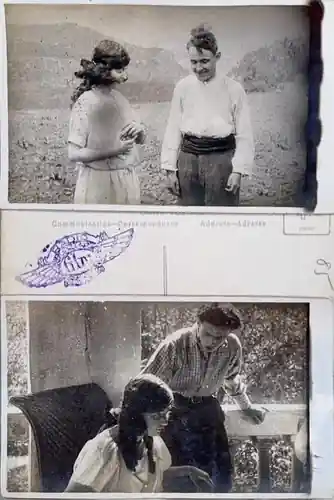
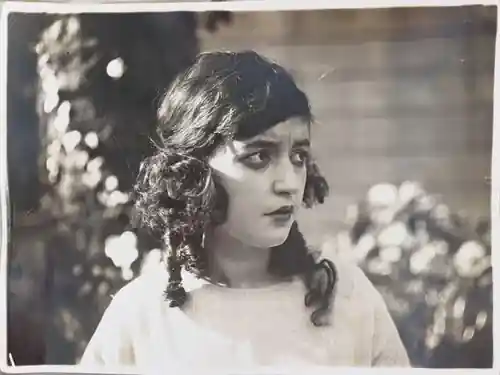
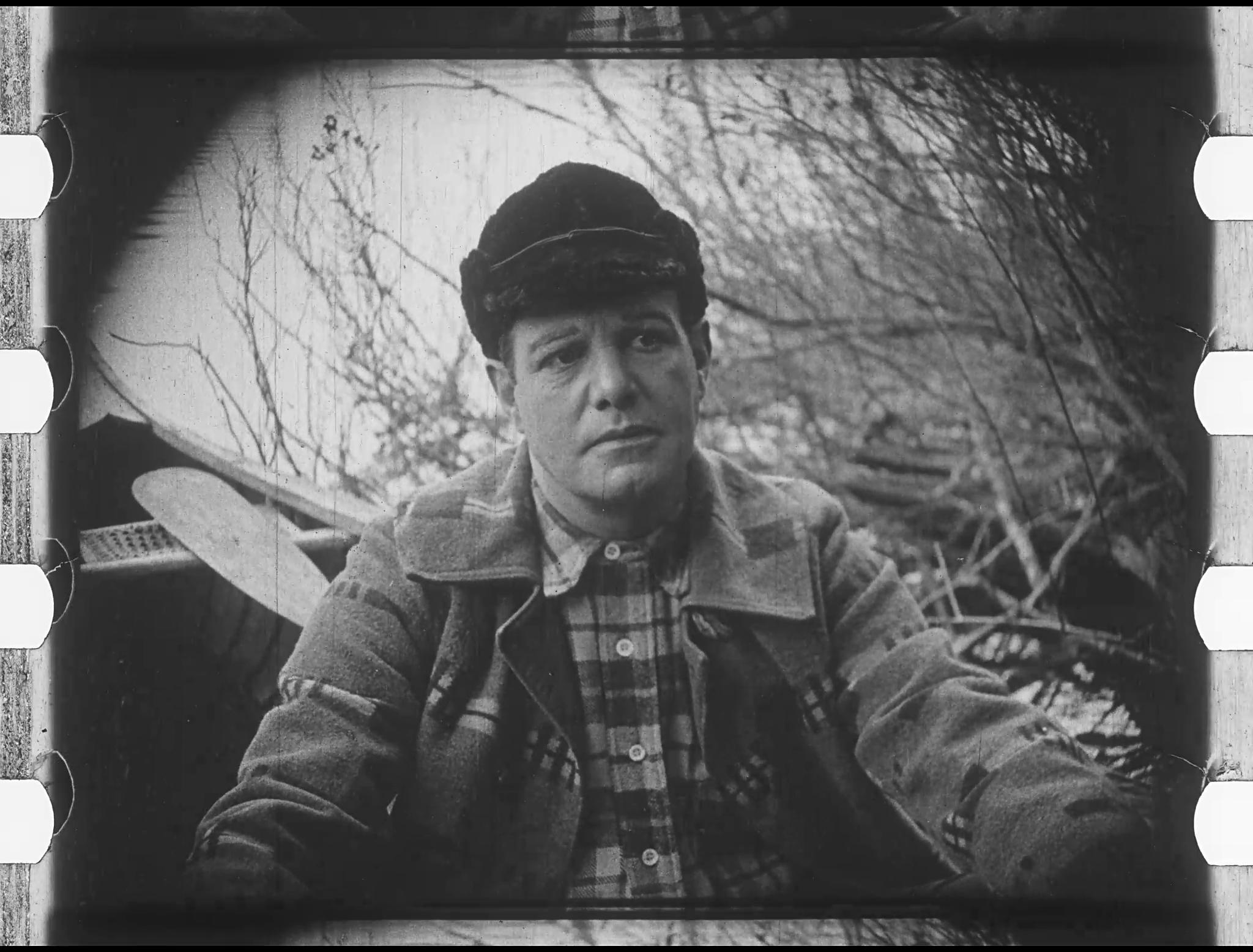
In a sun‑bleached valley where the earth yields its bounty with stubborn generosity, the narrative of *Amor de campesino* unfurls like a pastoral tapestry. Elena Martínez, the pampered daughter of a metropolitan magnate, arrives in the rustic hamlet of San Lucero under the pretense of a charitable venture, yet her heart carries the restless echo of urban ennui. She encounters Joaquín Ruiz, a weather‑worn farmer whose hands are perpetually stained with the ochre of tilled soil, and whose eyes betray a quiet reverence for the land’s cyclical rhythm. Their initial encounter is marked by a clash of worlds: Elena’s silk‑clad sensibilities collide with Joaquín’s pragmatic stoicism, prompting a series of misunderstandings that oscillate between comedic friction and poignant revelation. As the seasons turn, Elena is thrust into the quotidian hardships of agrarian life—her silk dresses become patched, her refined palate adapts to rustic fare, and she learns the language of the wind whispering through wheat stalks. Joaquín, in turn, is drawn into the luminous allure of Elena’s cosmopolitan intellect, discovering in her a curiosity that transcends mere novelty. Their relationship deepens through shared labor: planting seedlings at dawn, harvesting under a bruised dusk, and navigating the village’s intricate social fabric, where gossip circulates as swiftly as the river’s current. The film’s secondary threads interweave through a cast of vivid characters—Miguel Bassols as Don Carlos, the patriarch whose wealth masks a yearning for authenticity; Martín Aguyé as Padre Mateo, the village priest whose sermons echo the tension between tradition and progress; and Viola González as María, Elena’s confidante, who bridges the gap between city and countryside with sardonic wit. A climactic harvest festival becomes the crucible where love, duty, and identity converge; Elena must decide whether to return to the glittering towers of her upbringing or remain rooted in the soil that has reshaped her soul. The denouement, neither melodramatic nor saccharine, presents a nuanced compromise: Elena establishes a cooperative that marries modern agricultural techniques with the community’s time‑honored practices, symbolizing a synthesis of her dual inheritances. The film concludes with a lingering tableau of Elena and Joaquín standing side by side, silhouetted against a twilight sky, their silhouettes merging like the interlaced rows of a well‑tended field.
A rich city girl falls in love with a farmer.
Review Excerpt
"
A Tale of Two Terrains
From the opening frame, the camera lingers on the stark contrast between the glittering skyline that haunts Elena’s memories and the ochre‑washed horizons of San Lucero. The director, Juan Viñals Solá, employs a visual dialect that feels almost painterly: wide‑angle shots of endless fields are juxtaposed with tight, claustrophobic close‑ups of Elena’s silk‑clad silhouette, underscoring the dissonance between her former life and the world she is thrust into.
Performa..."