DbcultAccessing Vault...
Cult Review
Senior Film Conservator

From the opening frame, the camera lingers on the stark contrast between the glittering skyline that haunts Elena’s memories and the ochre‑washed horizons of San Lucero. The director, Juan Viñals Solá, employs a visual dialect that feels almost painterly: wide‑angle shots of endless fields are juxtaposed with tight, claustrophobic close‑ups of Elena’s silk‑clad silhouette, underscoring the dissonance between her former life and the world she is thrust into.
Miguel Bassols delivers a nuanced portrayal of Don Carlos, the affluent patriarch whose dispassionate demeanor masks a deep, unspoken longing for authenticity. His measured cadence and lingering glances convey a man who, despite his wealth, feels adrift in a world that values surface over substance. In stark contrast, Martín Aguyé’s Padre Mateo embodies the village’s moral compass, his sermons resonating with the same cadence as the wind rustling through corn stalks. The priest’s dialogue, peppered with biblical allusions, subtly critiques the very class divisions that Elena embodies.
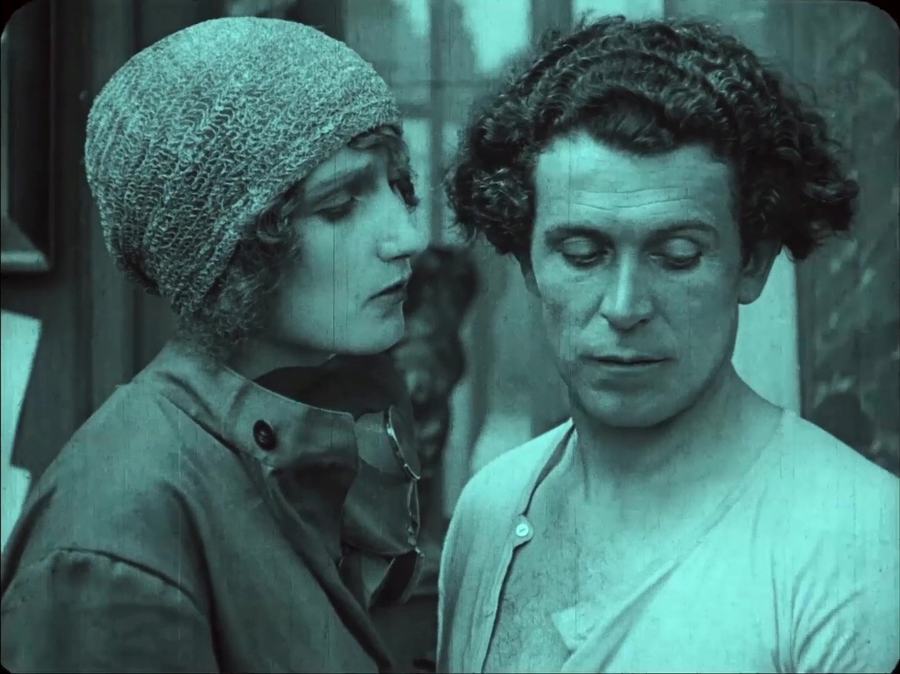
But it is the chemistry between Luis Forasté (Joaquín) and Pablo Soriano (Elena) that forms the film’s beating heart. Forasté’s portrayal is a masterclass in restrained intensity; his eyes, often half‑closed, reveal an inner world shaped by years of toil. Soriano, meanwhile, navigates Elena’s transformation with a deft balance of vulnerability and resolve. Their interactions are choreographed with a rhythm that feels organic—no grand gestures, only the quiet exchange of glances, the tentative brush of fingertips over a seedling, the shared breath as they watch a storm roll across the plains.
At its core, *Amor de campesino* is a meditation on the permeability of social boundaries. Elena’s initial condescension is not merely personal arrogance; it mirrors a broader societal tendency to romanticize rural life while simultaneously exploiting it. The film deftly avoids didacticism, instead allowing the narrative to unfold through lived experience. When Elena attempts to introduce modern irrigation techniques, she confronts resistance not out of stubbornness but because the villagers fear eroding their ancestral connection to the land.
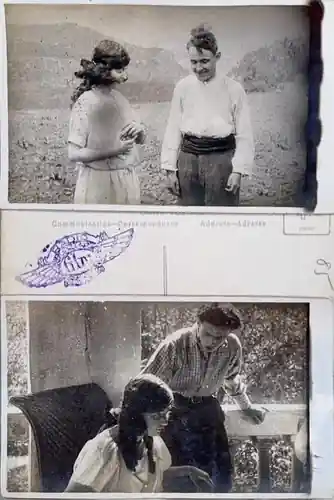
This tension recalls the thematic concerns of The Girl Who Stayed at Home, where a similar clash between progress and tradition is explored. However, where that film leans toward melancholy, *Amor de campesino* offers a more hopeful resolution, suggesting that synthesis—not domination—is possible.
The film’s visual palette is a study in chiaroscuro, employing the deep blacks of night to amplify moments of introspection. Daylight scenes are bathed in a warm, amber hue that mirrors the earth’s own tones, while twilight sequences employ the sea‑blue of the approaching night to evoke a sense of lingering uncertainty. The use of color is intentional: the dark orange of the title’s motif (#C2410C) reappears in the glow of lanterns during the harvest festival, symbolizing the ember of love that persists amid hardship.
Camera movement is deliberately unhurried. Long, tracking shots follow Elena as she walks the furrows, allowing the audience to experience the physicality of her labor. The occasional handheld tremor during moments of emotional turbulence adds a visceral immediacy, reminding viewers that love, like farming, is a labor of both patience and perseverance.
The auditory texture of the film is as layered as its visual composition. Traditional folk instruments—mandolins, flutes, and the resonant timbre of a lone guitarra—interweave with a subtle orchestral score that swells during moments of emotional climax. The sound of cicadas at dusk, the distant lowing of cattle, and the rhythmic thud of a hoe striking soil become leitmotifs that underscore the narrative’s grounding in the natural world.
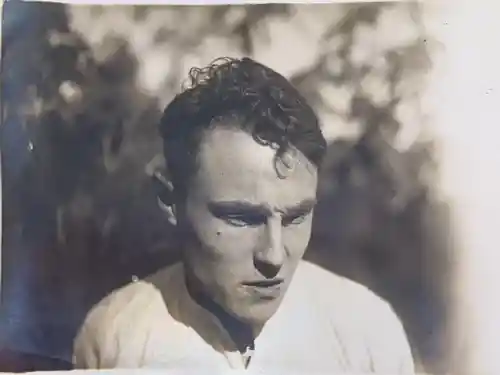
In a particularly striking sequence, the silence that follows a sudden summer storm is broken only by the soft rustle of leaves, emphasizing the characters’ internal quietude after external turbulence—a technique reminiscent of the auditory restraint employed in Bullets and Brown Eyes.
The screenplay, also penned by Viñals Solá, unfolds in a deliberate, almost literary rhythm. The first act establishes Elena’s alienation; the second act immerses her in the rhythms of agrarian life; the third act culminates in the harvest festival, a narrative fulcrum where personal and communal stakes converge. This three‑act structure mirrors the agricultural cycle—planting, nurturing, reaping—thereby reinforcing the film’s central metaphor.
While some critics might argue that the pacing drags during the middle sections, the deliberate slowness serves a purpose: it allows the audience to inhabit the same temporal space as the characters, feeling the weight of each sunrise and the patience required to coax life from the soil.
When placed alongside earlier works such as Fighting Mad (1919) or A Woman Alone, *Amor de campesino* distinguishes itself through its modern sensibility. It eschews the melodramatic tropes of its predecessors, opting instead for a nuanced exploration of socioeconomic disparity that feels contemporary yet timeless.
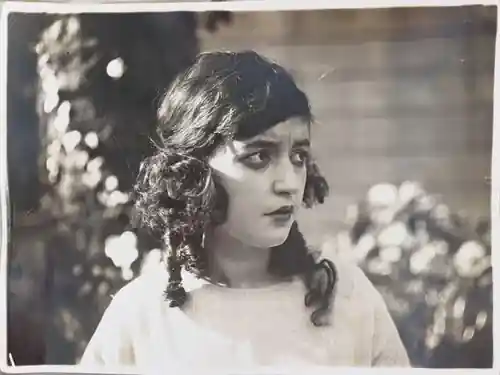
Moreover, the film’s portrayal of cooperative agriculture as a bridge between Elena’s urban expertise and Joaquín’s rustic wisdom offers a progressive vision absent from many classic rural romances, where the city dweller often remains a peripheral observer.
The set designers meticulously reconstructed a working farm, complete with period‑accurate tools, weathered wooden barns, and a communal well that serves as a gathering point for villagers. The authenticity extends to costuming: Elena’s transition from silk gowns to hand‑stitched dresses mirrors her internal metamorphosis, while Joaquín’s attire—worn denim, leather boots, and a weather‑beaten hat—reinforces his groundedness.
Even the props carry symbolic weight. A cracked ceramic jar, found in the kitchen of Elena’s temporary lodging, becomes a recurring motif representing the fragility of cultural exchange; each time it appears, a moment of tension or understanding follows.
Set against the backdrop of contemporary Spain’s rural depopulation crisis, the film subtly engages with pressing social issues. By portraying a cooperative model that revitalizes the local economy, *Amor de campesino* offers a cinematic blueprint for sustainable development, echoing real‑world initiatives that aim to reverse the exodus of youth from agrarian regions.

In doing so, it aligns with the ethos of films like Mother Eternal, which also intertwine personal narratives with broader societal commentary.
The film succeeds on multiple fronts: it delivers a compelling love story without succumbing to saccharine clichés; it offers a visual feast that celebrates the textures of both city and countryside; and it engages intellectually with themes of class, sustainability, and cultural exchange. The supporting cast enriches the tapestry, each character contributing a distinct hue to the overall palette.
For viewers seeking a romance that feels earned, a meditation on the interdependence of humanity and the earth, and a cinematic experience that lingers like the scent of freshly turned soil, *Amor de campesino* stands as a testament to the power of storytelling rooted in authenticity.
Read more in‑depth analyses of related works: Tin Cans, Blind Man's Luck, Gossette.
IMDb 6.3
1933
Community
Log in to comment.