Summary
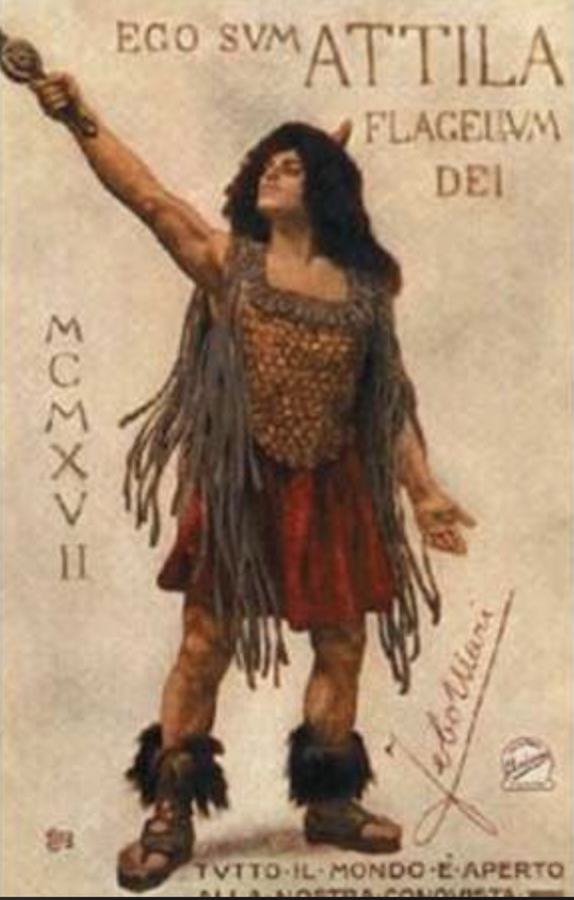
A spectral caravan of torches snakes across the Pannonian dusk, shadows lengthening like confession on the parched loam; this is not history’s bludgeoning Hun but a fever-dream Attila, half man, half omen, his face a cracked bronze mask through which the Volga wind seems to howl. He arrives not as conqueror but as interrogation—every village torch interrogates the dark, every woman’s veil interrogates the masculine myth. The film, an oneiric 1918 Italian canvas, abandons chronicle for incantation: a moon-drenched tent where pagan soothsayers scatter pigeon-bones across a map that keeps curling into Roman borders; a Christian slave—Maria Roasio’s luminous, mute Lucilla—whose downcast eyes refract empire like broken mosaics; a scorched bridal chest whose iron clasps still click with the heartbeat of a murdered child-bride. Attila’s own chieftains, Ferrero’s granite-visaged Bleda and Donadio’s wolf-eyed Ellac, circle him like vultures unsure whether to crown or disembowel, their whispered dialect a rusted blade scraping against the Latin hymns drifting from a distant, doomed cathedral. Time splinters: we jump from a blood-rimed dawn where white stallions are beheaded for prophecy, to a twilight bazaar where Ileana Leonidoff’s enigmatic priestess trades in hawk skulls and erotic lullabies, her body painted with ox-blood runes that rearrange themselves into the audience’s own reflection. The climactic battle is not clang of steel but slow erosion of identity—Attila, stripped of fur cloak, stands waist-deep in the Danube, water turning carnation-red, while mirrored legionaries (projected on overlapping celluloid) march backwards into his skin until he is legion, until he is absence. When the final intertitle card burns black, what remains is not the scourge of Rome but the scar on celluloid: a film that eats its own tail, a nomad epic that camps inside the viewer’s skull long after the projector lamp has cooled.
Review Excerpt
"
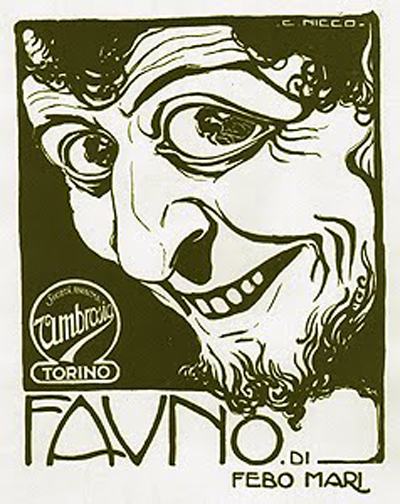
Celluloid shudders like a wounded ox when Febo Mari’s forgotten nitrate dream flickers to life.
Picture, if your retina dares, a 1918 Turin winter: frost etching cathedral panes, projectors humming like captive cicadas. In that hush, Attila, the Scourge of God unspools—not as textbook carnage but as hypnagogic fresco, its tints oxidized from blood-crimson to bile-green. The first miracle: Luigi Ferrero’s Attila never enters; he coalesces, silhouette detaching from a horse-blur until his cheekbo..."