DbcultAccessing Vault...
7.6/10
Senior Film Conservator
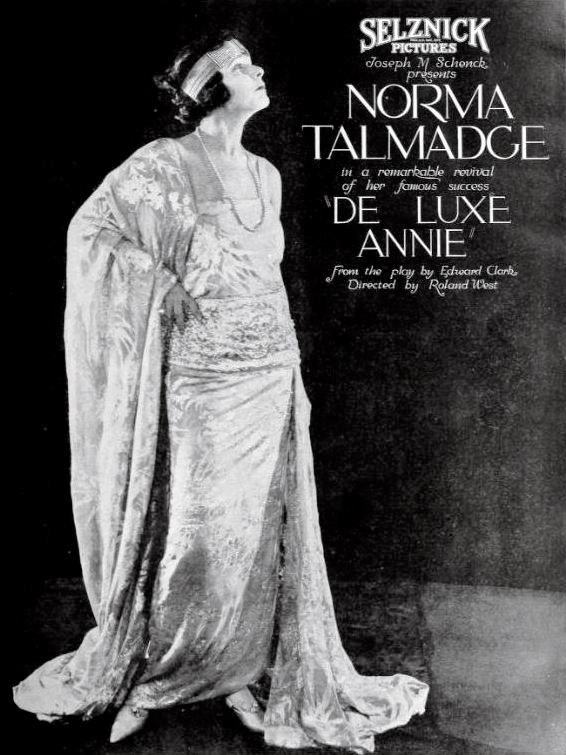
A definitive 7.6/10 rating for a film that redefined the boundaries of cult cinema. De Luxe Annie remains a cornerstone of transgressive art.
There’s a unique allure to the silent era, a cinematic language spoken through gesture, expression, and the rhythmic cadence of intertitles, that often feels more profound, more visceral, than the overt dialogue of contemporary cinema. 'De Luxe Annie,' a 1918 masterpiece featuring the luminous Norma Talmadge, stands as a testament to this power, weaving a complex narrative of identity, memory, and the unsettling consequences of a mind fractured by trauma. It’s a film that, even a century later, continues to resonate with a haunting psychological depth, challenging its audience to ponder the very essence of self and responsibility.
At its core, 'De Luxe Annie' is a study in duality, a stark portrayal of how circumstance, particularly the cruel hand of amnesia, can cleave a single soul into disparate, often conflicting, entities. We are introduced to Annie, seemingly a woman of conventional virtues, her life anchored by her husband and social circle. Her world, however, is brutally upended when a severe head injury obliterates her memory, stripping her of her past, her connections, and crucially, her moral compass. This isn't merely a plot device; it's a philosophical inquiry into what truly constitutes identity. Is it our memories, our relationships, or some intrinsic, unshakeable core? The film suggests a terrifying malleability, a void into which a completely new, unforeseen persona can bloom.
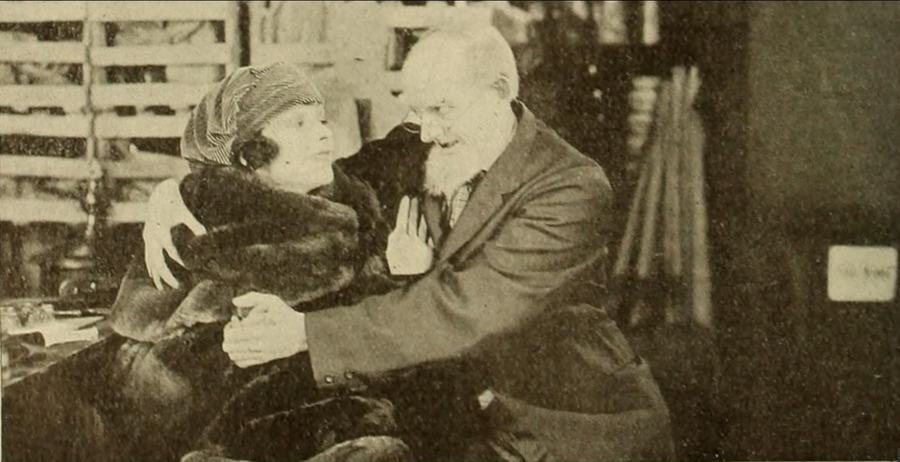
From the ashes of Annie’s forgotten life rises Elsie, a character diametrically opposed to her former self. Elsie is audacious, intelligent, and utterly ruthless – a master criminal who orchestrates elaborate schemes with a chilling precision. This transformation is not merely a change in occupation; it’s a complete metamorphosis of character. The film excels in depicting this evolution without resorting to cheap theatrics. Instead, it subtly builds Elsie’s criminal prowess, showing her meticulous planning and her ability to manipulate situations, often with an unnerving coolness. It's a fascinating, if unsettling, exploration of latent capabilities that might lie dormant within us, only to be unleashed under extreme conditions.
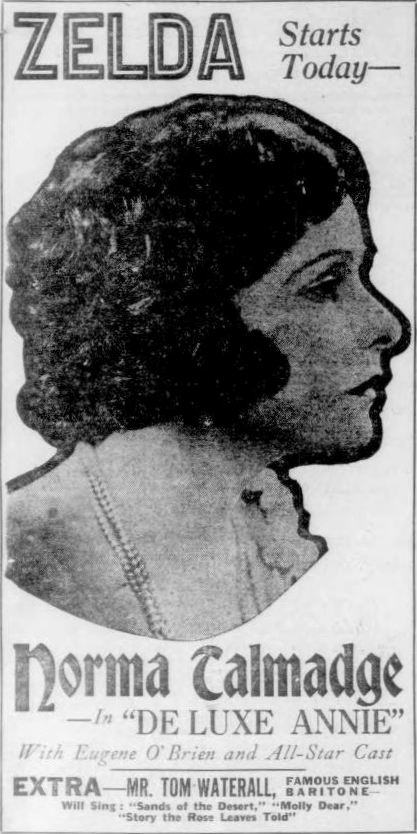
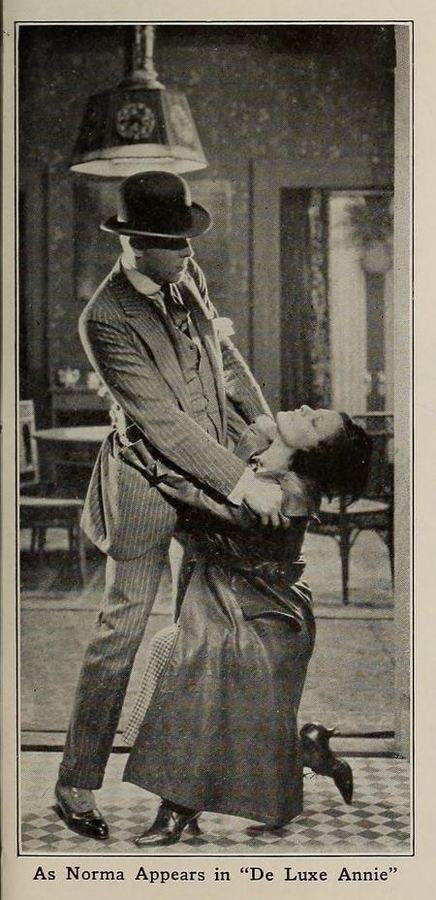
Norma Talmadge, in a performance that solidifies her status as a silent screen icon, navigates this treacherous psychological terrain with breathtaking skill. Her portrayal of Annie is one of delicate vulnerability, her eyes conveying a gentle spirit. But as Elsie, Talmadge embodies a different kind of power. Her posture shifts, her gaze hardens, and there’s a palpable air of cunning about her. It’s a masterclass in physical acting, where every subtle movement of her hands, every fleeting expression, communicates volumes about the woman she has become. The audience is left to marvel at the seamless, yet utterly distinct, portrayal of these two women inhabiting the same physical form.
The narrative’s true genius, and its most harrowing dilemma, emerges when Annie’s memory is miraculously restored through a brain operation. This is where the film transcends a simple crime drama and delves into profound ethical questions. The Annie who awakens is the original Annie, a woman with no recollection of Elsie’s criminal enterprises. Yet, she is now burdened with the consequences of actions she cannot remember committing, crimes perpetrated by a self she literally does not know. This presents a moral paradox: can one be held accountable for deeds committed in a state of complete amnesia? The film doesn't offer easy answers, instead forcing the audience to grapple with the uncomfortable implications.
The tension in the latter half of the film is not merely about Annie avoiding capture, but about her internal struggle. How does one reconcile a past that is simultaneously one’s own and utterly alien? How does a person rebuild a life when the foundation is tainted by forgotten transgressions? This internal conflict is exquisitely rendered, primarily through Talmadge’s nuanced expressions of bewilderment, fear, and a desperate yearning for justice, even if that justice implicates her own forgotten self. It’s a narrative arc that explores the very nature of guilt and innocence, suggesting that legal culpability and moral responsibility are not always perfectly aligned.
In this respect, 'De Luxe Annie' shares thematic echoes with other films that explore fractured psyches and the dark side of human nature, though perhaps less overtly fantastical than a film like The Sphinx, which leans into mystery, or the more direct moral quandaries presented in Treason. Here, the internal battle is paramount, making it a precursor to later psychological thrillers. The film forces us to consider the fragility of identity, a theme explored in various forms across cinematic history, but rarely with such a stark, almost clinical, examination of its origins in physical trauma.
Beyond its compelling narrative and central performance, 'De Luxe Annie' is a masterclass in silent film craftsmanship. The direction, attributed to Edward José, though often overshadowed by the star power of Talmadge, demonstrates a keen understanding of visual storytelling. The pacing is deliberate, allowing scenes to breathe and emotions to register without the need for expositional dialogue. The use of close-ups is particularly effective in conveying Annie’s internal turmoil, drawing the audience into her psychological labyrinth. The cinematography, though perhaps rudimentary by today's standards, is remarkably adept at establishing mood and atmosphere, from the comfortable domesticity of Annie’s initial life to the shadowy world of Elsie’s criminal exploits.
The intertitles, often overlooked in modern analysis, play a crucial role here. They are not merely functional text but serve as a narrative voice, sometimes poetic, sometimes stark, guiding the audience through the complexities of Annie’s fragmented mind. They punctuate the visual narrative, adding layers of meaning and emotional resonance, much like a Greek chorus commenting on the unfolding tragedy. The interplay between the visual performance and the textual narration is a delicate balance, and 'De Luxe Annie' achieves it with considerable grace.
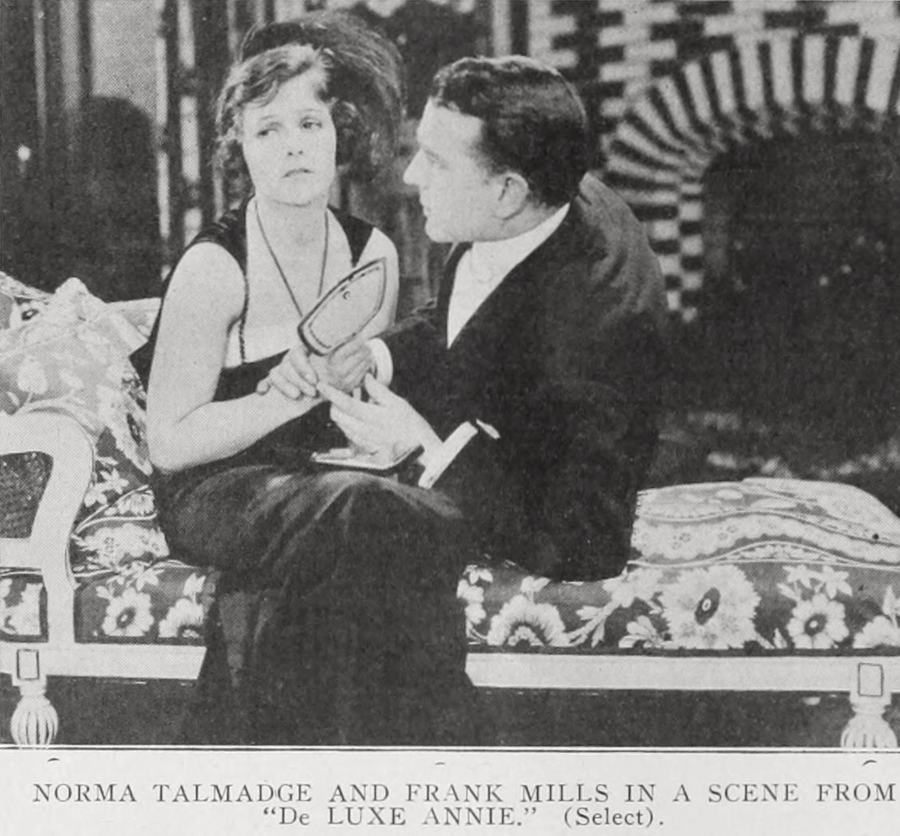
The supporting cast, including Edwards Davis as Annie's bewildered husband, and the formidable Fred R. Stanton, Joseph Burke, and Frank Mills in various roles that populate Elsie's criminal underworld, provide solid grounding for Talmadge's central performance. While the focus is undeniably on Annie, these characters serve to highlight the collateral damage of her amnesiac existence, underscoring the broader impact of her actions. David Burns and Harriet Jenkins also contribute to the film’s rich tapestry of characters, each playing their part in the unfolding drama of deception and self-discovery.
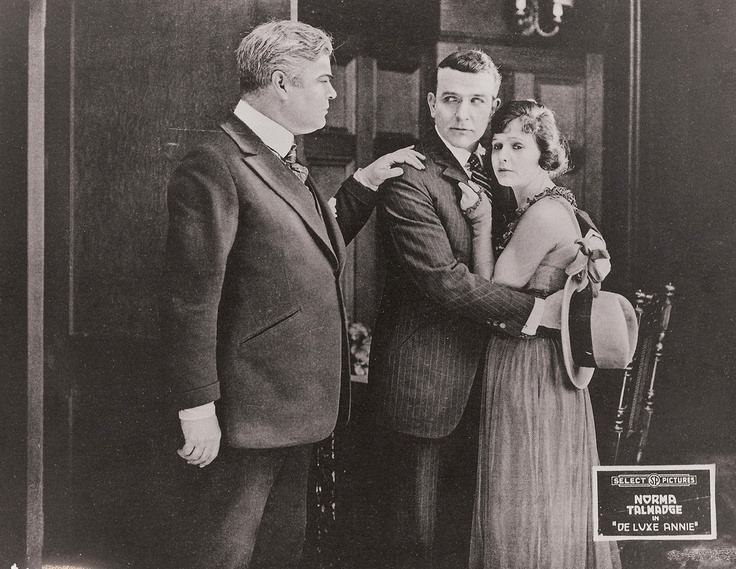
The intricate plot and profound thematic concerns of 'De Luxe Annie' are a testament to the vision of its writers, Paul West and Edward Clark. Their screenplay is not content with a simple crime-and-redemption arc; it strives for something far more ambitious. They craft a narrative that delves into the philosophical implications of identity, memory, and moral agency, themes that remain perpetually relevant. Their ability to construct such a compelling and emotionally resonant story within the confines of silent film storytelling is remarkable. The precision with which they delineate the two personas of Annie, and the dramatic irony inherent in her situation, speaks volumes about their narrative dexterity.
It's a script that understands the power of suggestion, the weight of unspoken anxieties, and the profound impact of a character's internal journey. West and Clark laid the groundwork for a film that would challenge its audience, rather than merely entertain them. Their work here can be seen as part of a broader trend in early cinema to explore more complex psychological narratives, moving beyond simplistic morality plays towards a more nuanced understanding of the human condition. One could draw parallels to the character development seen in films like His Wife or The Stubbornness of Geraldine, which also focused on the internal lives and transformations of their female protagonists, albeit through different narrative lenses.
What truly elevates 'De Luxe Annie' beyond a mere historical curiosity is its enduring relevance. The questions it poses about identity, consciousness, and the nature of personal responsibility are as pertinent today as they were over a century ago. In an era where our digital selves can sometimes feel divorced from our physical realities, the film's exploration of a fractured identity feels eerily prescient. It forces us to consider: what defines us? Is it our memories, our actions, or some immutable core that persists regardless of our cognitive state?
The film’s conclusion, while offering a resolution, doesn't shy away from the lingering complexities. Annie may have regained her memory, but the shadow of Elsie's deeds remains. This isn't a simple happy ending; it's a testament to the lasting impact of our actions, even those committed unknowingly. It's a reminder that the past, no matter how forgotten, inevitably shapes the present. The film's psychological depth and its refusal to simplify complex moral dilemmas make it a standout not just of the silent era, but of cinema as a whole.
For those who appreciate the artistry of early cinema and the profound stories it was capable of telling, 'De Luxe Annie' is an essential viewing experience. It's a film that demands engagement, rewarding its audience with a rich tapestry of emotion, suspense, and philosophical inquiry. Norma Talmadge's performance alone is worth the price of admission, a masterclass in conveying the profound tragedy and resilience of a woman caught between two lives. It stands as a powerful example of how silent films, far from being simplistic, were often at the forefront of exploring complex human psychology, paving the way for the nuanced character studies that would define later cinematic eras. Its legacy lies not just in its historical significance, but in its timeless ability to provoke thought and stir the soul, a true 'de luxe' experience for any discerning film enthusiast.
IMDb —
1920
Community
Log in to comment.