Summary
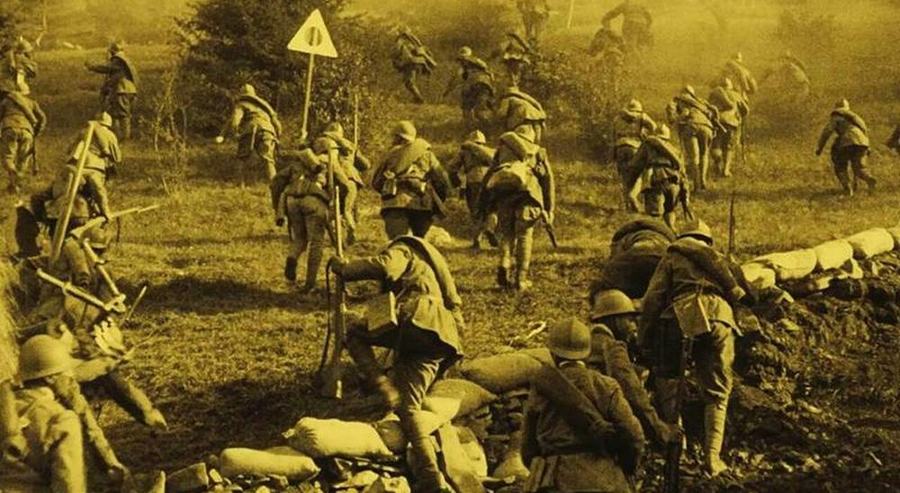
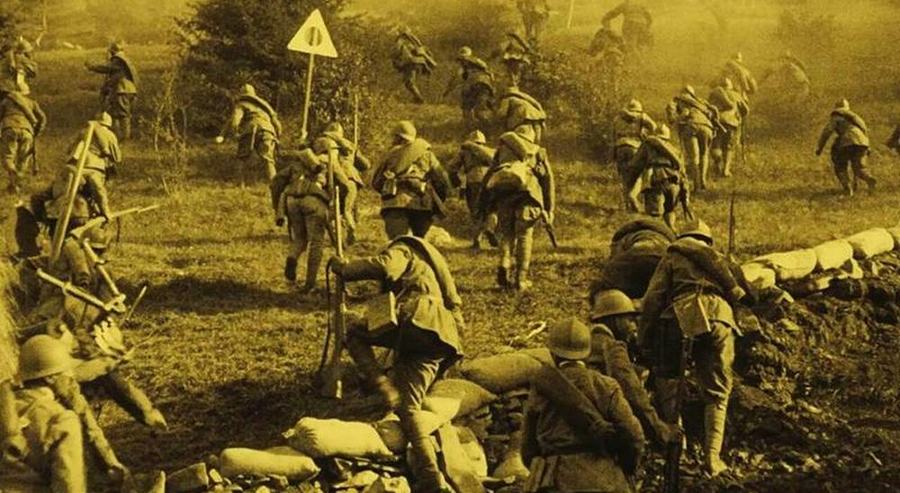
Bloodied footprints on frost-rimmed cobblestones open this cinematic chronicle of the 1918 Italian counter-offensive that turned the River Piave from a silent witness into a roaring graveyard. Silvio Laurenti Rosa’s lens glides over Alpine fog so dense it feels chewable, then abruptly sheers into bayonet-sharp clarity as Austro-Hungarian searchlights rake the water, turning drifting flotsam into floating chandeliers of death. The narrative refuses heroic linearity: it fractures, re-assembles, and fractures again, stitching together the hallucinations of a shell-shocked Carabiniere, the charcoal sketches of a trench artist who redraws maps on human skin, and the diary of a nurse whose inkwell is repeatedly refilled with iodine. Characters materialize like ghosts out of sulphur smoke—an artillery captain who counts rosary beads made from shrapnel; a shepherd boy conscripted as a guide because he alone can read the wind in the mountain passes; a prima ballerina-turned-runner who transmits orders by pirouetting Morse code across pontoon planks. The front line itself becomes protagonist, a palimpsest of trenches, aqueducts, vineyards, and ossuaries, each frame reeking of wet limestone, basil, and cordite. When the climactic dawn assault arrives, the film abandons sound for sixty-three seconds, letting only the camera breathe—an inverted coup de théâtre that forces the audience to inhabit the vacuum before artillery splits the sky. In that hush, the Piave’s waters blush copper, and history’s hinge swings with the weight of the dead strapped to it.
Review Excerpt
"
p,ul,blockquote{margin:0 0 1.2em 0;line-height:1.7;font-size:18px;color:#fff;}
a{color:#0E7490;text-decoration:none;border-bottom:1px dotted #0E7490;}
a:hover{color:#EAB308;border-color:#EAB308;}
h2{color:#C2410C;font-size:26px;margin:1.8em 0 0.6em 0;font-weight:600;letter-spacing:0.5px;}
blockquote{border-left:4px solid #EAB308;padding-left:1.2em;margin:1.5em 0;font-style:italic;color:#EAB308;}
ul{list-style:square inside;padding-left:1.2em;}
strong{color:#C2410C;font-weight:600;}
span.sea{co..."