DbcultAccessing Vault...
6.6/10
Senior Film Conservator
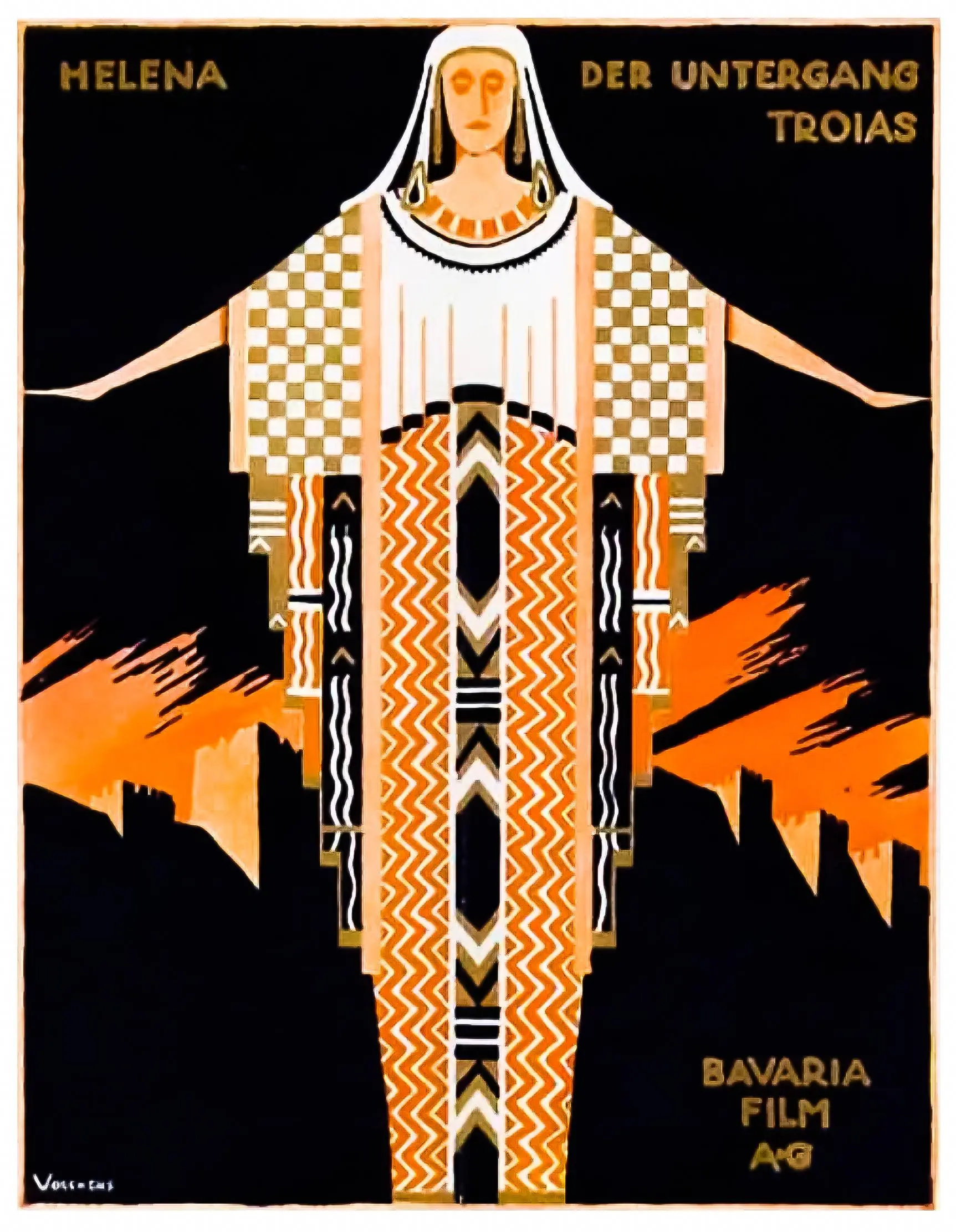
A definitive 6.6/10 rating for a film that redefined the boundaries of cult cinema. Helen of Troy remains a cornerstone of transgressive art.
The 1924 German silent drama film Helena is a masterful adaptation of Homer's ancient epic poem, transporting audiences to a bygone era of myth and legend. With its talented ensemble cast, the film brings to life the timeless tale of love, honor, and the unyielding pursuit of power, set against the backdrop of the cataclysmic conflict known as the Trojan War. As the face that launched a thousand ships, Helena's visage becomes an icon of beauty and a catalyst for the devastating clash between the city-states of Troy and Greece.
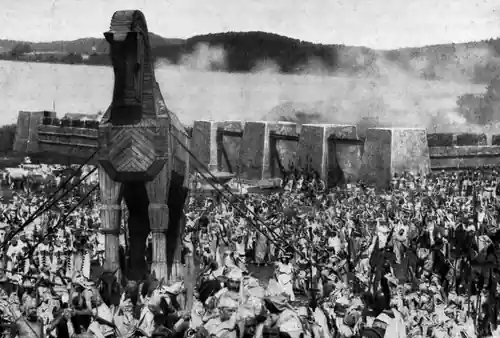
Directed by Manfred Noa, the film features a stunning performance by Edy Darclea as the eponymous heroine, whose nuanced portrayal brings depth and complexity to the character. The supporting cast, including Vladimir Gajdarov and Albert Steinrück, delivers equally impressive performances, weaving a rich tapestry of characters that underscores the human cost of war. As the story unfolds, the film's use of title cards and cinematic techniques creates a sense of tension and urgency, drawing the viewer into the world of ancient Greece and the legendary city of Troy.
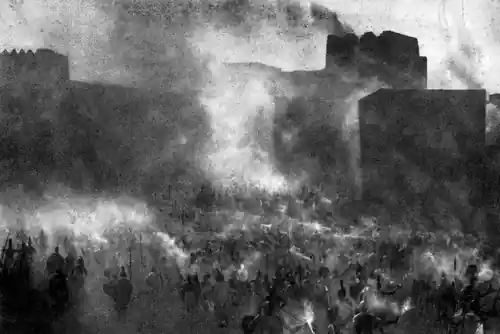
One of the most striking aspects of Helena is its use of visual motifs and symbolism, which adds a layer of depth and meaning to the narrative. The film's cinematography, handled by Wilhelm Huber, is equally impressive, capturing the grandeur and majesty of the ancient world. From the imposing city walls of Troy to the intimate moments of tenderness between Helena and her loved ones, the film's visuals are a testament to the artistry and craftsmanship of the silent era.
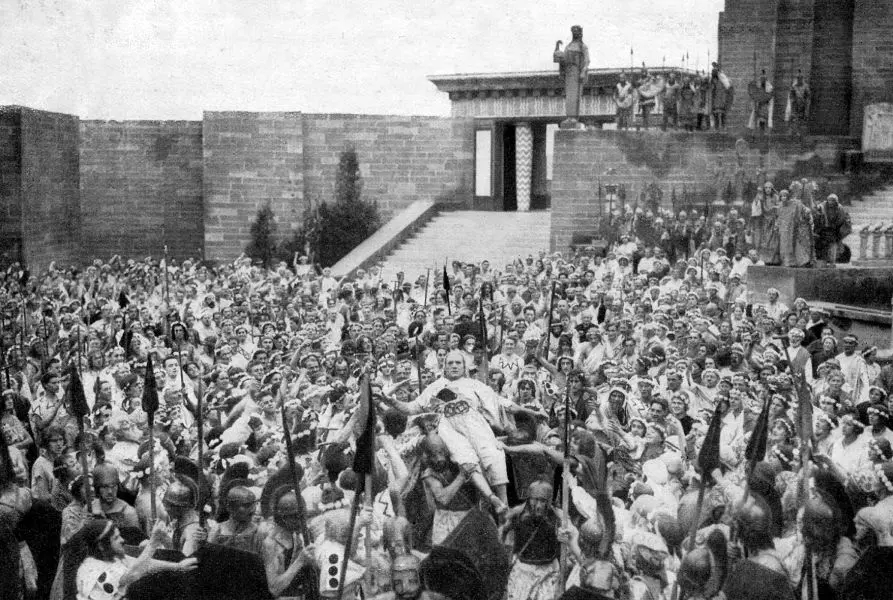
In comparison to other films of the silent era, such as Drama na okhote and The Indian Wars, Helena stands out for its epic scope and nuanced characterization. While films like Piccadilly Jim and Love's Redemption focus on more intimate, character-driven stories, Helena balances the personal and the epic, creating a rich and immersive cinematic experience. Similarly, films like The Primrose Ring and Hoppla, Herr Lehrer showcase the versatility and creativity of the silent era, but Helena remains a standout for its technical achievement and emotional resonance.
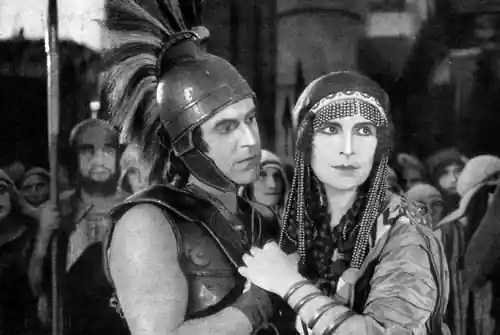
The film's exploration of themes such as love, honor, and the human cost of war is both poignant and thought-provoking, inviting the viewer to reflect on the timeless relevance of Helena's story. As a work of cinematic art, Helena is a testament to the enduring power of the silent era, a reminder of the magic and wonder that can be created through the combination of image, music, and imagination. Whether viewed as a historical epic, a romantic drama, or a work of cinematic art, Helena is a film that continues to captivate and inspire audiences, a true masterpiece of the silent era that remains as relevant and compelling today as it was upon its initial release.
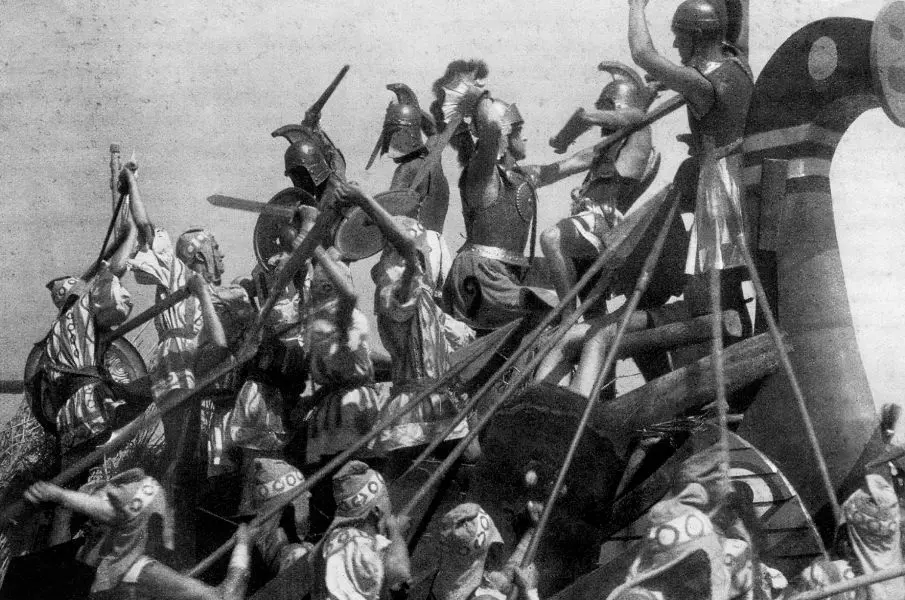
In the context of the silent era, Helena is a significant work that showcases the technical and artistic achievements of the period. The film's use of title cards, cinematography, and editing creates a sense of tension and urgency, drawing the viewer into the world of ancient Greece and the legendary city of Troy. The supporting cast, including Karl Wüstenhagen, Adele Sandrock, and Otto Kronburger, delivers impressive performances that add depth and complexity to the narrative. As a work of cinematic art, Helena is a testament to the creativity and innovation of the silent era, a reminder of the magic and wonder that can be created through the combination of image, music, and imagination.
Furthermore, Helena can be seen as a precursor to later films that explore similar themes and motifs. For example, films like Colombine and Forbandelsen showcase the continued influence of the silent era on later cinematic works. Similarly, films like Almost Heroes and Die Teufelskirche demonstrate the enduring appeal of epic stories and legendary characters. As a work of cinematic art, Helena remains a significant and influential film that continues to inspire and captivate audiences today.
In conclusion, Helena is a masterpiece of the silent era that showcases the technical and artistic achievements of the period. The film's exploration of themes such as love, honor, and the human cost of war is both poignant and thought-provoking, inviting the viewer to reflect on the timeless relevance of Helena's story. With its talented ensemble cast, stunning cinematography, and epic scope, Helena is a film that continues to captivate and inspire audiences, a true classic of the silent era that remains as relevant and compelling today as it was upon its initial release. Other notable films from the same era include El último malón, Railroaded, and Crashing Through to Berlin, each of which offers a unique perspective on the human experience and the power of cinema to capture the imagination and inspire the soul.
Ultimately, Helena is a film that deserves to be seen and experienced by audiences today. Its epic scope, nuanced characterization, and technical achievement make it a standout work of cinematic art that continues to inspire and captivate viewers. Whether viewed as a historical epic, a romantic drama, or a work of cinematic art, Helena is a film that remains as relevant and compelling today as it was upon its initial release, a true masterpiece of the silent era that will continue to be cherished and admired for generations to come. Other films that explore similar themes and motifs, such as Komtesse Doddy and Der Tänzer, offer a unique perspective on the human experience and the power of cinema to capture the imagination and inspire the soul.

IMDb —
1919
Community
Log in to comment.