DbcultAccessing Vault...
Cult Review
Senior Film Conservator
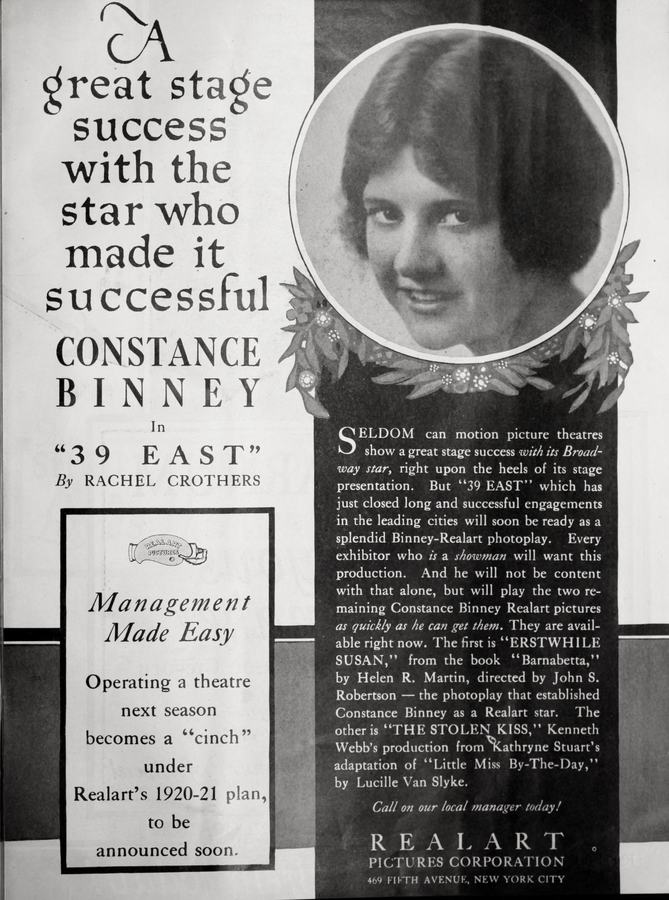
Ah, the allure of the silent era! There’s a particular magic in the way these early films conveyed profound human experiences without a single spoken word, relying instead on the evocative power of gesture, expression, and the carefully crafted intertitle. Among the myriad cinematic offerings from that nascent period, one often finds gems that, despite their age, resonate with timeless themes. Such is the case with 1920’s 39 East, a compelling character study wrapped in a quintessential rags-to-riches narrative, brimming with moral quandaries and the sweet promise of romance. It’s a film that speaks to the enduring human spirit, the quest for self-actualization, and the sometimes-harsh realities of societal judgment, all set against the vibrant backdrop of early 20th-century New York.
The narrative unfurls with the introduction of Penelope Penn, played with an exquisite blend of innocence and burgeoning determination by Edith Gresham. Penelope is not merely a character; she is an archetype, a symbol of countless young women who, then as now, gazed beyond the confines of their provincial lives towards the dazzling, often deceptive, lights of the big city. Her father, a poor preacher, represents a world of simple values and unyielding morality, a stark contrast to the sophisticated, potentially corrupting, urban landscape she is about to embrace. This initial premise sets the stage for a classic confrontation between rural virtue and urban ambition, a trope often explored in the cinema of the time, much like the thematic undercurrents one might discern in a film such as The Conquest of Canaan, where characters grapple with societal expectations and personal integrity amidst changing environments.
Upon her arrival, Penelope secures lodgings in a boarding-house at the titular 39 East, a setting that quickly transforms from a mere address into a microcosm of society itself. Boarding houses in early 20th-century cinema were often depicted as melting pots of disparate personalities, each with their own secrets, prejudices, and aspirations. Here, Penelope’s innocent pursuit of an acting career is immediately met with suspicion. The late hours demanded by theatrical work, particularly for a chorus girl, are misinterpreted by the more censorious residents, who whisper and speculate, casting a shadow over Penelope’s good name. This aspect of the plot keenly highlights the precarious position of women seeking independence and public careers during this era, where reputation was an almost tangible commodity, easily sullied by gossip and unfounded assumptions.
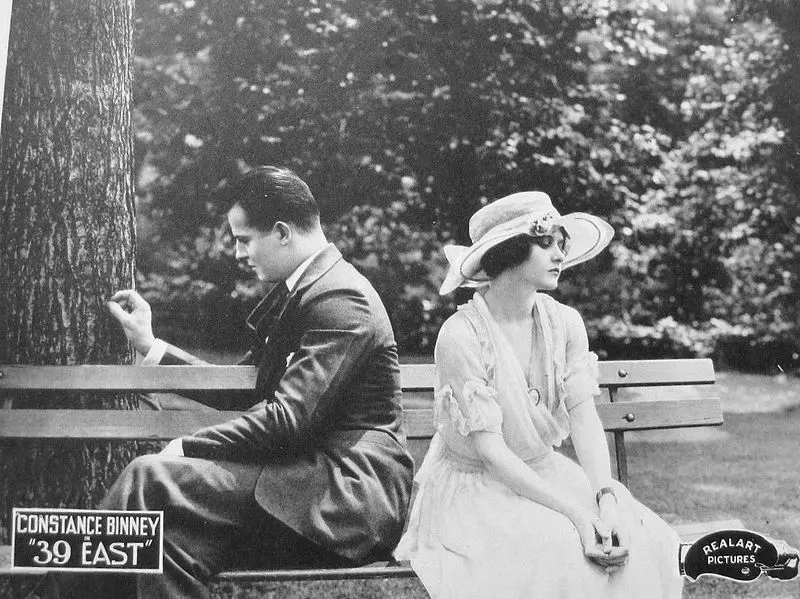
It is within this crucible of judgment that we encounter Napoleon Gibbs, Jr., portrayed with understated charm and a quiet dignity by Reginald Denny. Napoleon is not the boisterous, overtly heroic figure one might expect; rather, his heroism lies in his perceptiveness and his unwavering belief in Penelope’s character. He becomes her unlikely champion, defending her honor against the tide of wagging tongues. This dynamic is crucial, as it introduces a subtle romantic tension while simultaneously underscoring themes of chivalry and the importance of discerning character beyond superficial appearances. Denny’s performance, relying heavily on subtle facial expressions and gestures, perfectly captures Napoleon's quiet strength and genuine affection, making his eventual declaration of love feel earned and authentic.
Penelope’s journey through the theatrical world is painted with a brush of stark realism, showcasing the grueling auditions, the rejections, and the eventual, almost secretive, acceptance of a minor chorus part. This portrayal avoids the overly romanticized view of show business, grounding Penelope’s struggles in a relatable human experience. Her diligence, however, is not to go unrewarded. The narrative masterfully builds to the moment when, having understudied the leading lady, Penelope is finally given her chance to step into the spotlight. This pivotal scene, a staple of theatrical dramas, is executed with a quiet intensity that allows Gresham’s performance to shine. Her triumph on stage is not just a professional victory; it is a vindication of her character, a defiant rebuttal to the earlier whispers and doubts. The audience, both within the film and watching it, is invited to share in her hard-won success, a moment of pure, unadulterated joy and accomplishment.
The Intricacies of Silent StorytellingWhat truly elevates 39 East beyond a mere melodramatic tale is its adeptness in utilizing the unique language of silent cinema. The film’s pacing, while deliberate by modern standards, allows for a nuanced exploration of character emotions and societal reactions. Intertitles are employed judiciously, providing necessary exposition or dialogue without overwhelming the visual storytelling. Close-ups on Penelope’s determined gaze or Napoleon’s thoughtful expressions speak volumes, drawing the viewer into their inner worlds. The cinematography, though perhaps not groundbreaking for its time, effectively captures the bustling energy of the city and the intimate confines of the boarding-house, creating a tangible sense of place and atmosphere.
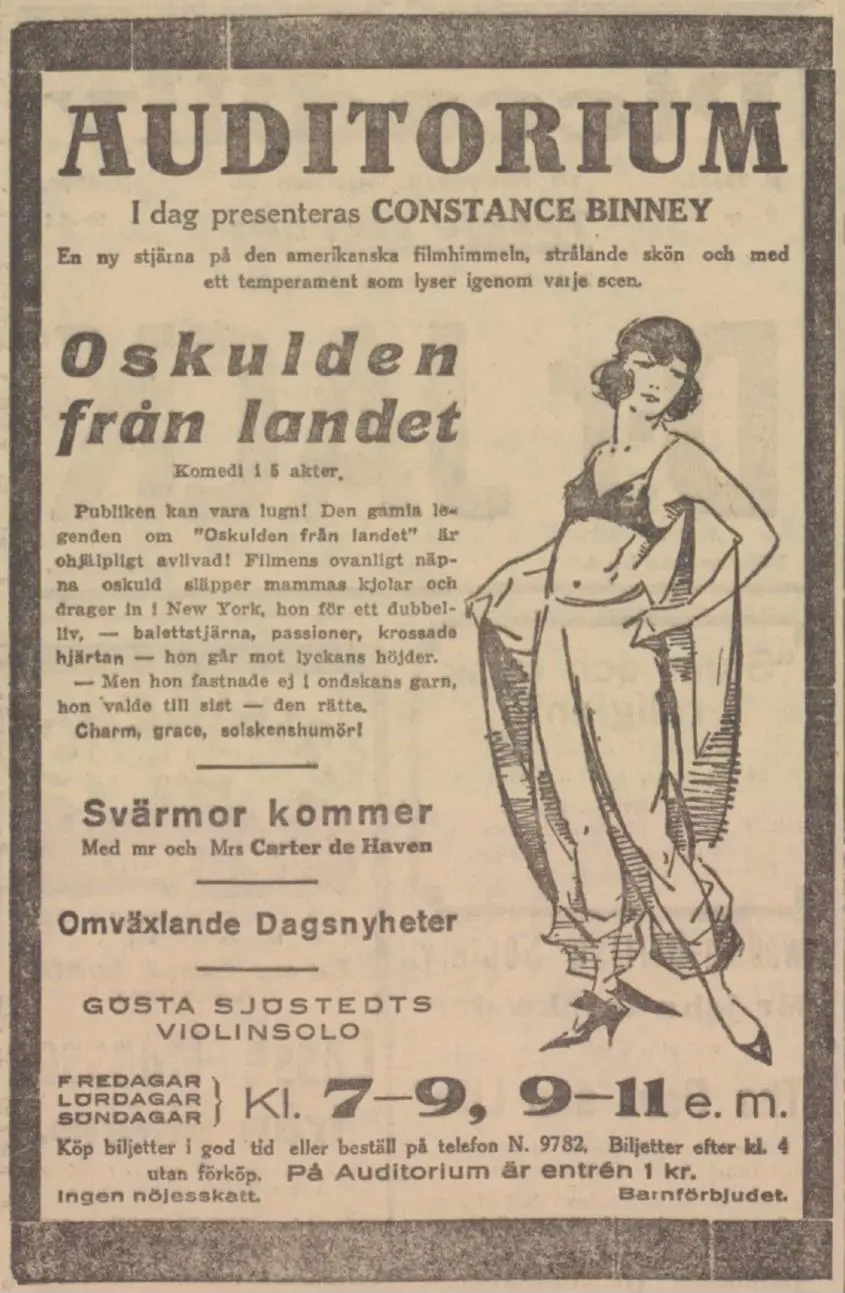
The direction, which skillfully guides the audience through Penelope's emotional arc, ensures that her transformation from a naive country girl to a confident stage star feels authentic. We witness her struggles, not just her triumphs. The film’s ability to generate suspense around her stage debut, and then relief and elation at her success, is a testament to the power of well-executed silent drama. It reminds us that compelling storytelling transcends dialogue, relying instead on universal human experiences and the skillful orchestration of visual cues.
Themes That EndureBeyond the surface plot, 39 East delves into several profound themes that remain pertinent even today. The tension between reputation and reality is a central concern. Penelope’s integrity is constantly challenged by the assumptions of others, a struggle that many can relate to in an age where public perception often overshadows personal truth. This theme of navigating societal judgment and maintaining one's moral compass despite external pressures can be seen in other contemporary dramas, perhaps echoing the dilemmas faced by characters in films like The Shadow of Her Past or When Men Betray, where characters often find themselves at the mercy of circumstance and public opinion.
The film also explores the universal pursuit of dreams. Penelope's ambition to succeed as an actress is not merely a superficial desire for fame; it is an intrinsic drive for self-expression and validation. Her journey is one of resilience, demonstrating that true success often comes only after enduring numerous setbacks. This aspirational quality, coupled with the realistic depiction of the challenges involved, makes her character deeply sympathetic and her eventual triumph all the more satisfying. The story champions the idea that dedication and talent, even when initially overlooked, can eventually shine through.
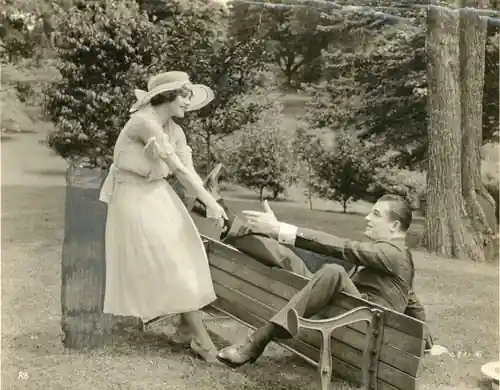
The romantic subplot, far from being a mere contrivance, is intricately woven into the fabric of Penelope’s personal growth. Napoleon’s quiet adoration and unwavering faith in her are not predicated on her success, but on her inherent goodness. The moment he sees the stage manager escorting her home, his crestfallen expression speaks volumes about his fears of losing her to the glamorous world she has conquered. This brief misunderstanding adds a touch of poignant drama, highlighting the anxieties inherent in budding relationships. Her subsequent clarification, delivered with genuine warmth, paves the way for his heartfelt proposal, which, coming after her professional triumph, signifies the culmination of her journey on both personal and professional fronts. It’s a beautifully understated resolution, affirming that true love is built on respect and understanding, not just shared success.
Performances That Speak VolumesEdith Gresham, as Penelope Penn, carries the film with remarkable grace. Her transition from wide-eyed ingenue to confident stage star is compelling, conveyed through subtle shifts in posture, expression, and the increasing assuredness in her movements. She manages to imbue Penelope with both vulnerability and an unyielding inner strength, making her a truly engaging protagonist. Reginald Denny, a familiar face from the silent era, delivers a nuanced performance as Napoleon. He avoids the pitfalls of over-the-top melodrama, instead opting for a portrayal that is earnest, sincere, and deeply empathetic. His quiet devotion to Penelope is palpable, making him an ideal romantic lead. The chemistry between Gresham and Denny, though expressed without words, is undeniable and forms the emotional backbone of the film.
The supporting cast, while given less screen time, contributes significantly to the film's atmosphere. The gossiping boarders, though often caricatured, serve their purpose in creating the societal pressure Penelope faces. Alison Skipworth, for instance, in her role as a critical, watchful resident, adds a layer of judgmental realism to the boarding-house dynamic. Even smaller roles are filled with actors who understand the demands of silent performance, using their physicality and expressions to convey character and emotion effectively. Their collective performances underscore the rich tapestry of life in a bustling city tenement, where every individual plays a part in the larger social drama.
A Glimpse into Early HollywoodViewing 39 East today offers more than just a compelling story; it provides a valuable window into the early days of Hollywood and the burgeoning film industry. Released in 1920, it stands as a testament to the sophistication of silent filmmaking, demonstrating how directors and actors were already mastering the art of visual storytelling. The film's themes and character archetypes were popular during this period, reflecting the societal changes and anxieties of the post-World War I era. The allure of the city, the changing roles of women, and the pursuit of individual success were all subjects that resonated deeply with audiences.
The adaptation of stage plays to the screen was a common practice, and 39 East, based on a play by Rachel Crothers, showcases how theatrical narratives were being reinterpreted for the cinematic medium. This transition often involved translating stage dialogue into visual action and character expression, a challenge that films like this met with considerable success. It highlights the collaborative efforts of writers like Kathryn Stuart, who adapted the material, and the entire production team in bringing these stories to life on the silver screen.
In conclusion, 39 East is far more than a historical curiosity; it is a vibrant, emotionally resonant film that continues to captivate. Its exploration of ambition, moral integrity, and the enduring power of love makes it a timeless piece of cinema. For enthusiasts of silent films or anyone interested in the foundational narratives of early Hollywood, this film offers a rich and rewarding viewing experience. It reminds us that sometimes, the most profound stories are told not with booming dialogue, but with the quiet eloquence of a glance, a gesture, and the universal language of the human heart. It’s a poignant reminder of the power of dreams and the resilience required to chase them, a message that remains as relevant today as it was a century ago when Penelope Penn first stepped onto the stage at 39 East.

IMDb 6.3
1926
Community
Log in to comment.