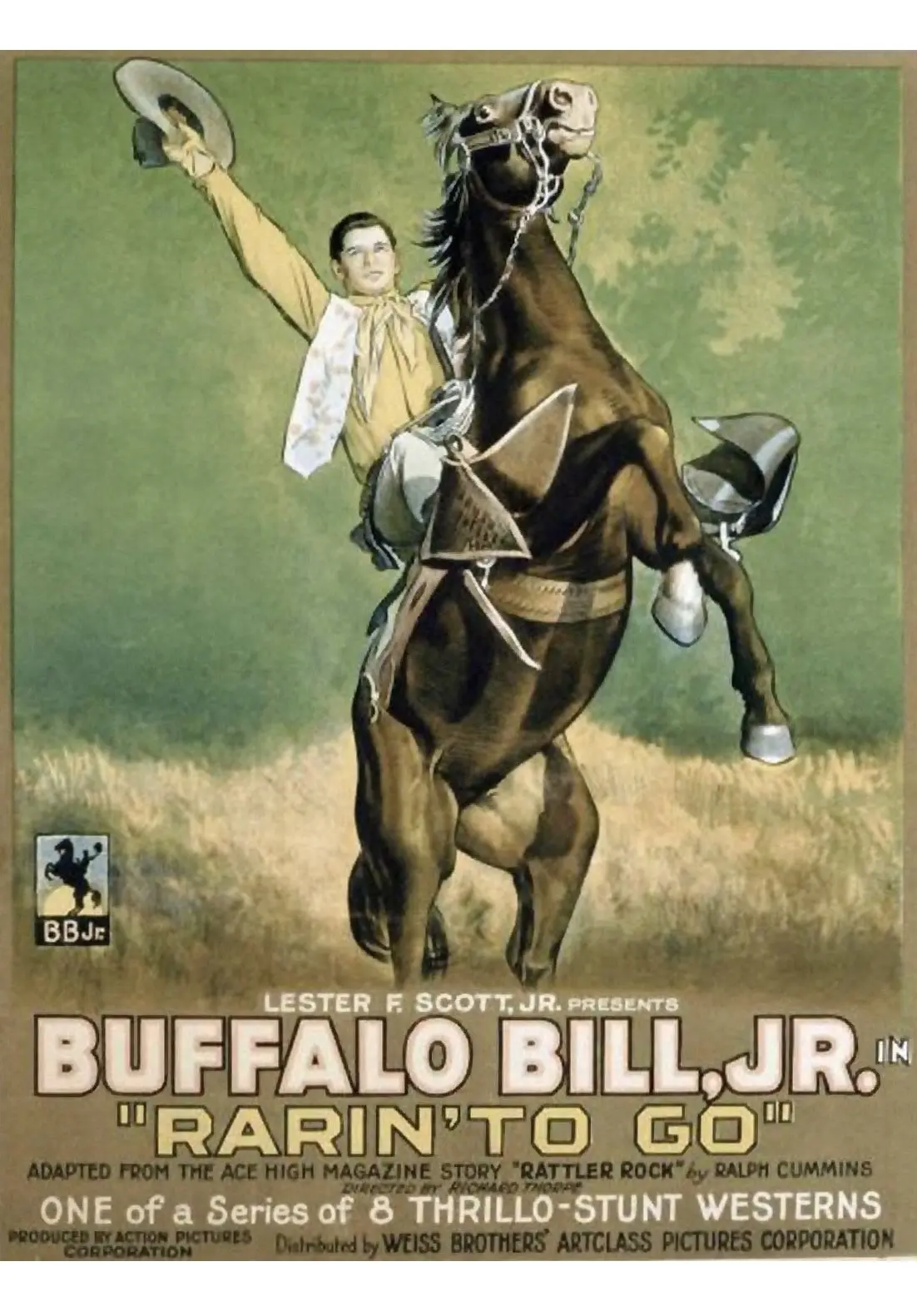
Buddy West (Buddy Roosevelt) inherits a ranch but a clause in the will provides the ranch shall go to the foreman, Pete Hall (William Lowery), if Buddy is found incompetent, which leads to foul play by Hall. Buddy escapes from an asylum where he has been sent and returns to vindicate himself and free his uncle's daughter, Dorothy Parker (Violet La Plante), who is being held prisoner by Hall and his henchmen.
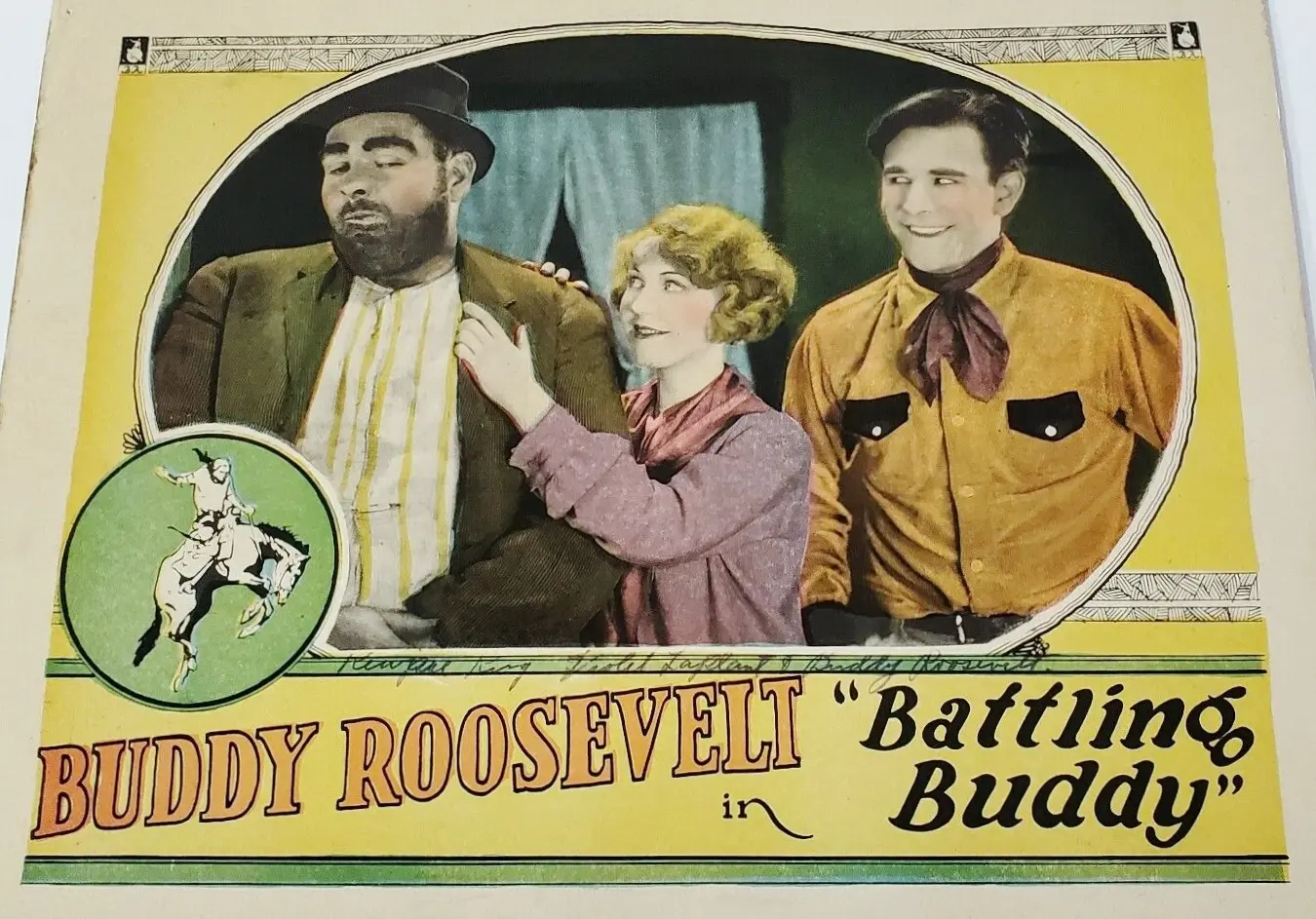
In the annals of silent cinema, where the grand vistas of the American West often served as a canvas for tales of heroism, betrayal, and redemption, Battling Buddy emerges as a quintessential example of the genre’s enduring allure. This 1924 cinematic endeavor, spearheaded by the dynamic Buddy Roosevelt, encapsulate...
Comparing the cinematic DNA and archive impact of two defining moments in cult history.
Richard Thorpe
Robert N. Bradbury
Community
Log in to comment.
" In the annals of silent cinema, where the grand vistas of the American West often served as a canvas for tales of heroism, betrayal, and redemption, Battling Buddy emerges as a quintessential example of the genre’s enduring allure. This 1924 cinematic endeavor, spearheaded by the dynamic Buddy Roosevelt, encapsulates the raw energy and straightforward narrative appeal that defined so many of its contemporaries. It’s a film that, despite the passage of nearly a century, still resonates with a ..."
N.E. Hendrix
Betty Burbridge
United States
Deep dive into the cult classic
Discover similar cinematic experiences
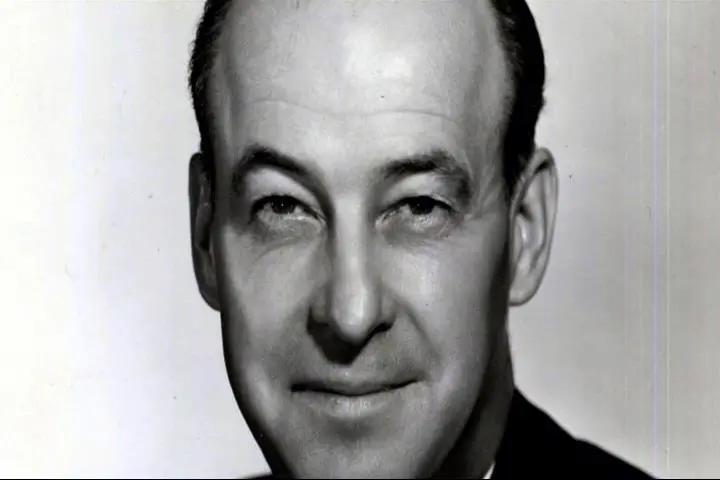
A Directorial Spotlight on Richard Thorpe