DbcultAccessing Vault...
7/10
Senior Film Conservator
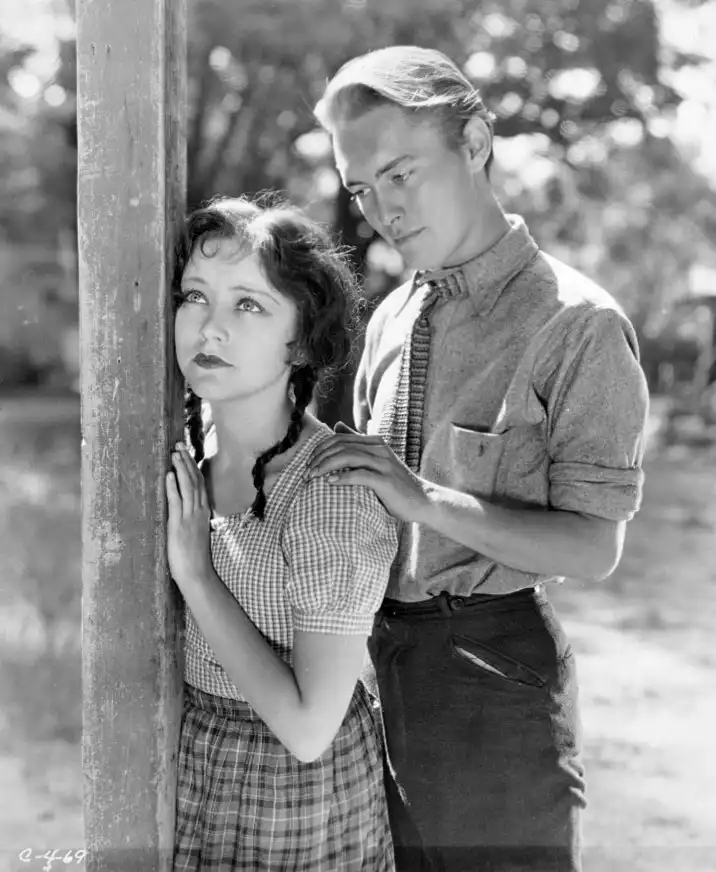
A definitive 7/10 rating for a film that redefined the boundaries of cult cinema. Tol'able David remains a cornerstone of transgressive art.
Alright, so if you've got a soft spot for really old movies, especially ones that feel a bit like a stage play caught on film, the 1930 version of Tol'able David might just catch your eye. It's a rough-around-the-edges drama, pretty intense for its time, but definitely not for folks who need a quick pace or perfect sound.
This one's for the patient viewers, those who appreciate seeing raw storytelling from a different era. If you prefer your films polished and modern, you'll probably find it a bit of a slog. But for those of us who dig into cinema history, there's something genuinely compelling here.
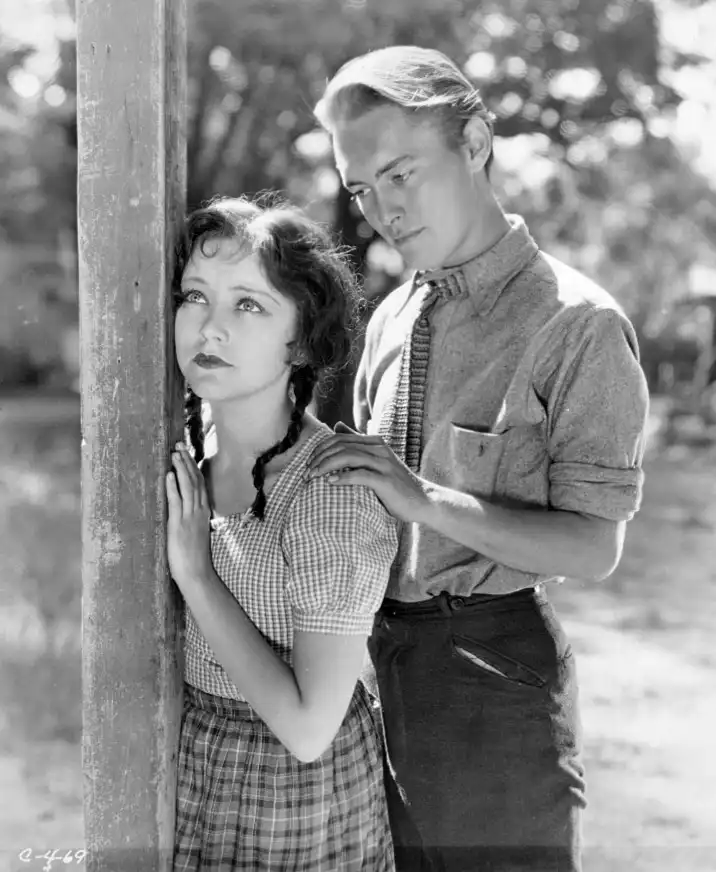
The story follows David Kinemon, played by Richard Cromwell. He's this sweet-faced kid in a mountain village, just trying to be a good sort. His world gets flipped when his older brother is laid up, and David has to take over the mail route. This sounds simple enough, right? 📬
But the mail route means dealing with the Hatburns. And oh boy, are they a piece of work. Noah Beery, Sr. as Iscah Hatburn just *oozes* menace. He doesn't even have to do much; his presence alone feels like a storm cloud gathering. You can practically see the tension rising every time they're on screen.
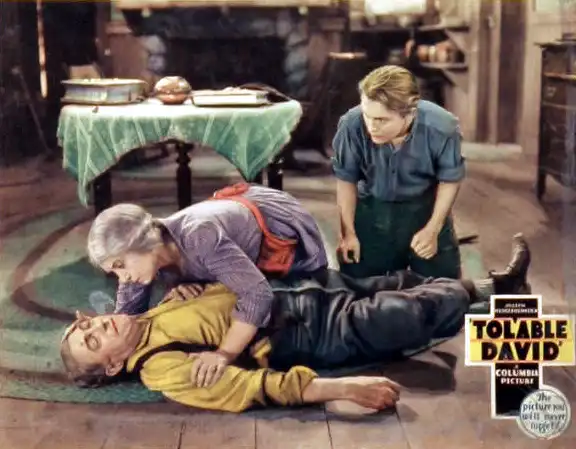
There's a scene early on where David's just trying to deliver the mail, and the Hatburns are there, making eyes. The whole interaction is so loaded. You can almost feel the air getting thick with unspoken threats, a very unsettling vibe.
The film really leans into the idea of a young man having to step up. David starts off almost naive, almost too good for this world. He's got a dog, and a sweetheart, and everything seems pretty simple. Then the Hatburns arrive to just mess everything up.
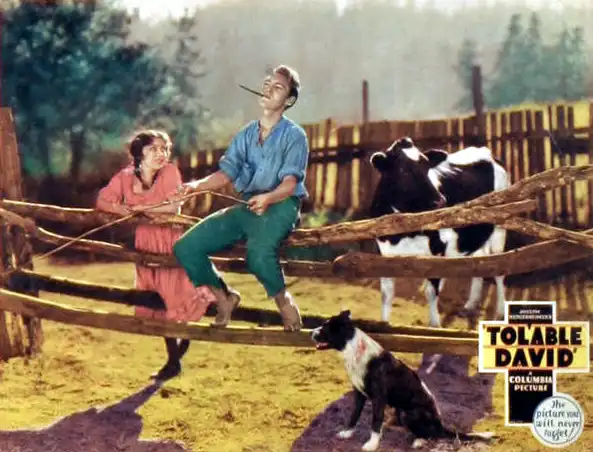
You can see the struggle on Cromwell's face. He's not some big, tough hero. He's just a kid trying to do right, and these awful people keep pushing him. It's quite effective, that sense of a decent person being backed into a corner.
The sound quality, well, it's 1930. Sometimes the dialogue feels a bit distant, or like it's coming from a hollow barrel. But it adds to the charm, in a weird way, making it feel even more like a glimpse into another time. You really have to lean in and listen.
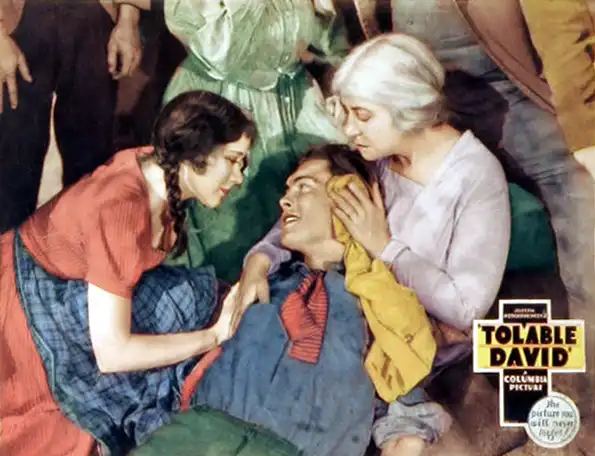
One particular moment, when David's trying to help his brother, and the Hatburns just show up and start causing trouble. The way the fight breaks out, it's sudden and brutal. Not flashy, just quick and ugly. It really drives home how dangerous these guys are.
And the mountain setting? It's beautiful but also feels really isolated. Like this whole drama is unfolding in its own little world, far from any help. It makes the conflict feel more urgent, more personal.
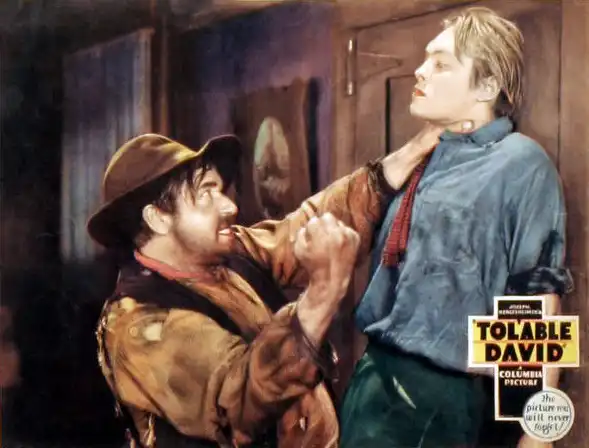
The movie is pretty much a slow burn for a good chunk of its runtime. It builds up the tension with these small, nagging incidents. A stolen package, a mean look, a threat whispered. It's not always action-packed, but it keeps you watching for what's inevitably coming.
What struck me was how *unflinching* it is in its portrayal of rural violence. It's not glorified. It's just... hard. And sad. You feel the stakes for David, especially as things get worse and worse for his family. His journey from gentle kid to someone forced to fight is the real core here.
There's a scene near the end, a real showdown, that feels earned. It's not some Hollywood explosion fest, but a raw, desperate fight. And it makes you think about how far a person can be pushed.
I wouldn't call it a perfect film. The pacing can be a little *deliberate* at times, and some of the acting, outside of Beery and Cromwell, feels a bit dated. But it has a certain honest grit that you don't always find. It's a simple story, but told with real conviction.
It's interesting to compare it, even just in spirit, to other early talkies trying to figure out how sound worked. It doesn't have the grand scale of something like The Four Horsemen of the Apocalypse, but it has its own quiet power.
Ultimately, Tol'able David (1930) is a solid watch for anyone interested in early American cinema, especially for its performances from Beery and Cromwell. It's a testament to how even with nascent technology, filmmakers could deliver a potent punch. Go into it knowing it's old, and you might just be surprised. ✨
IMDb —
1924
Community
Log in to comment.