DbcultAccessing Vault...
Cult Review
Senior Film Conservator
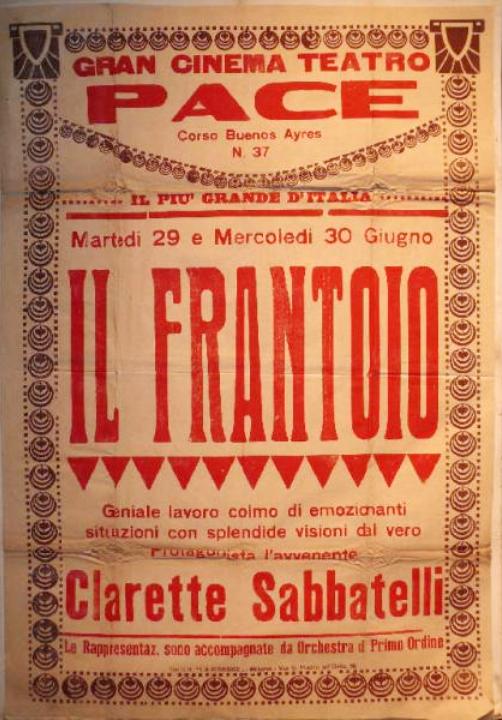
From the very first frame, Il Frantoio immerses its audience in a tactile, almost visceral experience of rural Italy. This isn't just a film; it's an elegy whispered through ancient olive trees, a testament to the enduring human spirit etched into the very landscape. The film, a profound exploration of heritage, resilience, and the relentless march of modernity, manages to be both intimately personal and sweepingly epic. It’s a narrative that eschews easy answers, preferring instead to linger in the ambiguities of human motivation and the complex tapestry of familial bonds. The titular oil mill, far from being a mere setting, emerges as a character in its own right, its stone walls and grinding gears echoing generations of toil, joy, and sorrow. Director’s vision here is less about grand gestures and more about the minute, telling details – the way light filters through dusty windows, the scent of crushed olives almost palpable, the quiet determination in a protagonist's eyes.
At the heart of this compelling drama is Elena, portrayed with breathtaking nuance by Clarette Sabatelli. Her performance is a masterclass in understated power, conveying a spectrum of emotions from raw grief to steely resolve with remarkable authenticity. Elena inherits the family's ancient olive oil mill after a tragedy that leaves her father dead and the business teetering on the brink of collapse. Sabatelli doesn't just play Elena; she embodies her, allowing us to feel the weight of tradition on her shoulders, the sting of betrayal, and the quiet fire of her determination. Her journey is not one of sudden transformation, but of gradual, hard-won growth, much like the slow, steady press of olives yielding their precious oil. She navigates a world where ancient customs collide with aggressive contemporary capitalism, her hands, once perhaps accustomed to softer pursuits, now stained with the grime and glory of the mill. It’s a portrayal that resonates deeply, reminding one of the quiet strength found in characters facing insurmountable odds, much like the stoic protagonist in The Feast of Life, who similarly battles to preserve her family's legacy against encroaching societal changes.
The cinematography of Il Frantoio is nothing short of exquisite. Every frame is meticulously composed, transforming the sun-drenched Puglian landscape into a vibrant, living canvas. The director of photography understands that light is not merely illumination but an emotional force, painting scenes with a palette that shifts from the golden glow of dawn over the groves to the stark, almost chiaroscuro shadows within the mill's cavernous interior. The visual language speaks volumes, often more eloquently than dialogue. Close-ups of gnarled olive branches, the textured stone of the mill, and the weathered faces of the villagers ground the narrative in a profound sense of place and history. This commitment to visual authenticity elevates the film beyond a simple drama, turning it into a sensory experience that lingers long after the credits roll. The contrast between the vibrant exterior and the often somber, challenging interior of the mill mirrors Elena's internal struggle, a visual metaphor for the light and shadow within her own soul. It's a directorial choice that harks back to the evocative rural landscapes found in classics, albeit with a distinctly modern sensibility.
The narrative, while seemingly straightforward in its premise, unravels with the intricate precision of a finely woven tapestry. Elena's inheritance is not a blessing but a curse, laden with the debts and dark secrets of her ancestors. The mill, a symbol of continuity, becomes a battleground. Her primary antagonist, Vincenzo, played with chilling conviction by Eduardo Senatra, embodies the soulless ambition of contemporary development. Senatra masterfully crafts a character who is not a caricature of evil, but a chillingly pragmatic businessman, whose vision for the region involves bulldozing tradition for profit. His interactions with Elena are charged with a subtle menace, a polite ruthlessness that is far more unsettling than overt aggression. Senatra’s performance is a crucial counterpoint to Sabatelli’s, providing the necessary external pressure that forces Elena to evolve. He represents the relentless tide of progress that threatens to wash away centuries of heritage, a conflict that resonates with the struggles seen in Builders of Castles, where characters also grapple with the destruction of old ways for new ambitions.
The supporting cast brilliantly fleshes out this vibrant world. Carlo Lanner delivers a nuanced performance as Marco, Elena's uncle. Lanner portrays Marco with a disarming blend of paternal concern and subtle self-interest, making his motives perpetually ambiguous. Is he genuinely trying to help Elena, or is he quietly maneuvering to gain control of the mill himself? This uncertainty adds layers of psychological depth to the film, forcing the audience to constantly question the true nature of loyalty within family. Marco's character is a microcosm of the film's broader themes: the erosion of trust, the temptations of greed, and the difficult choices people make when faced with financial ruin. His presence adds a crucial internal conflict for Elena, as she must discern friend from foe within her own kin, a challenge not dissimilar to the intricate family dynamics explored in The Marriage of Molly-O, where familial expectations and personal desires often clash with dramatic consequences.
Then there is Dario, played by Achille Vitti, the enigmatic local artisan whose quiet strength and unwavering gaze hint at a deep, unspoken connection to the Sabatelli family. Vitti imbues Dario with a stoic grace, a man of few words but profound presence. His character serves as both a potential ally and a source of mystery, his past entwined with the mill's own hidden history. Dario’s understated performance provides a grounding force amidst the swirling chaos, a reminder of the enduring wisdom found in those who work the land and respect its rhythms. His relationship with Elena develops with a tender, organic pace, offering a glimmer of hope and genuine connection in a world filled with shadows. The chemistry between Sabatelli and Vitti is subtle yet potent, a testament to their skill in conveying complex emotions through gestures and glances rather than overt declarations. Their bond is reminiscent of the quiet support found in challenging times, echoing the resilience depicted in The Test of Honor, where trust and integrity are paramount.
Thematically, Il Frantoio is incredibly rich. It delves into the perennial conflict between tradition and modernity, exploring how rapidly evolving economic landscapes threaten to erase centuries of cultural heritage. The mill itself becomes a potent symbol of this struggle – an archaic machine, lovingly maintained, producing superior oil through painstaking methods, yet struggling to compete with the sheer volume of industrialized production. The film raises profound questions about the value of craftsmanship, the meaning of legacy, and the true cost of progress. Is it possible to adapt without sacrificing one's soul? Can old ways survive in a world obsessed with newness? Elena's fight is not just for her family's business, but for an entire way of life, a cultural identity rooted in the land and its fruits. This struggle for identity and survival against overwhelming odds is a central pillar of the film, giving it a universal appeal that transcends its specific Italian setting.
Moreover, the film masterfully explores the intricate dynamics of grief and the burden of expectation. Elena's father's death is not just a personal loss but a communal one, and the secrets he left behind force her to re-evaluate everything she thought she knew about her family and her heritage. The discovery of cryptic ledgers and whispered rumors transforms the narrative into a quiet but intense mystery, adding another layer of intrigue. This detective-like unraveling of past events gives the film a compelling momentum, pushing Elena to confront not only external threats but also the painful truths hidden within her own lineage. This narrative device keeps the audience engaged, constantly piecing together clues alongside Elena, making her personal quest feel like a shared endeavor. The sense of unraveling a family's hidden past is handled with a delicate touch, avoiding melodrama in favor of raw, emotional realism, a quality shared with the complex revelations in Veritas Vincit, where truth, however painful, ultimately prevails.
The sound design of Il Frantoio is as crucial to its immersive quality as its stunning visuals. The rhythmic hum of the mill, the rustling of olive leaves in the wind, the distant calls of village life – these elements create a rich, enveloping soundscape that transports the viewer directly into the heart of Puglia. The film understands the power of silence, too, using it effectively to heighten moments of tension or introspection. The musical score, subtle and evocative, never overwhelms the narrative but rather underscores its emotional beats, weaving traditional Italian folk elements with contemporary orchestral arrangements. It's a score that feels organic to the setting, enhancing the film's sense of place and time without ever becoming intrusive. The music often feels like another character, expressing the unspoken emotions and the deep-seated history of the land and its people.
Pacing is another strong suit of Il Frantoio. The film allows its story to unfold at a deliberate, unhurried pace, mirroring the slow, cyclical rhythm of agricultural life. This measured approach allows for deep character development and a nuanced exploration of its themes. Yet, despite its contemplative nature, there's an underlying current of tension that steadily builds, culminating in an emotionally resonant climax. The film never feels rushed, nor does it drag; it finds a perfect balance, drawing the audience deeper into its world with each passing scene. This patient storytelling is a refreshing departure from the frantic pace of much contemporary cinema, inviting viewers to truly inhabit the narrative rather than merely observe it. It’s a testament to the director’s confidence in the material and the performances, allowing moments to breathe and resonate. This thoughtful rhythm can be compared to the unfolding drama in Az impresszárió, which also builds its emotional impact through careful, unhurried narrative progression.
Il Frantoio is more than just a rural drama; it's a poignant meditation on the human condition, on the unbreakable ties to one's roots, and on the courage required to protect what truly matters. It's a film that speaks to the universal struggle of maintaining identity in an ever-changing world, a love letter to a fading way of life, and a powerful statement on the enduring strength of community. The performances are uniformly excellent, the direction assured, and the technical craftsmanship impeccable. It’s a film that deserves to be seen, discussed, and cherished. It reminds us that sometimes, the greatest battles are fought not on grand stages, but in the quiet, sun-drenched corners of the world, where the scent of crushed olives tells a story as old as time itself. The film is a triumph of storytelling, a cinematic experience that manages to be both profoundly moving and intellectually stimulating. It leaves you contemplating the delicate balance between progress and preservation, and the invaluable legacy passed down through generations. A definite must-watch for anyone seeking cinema with heart, soul, and a profound sense of purpose.
In an era saturated with ephemeral blockbusters, Il Frantoio stands out as a beacon of artistry and depth. It doesn't shout for attention but rather invites contemplation, gently drawing you into its world with a quiet confidence. The nuanced portrayal of each character, from Elena's unwavering resolve to Marco's conflicted loyalties, ensures that every interaction feels authentic and meaningful. The film's ability to transform a seemingly simple premise into a rich, multi-layered narrative is a testament to the brilliance of its writers and director. This is a story that will resonate with anyone who has ever felt the pull of their heritage, the pressure of expectation, or the pain of loss. It's a film that affirms the power of tradition while acknowledging the necessity of adaptation, a delicate dance between past and future. It's truly a cinematic gem that captures the essence of struggle and triumph with a rare grace and authenticity. This film is a powerful testament to the human spirit's capacity for resilience, much like the enduring fortitude often celebrated in stories such as The Way of the Strong, where inner strength defines destiny.

IMDb —
1916
Community
Log in to comment.