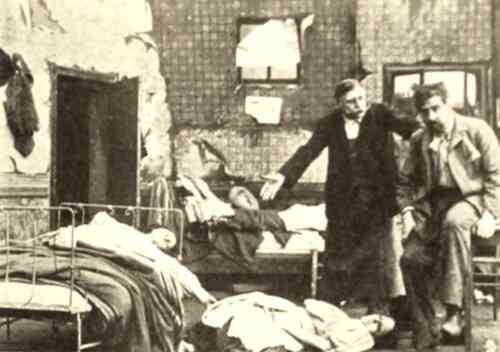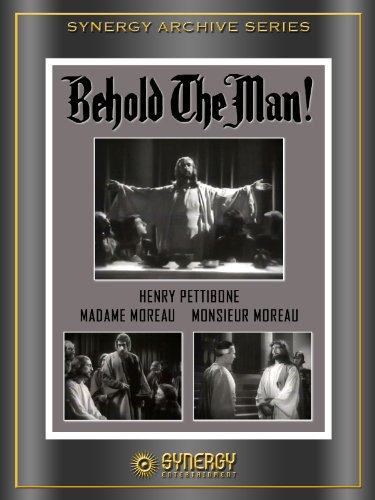
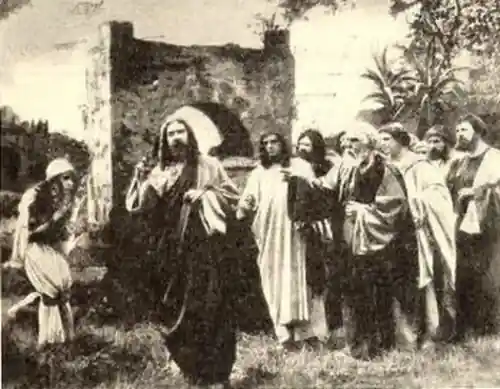
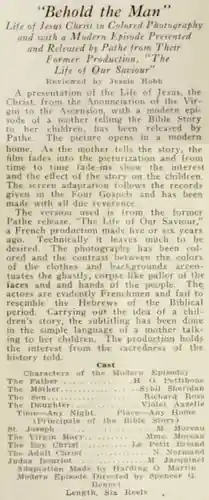
A mother tells the Bible Story to her children, including the life of Christ from the Annunciation to the Ascension. As the mother tells the story, the film fades into a picturization and periodically fades back to show the children's interest and reactions.
h2 { color: #C2410C; font-size: 24px; margin-top: 30px; } p { line-height: 1.8; margin-bottom: 20px; } .highlight { color: #EAB308; font-weight: bold; } .accent { color: #0E7490; } Behold the Man is not merely a film; it is an act of theatrical alchemy, transforming the sacred into the intimate...
still_frame
publicity

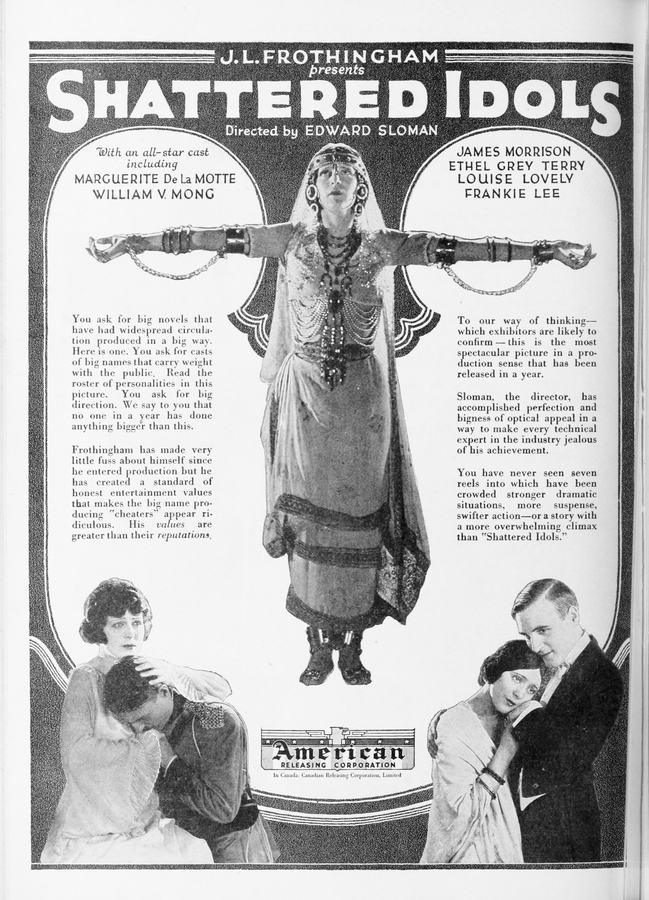
Comparing the cinematic DNA and archive impact of two defining moments in cult history.
Spencer Gordon Bennet
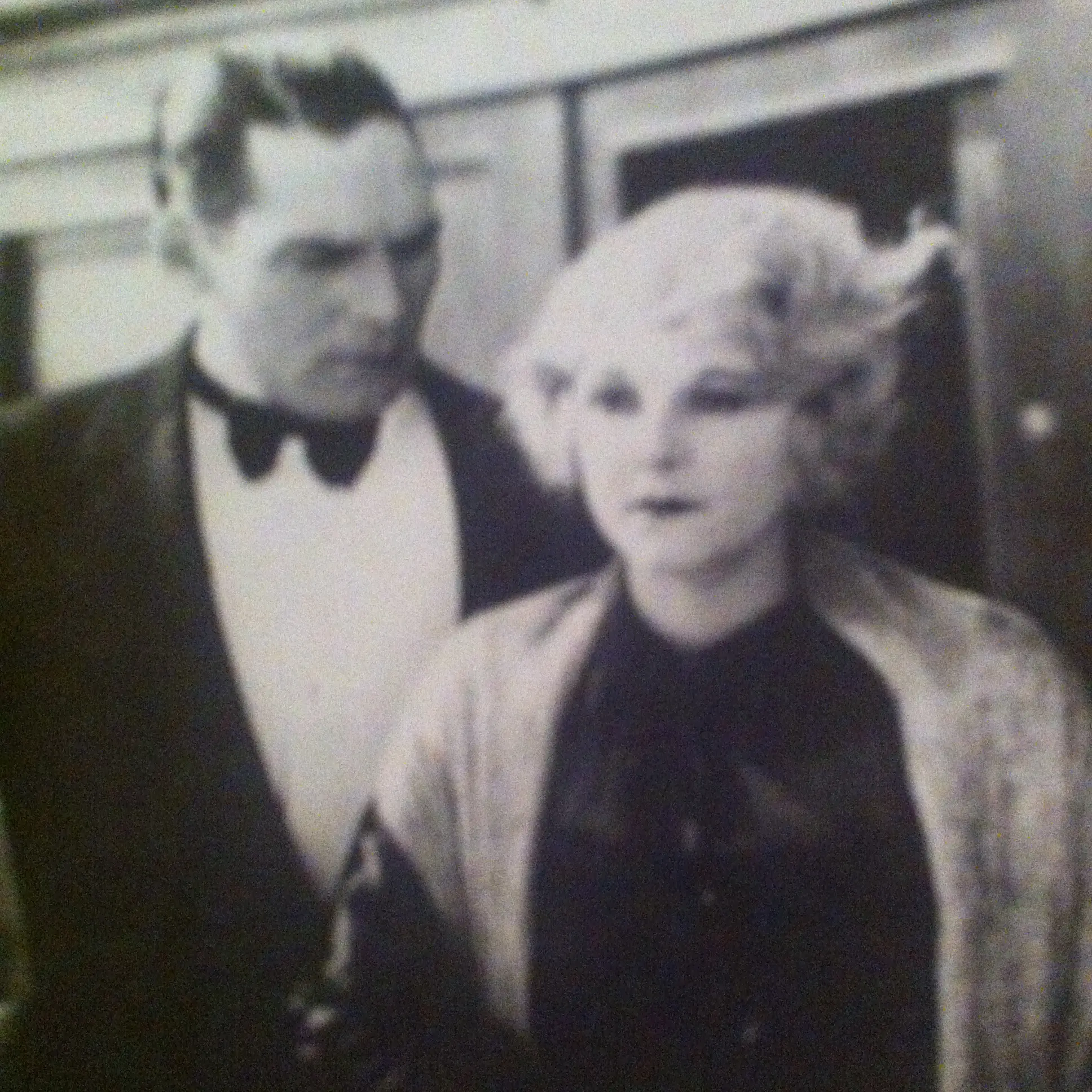
Spencer Gordon Bennet
Community
Log in to comment.
" h2 { color: #C2410C; font-size: 24px; margin-top: 30px; } p { line-height: 1.8; margin-bottom: 20px; } .highlight { color: #EAB308; font-weight: bold; } .accent { color: #0E7490; } Behold the Man is not merely a film; it is an act of theatrical alchemy, transforming the sacred into the intimately human. From its opening shot—a mother (Jacques Normand) seated in a dimly lit parlor, her voice a steady stream of consciousness—the film establishes a tension between the tempo..."
United States
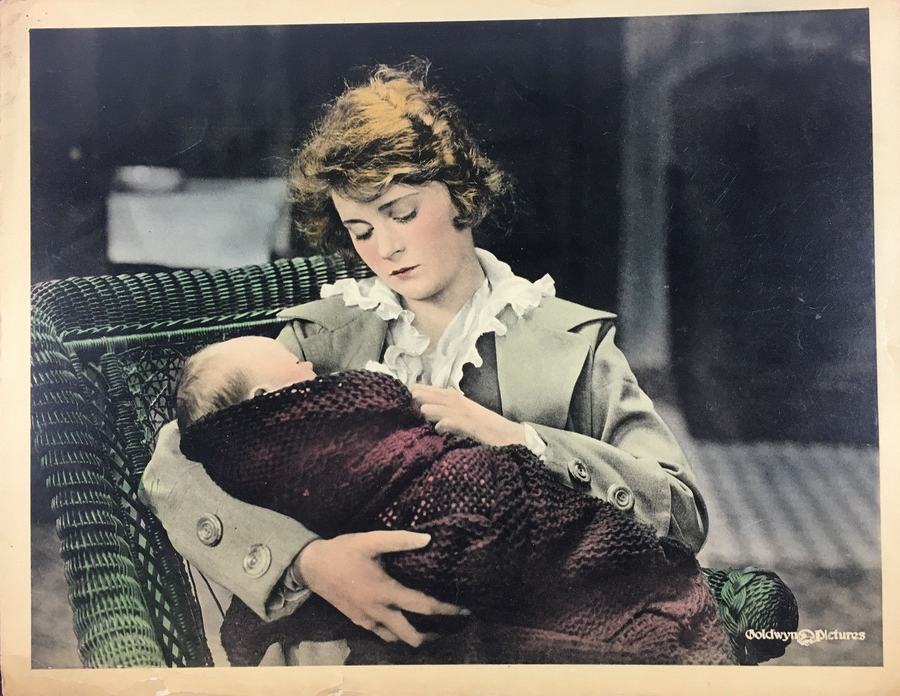

Deep dive into the cult classic
Discover similar cinematic experiences
A Directorial Spotlight on Spencer Gordon Bennet