DbcultAccessing Vault...
8.1/10
Senior Film Conservator
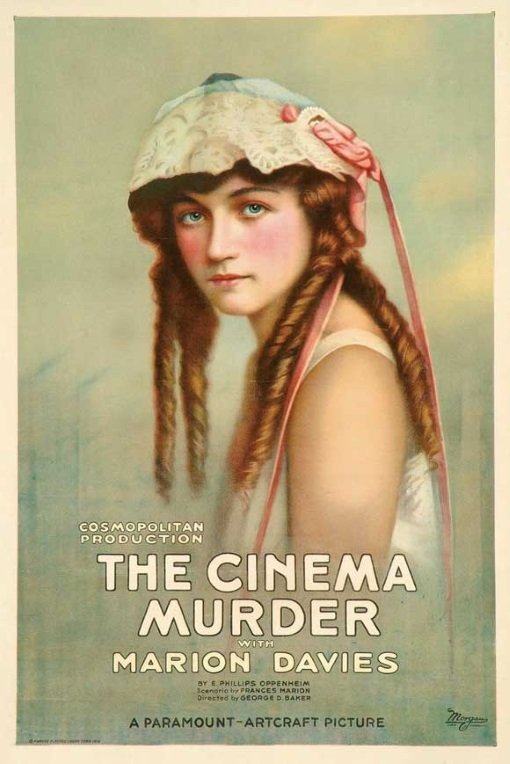
A definitive 8.1/10 rating for a film that redefined the boundaries of cult cinema. The Cinema Murder remains a cornerstone of transgressive art.
Stepping into the flickering grandeur of 1922 cinema, one encounters a narrative tapestry as rich and intricate as any modern thriller, yet imbued with the distinct charm and dramatic intensity unique to the silent era. The Cinema Murder, a compelling vehicle for the luminous Marion Davies, is far more than a simple melodrama; it’s a sophisticated exploration of ambition, manipulation, and the intoxicating allure of deception, all set against the glamorous yet cutthroat backdrop of the burgeoning entertainment industry. This film, directed with a keen eye for suspense and character nuance, plunges its audience into a world where artistic dreams clash with predatory power, and where the lines between theatrical performance and real-life intrigue blur with fascinating fluidity.
At the heart of this intricate tale is Elizabeth Dalston, portrayed with captivating vulnerability and burgeoning strength by Marion Davies. Davies, often unfairly overshadowed by her personal life, consistently delivered performances of remarkable depth and charisma. Here, she embodies the quintessential aspiring actress, brimming with talent and an earnest desire to make her mark. Her initial scene, rehearsing a murder for a film, is a meta-commentary in itself, foreshadowing the very real dramatic entanglements that will soon engulf her. Davies conveys the raw emotion of a young woman on the cusp of discovery, only to have her dreams summarily dashed by the arbitrary whims of power. It’s a testament to her skill that she makes Elizabeth’s journey from wide-eyed ingénue to seasoned performer both believable and deeply empathetic. Her expressiveness, a cornerstone of silent acting, is particularly poignant, allowing audiences to feel every tremor of hope, every sting of betrayal, and every surge of burgeoning love without a single spoken word.
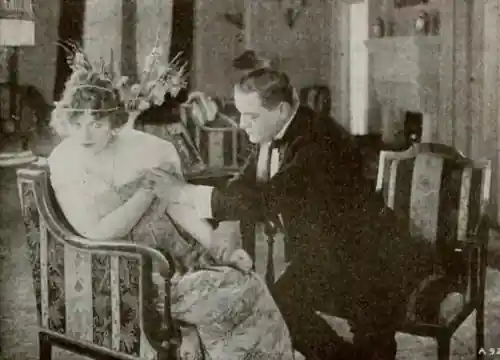
The early setback in Elizabeth’s career, orchestrated by the formidable Wall Street backer Sylvanus Power, is not merely a plot device; it’s a stark illustration of the era’s power dynamics. Power, brought to life with imposing gravitas by Anders Randolf, represents the insidious influence of wealth and control over artistic merit. His proposition to Elizabeth – a dramatic education in England, followed by the promise of her own theater – is cloaked in beneficence but dripping with predatory intent. It’s a classic Faustian bargain, one that Davies’s Elizabeth navigates with an innocence that gradually hardens into resilience. This dynamic, where a powerful man attempts to mold and possess a talented young woman, resonates with timeless discomfort, and Davies’s portrayal ensures that Elizabeth remains a figure of agency, even when seemingly trapped by circumstance.
Elizabeth’s sojourn in England marks a pivotal shift, transforming the narrative from a character study of ambition into a thrilling mystery steeped in mistaken identity and fraternal conflict. The chance encounter with the Romilly brothers, Philip and Douglas, is a masterstroke of plotting by Frances Marion and E. Phillips Oppenheim, whose original story provides the intricate framework. The ensuing altercation, culminating in Douglas’s apparent death, injects a sudden, visceral jolt of suspense. It’s a moment that could easily veer into melodrama, but the film handles it with a restraint that magnifies its impact.
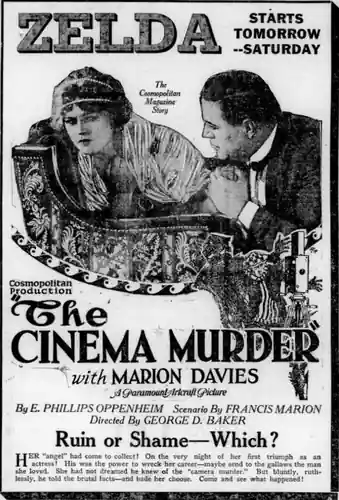
Nigel Barrie, as Philip Romilly, steps into this maelstrom of intrigue with a compelling blend of desperation and charm. His decision to impersonate his supposedly deceased brother, driven by a desire to protect Douglas’s reputation and a pregnant lover, is a morally ambiguous choice that immediately complicates the audience’s perception of him. This kind of elaborate deception, where identity itself becomes a malleable performance, finds echoes in classic narratives like The Count of Monte Cristo, though here the stakes are more intimately personal than grand vengeance. Philip’s confession to Elizabeth aboard the steamer, a carefully constructed fabrication, is where the true heart of their evolving relationship begins to beat. Elizabeth, convinced by his sincerity and moved by his plight, becomes an unwitting accomplice, a testament to the power of shared vulnerability and emergent affection.
The return to New York sees the romance between Elizabeth and Philip blossom, intertwined with their professional aspirations. Elizabeth, now armed with a newfound confidence and the subtle influence gained from Power's misguided patronage, champions Philip’s play. This act of faith not only elevates Philip's creative vision but also showcases Elizabeth’s burgeoning power as a theatrical force. The play’s success, both critically and commercially, is a joyous affirmation of their shared artistic passion, a moment of pure, unadulterated triumph that feels earned and resonant. Davies’s performance during these scenes is particularly radiant, conveying the thrill of artistic recognition and the profound joy of a love that has overcome significant obstacles.
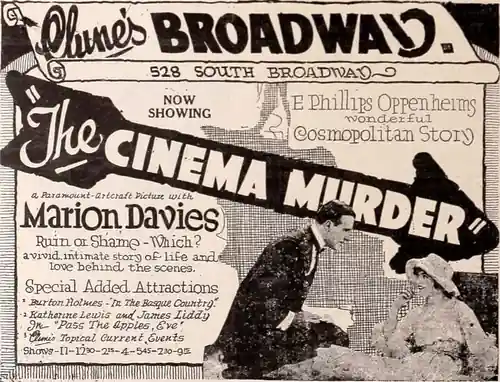
However, the narrative is far from over. Power, having invested in Elizabeth's career, now sees his opportunity to claim his perceived prize. His renewed proposition to Elizabeth, juxtaposed against her palpable devotion to Philip, is a moment of stark dramatic tension. Randolf’s portrayal of Power is nuanced enough that his defeat feels less like villainous comeuppance and more like a grudging acknowledgment of an undeniable, authentic connection. The summoning of Scotland Yard detectives, a desperate act of a man scorned and outmaneuvered, ratchets up the suspense to a fever pitch. It’s a classic setup for a dramatic reveal, and the film delivers with satisfying precision.
The dramatic reappearance of Douglas Romilly is the ultimate unmasking, a theatrical flourish that disentangles the intricate web of deceit and clears Philip’s name. This denouement, while perhaps a convenient resolution, serves the film’s larger thematic purpose: the triumph of truth and genuine affection over manipulation and falsehood. Power’s gracious admission of defeat, far from being a simple surrender, elevates his character, suggesting a man capable of recognizing a love stronger than his own possessive desires. It’s a surprisingly mature resolution for a film of this era, eschewing outright punishment for a more contemplative acceptance of fate.
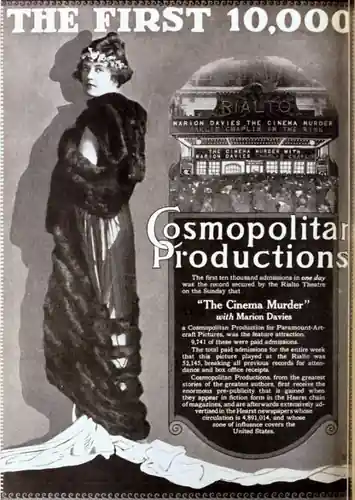
Thematically, The Cinema Murder is remarkably rich. It probes the nature of identity, both literal and performed, a concept intrinsically linked to the theatrical world Elizabeth and Philip inhabit. The constant interplay between what is seen and what is real, what is staged and what is authentic, is a recurring motif. The film also delves into the fraught relationship between art and capital, a struggle as relevant today as it was a century ago. Power’s attempt to buy talent and affection represents the commodification of art, while Elizabeth and Philip’s journey champions its inherent value and transformative power. This struggle for artistic integrity against the pressures of financial control is a compelling undercurrent, making the film feel surprisingly modern in its commentary.
Beyond its compelling narrative, The Cinema Murder showcases the impressive craftsmanship of silent filmmaking. The use of intertitles, far from being a mere necessity, becomes an art form in itself, often delivering crucial plot points and character insights with elegant brevity. The cinematography, with its dramatic lighting and expressive close-ups, effectively conveys mood and emotion, drawing the audience into the characters’ inner worlds. The pacing is deliberate, allowing moments of quiet intimacy to breathe before plunging back into the thrilling machinations of the plot.
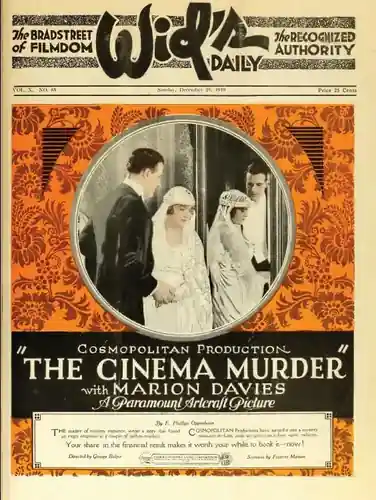
Frances Marion’s screenplay, adapted from E. Phillips Oppenheim’s work, is particularly noteworthy. Marion was a prolific and highly respected writer in Hollywood, known for her ability to craft engaging narratives and strong female characters. Her touch is evident in Elizabeth Dalston, who, despite being initially manipulated, grows into a resourceful and determined individual. This strength of character, a hallmark of many of Marion's protagonists, is what elevates Elizabeth beyond a damsel in distress, making her journey of self-discovery and agency truly compelling. Her ability to weave together elements of romance, mystery, and social commentary into a cohesive and entertaining whole speaks volumes about her mastery of the craft.
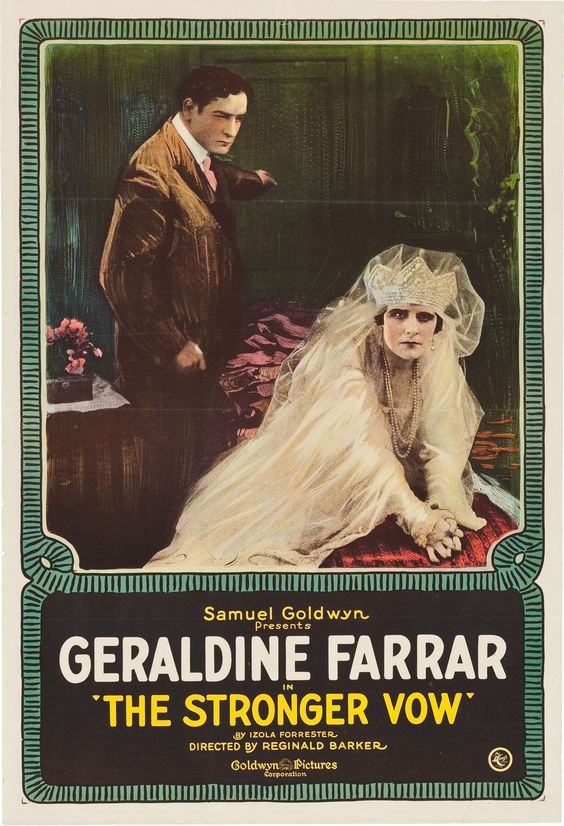
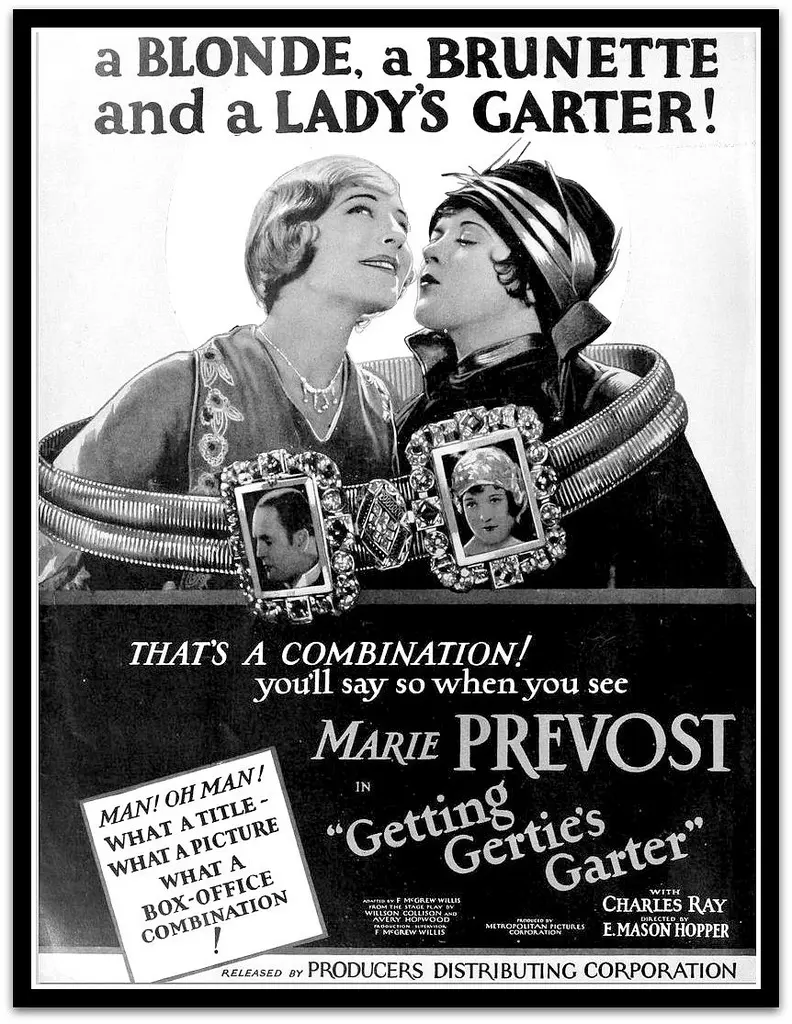
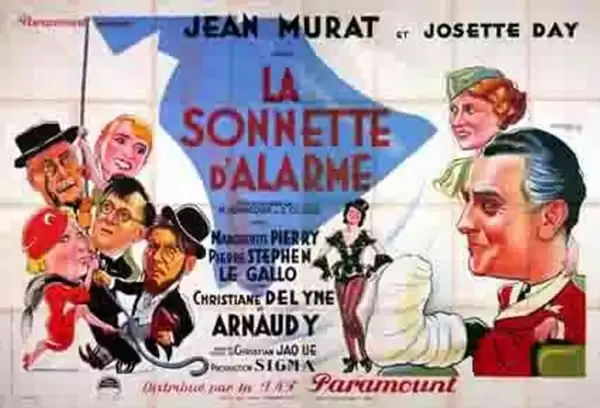
Comparing The Cinema Murder to other films of its era, one finds it stands out for its blend of genres and its sophisticated character development. While other films like The Evil Women Do might focus more singularly on villainy, or Ruler of the Road on adventure, this film deftly combines elements of romantic drama, mystery, and social critique. The theme of disguise and mistaken identity, while not unique (one might recall the intricate plot twists in Das Maskenfest des Lebens, though perhaps with different motivations), is handled here with a focus on its emotional repercussions rather than purely comedic or thrilling ones. The way Elizabeth's personal and professional life become inextricably linked, and how her success is tied to her navigating complex moral landscapes, offers a fascinating parallel to the struggles of protagonists in films like Az impresszárió, where the world of theater and personal ambition often collide with unexpected consequences.
In conclusion, The Cinema Murder is a testament to the enduring power of silent cinema. It’s a film that manages to be both a thrilling page-turner (or rather, reel-turner) and a thoughtful character study, all brought to life by a stellar cast, particularly the radiant Marion Davies. Its exploration of ambition, deception, and the triumph of genuine human connection over manipulative power remains as compelling today as it was a century ago. For those who appreciate the artistry and narrative ingenuity of the silent era, this film is an absolute must-see, offering a glimpse into a bygone cinematic world that, far from being primitive, was rich with innovation and profound storytelling. It reminds us that sometimes, the most dramatic declarations are made in silence, amplified by the universal language of human emotion and the timeless allure of a well-told tale.
IMDb —
1913
Community
Log in to comment.