Summary
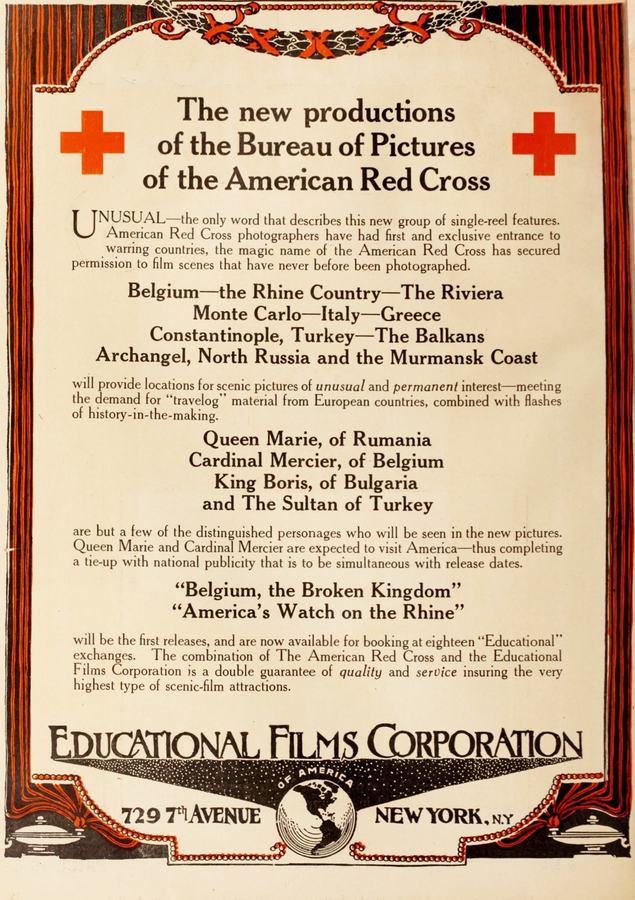
“Belgium, the Broken Kingdom” unfurls a tapestry of profound human endurance against the cataclysmic backdrop of the German invasion of Belgium during the Great War. The narrative intricately interlaces the trajectories of two distinct Belgian families, each grappling with the seismic shifts wrought by conflict. In the hallowed intellectual corridors of Leuven, the esteemed De Clercq lineage, personified by the ardent young poet Henri, finds its world irrevocably shattered. Henri, driven by a burgeoning sense of national identity, descends into the perilous shadows of the nascent resistance movement, witnessing firsthand the systematic immolation of cultural heritage, most poignantly the burning of Leuven's venerable library. Concurrently, in the agrarian heartland near Liège, the stoic Dubois family endures its own crucible. Their daughter, Elise, a beacon of nascent idealism, transforms into a frontline nurse, her youthful optimism progressively eroded by the relentless tide of suffering and the agonizing ethical dilemmas inherent in wartime triage. Hovering between these narratives is Captain Klaus Richter, a German intelligence officer, whose initial professional detachment slowly yields to a gnawing moral conflict as he observes the unyielding spirit of the occupied populace and the escalating brutality of his own command. The film meticulously charts their divergent yet converging paths through a landscape scarred by warfare and punctuated by acts of both immense cruelty and extraordinary compassion, culminating not in a definitive resolution, but in a searing testament to the indelible scars etched upon a nation and its people, a kingdom fractured yet defiantly unbowed.
Review Excerpt
"
From the very first frame, Belgium, the Broken Kingdom plunges its audience into the maelstrom of a nation under siege, crafting a cinematic experience that is both profoundly moving and relentlessly unflinching. This is not merely a historical recounting; it is a visceral journey into the heart of a people’s struggle, a meticulously rendered portrait of resilience painted against the brutal canvas of World War I. Director Etienne Renard, working from a masterfully intricate screen..."