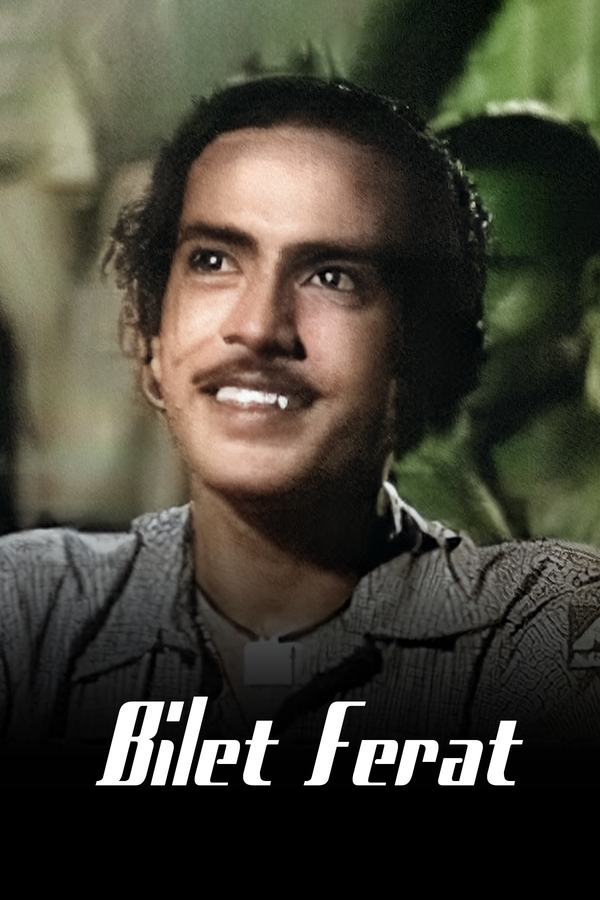
This famous satire contrasts conservative Bengali culture with that of the colonial elite. It is the story of a young Indian who returns to his native land after a long absence.
Satire, at its most incandescent, never merely mocks; it X-rays the marrow of its epoch, exposing hairline fractures the audience did not know it had. Bilet Ferat—literally “Foreign Returned”—is that scalding beam aimed at the Bengali bhadralok circa 1923, when Calcutta’s streets still echoed with horse-hooves and the...
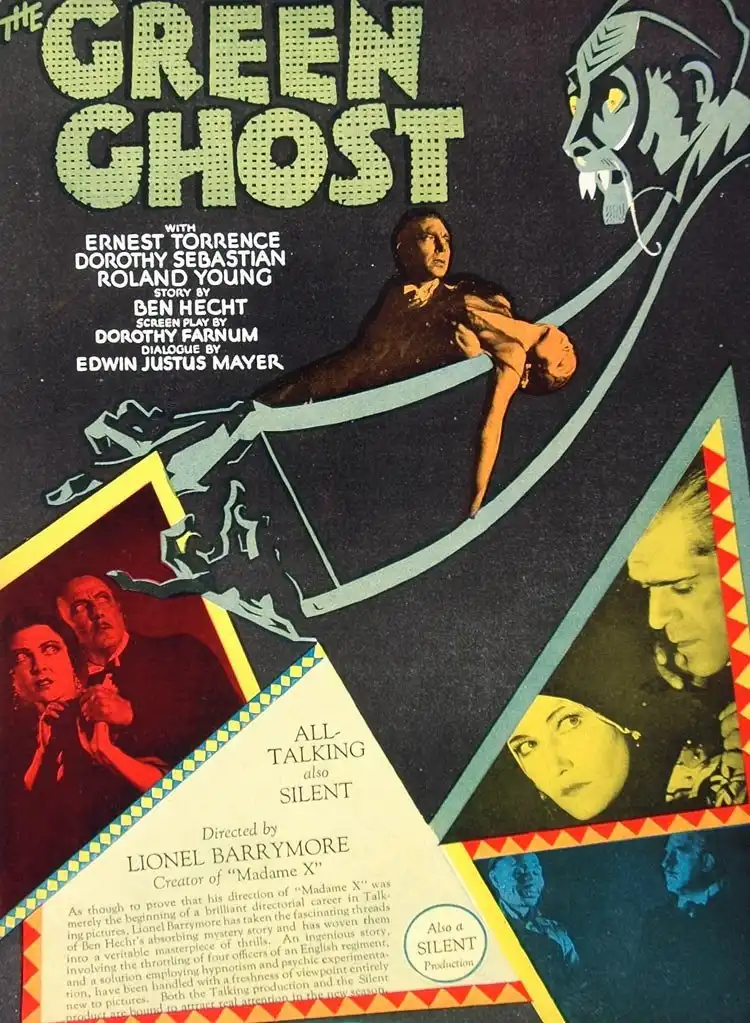
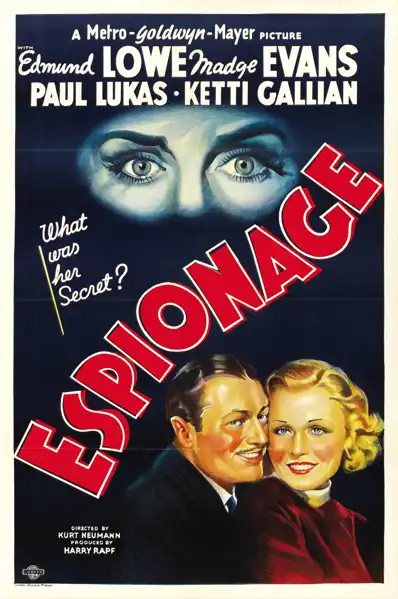
Comparing the cinematic DNA and archive impact of two defining moments in cult history.
Nitish Chandra Lahiri

Henry Edwards
Community
Log in to comment.
" Satire, at its most incandescent, never merely mocks; it X-rays the marrow of its epoch, exposing hairline fractures the audience did not know it had. Bilet Ferat—literally “Foreign Returned”—is that scalding beam aimed at the Bengali bhadralok circa 1923, when Calcutta’s streets still echoed with horse-hooves and the whispered promises of Empire. Nitish Chandra Lahiri’s screenplay, laced with the tartness of green mangoes, weaponizes the oldest trope in storytelling: homecoming. Yet every fami..."
Shishubala
Nitish Chandra Lahiri
India
1920 · IMDb 8.4
Henry Edwards
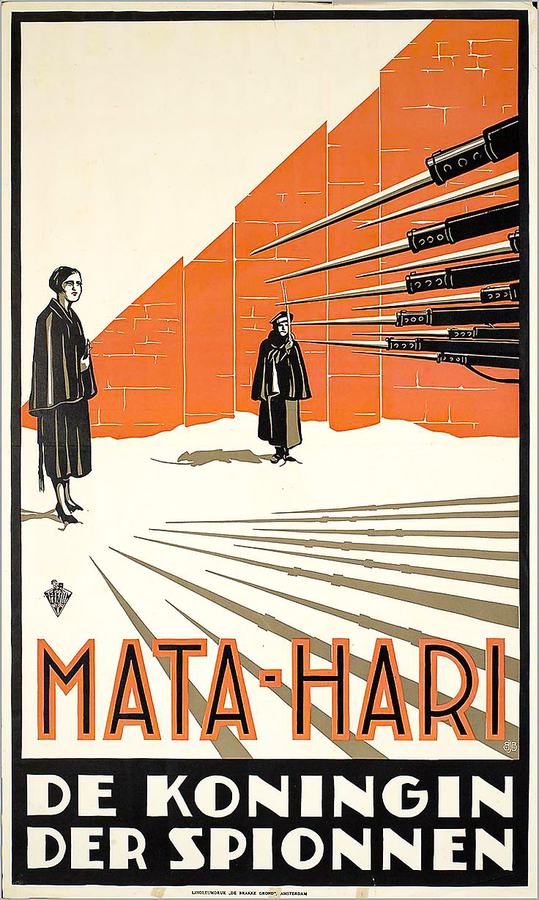
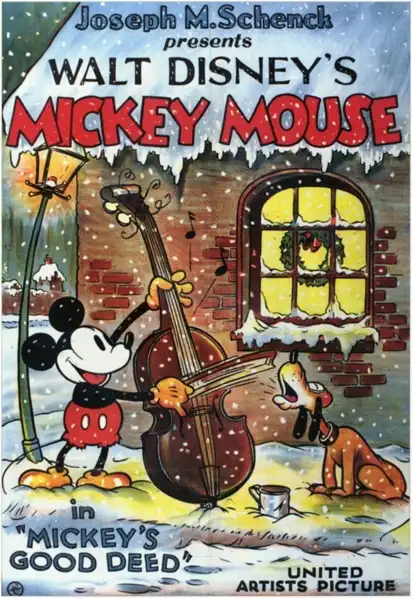
Deep dive into the cult classic
Discover similar cinematic experiences
A Directorial Spotlight on Nitish Chandra Lahiri