DbcultAccessing Vault...
Cult Review
Senior Film Conservator
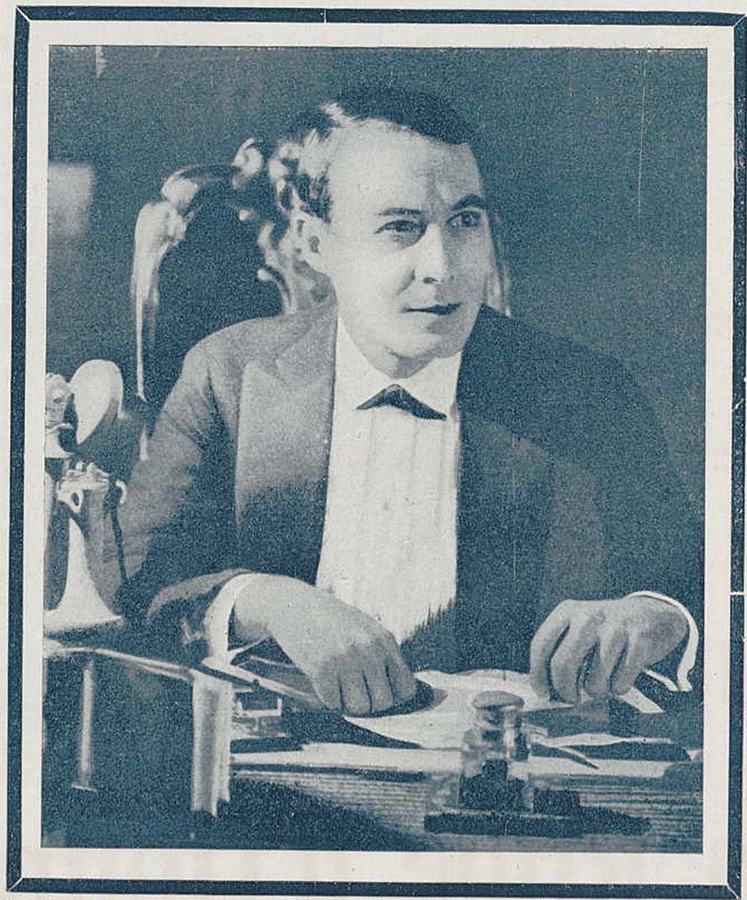
Stepping back into the silent era is always an adventure, a journey to a time when storytelling relied on visual poetry and the raw power of performance. And in that vast, often overlooked landscape, His Robe of Honor emerges as a fascinating, if sometimes morally simplistic, exploration of human fallibility and the arduous path to redemption. This isn't just a historical curiosity; it’s a narrative that, despite its age, still resonates with surprisingly contemporary themes of political corruption and personal integrity.
The film introduces us to Julian Randolph, portrayed with a compelling blend of cynicism and latent potential by Henry B. Walthall. Randolph is not merely a lawyer; he is an architect of legal deception, a man whose professional reputation is built on the dubious foundation of fabricated juries. His specialty isn't winning cases through legal brilliance, but through the strategic placement of pliable individuals in the jury box, ensuring verdicts are predetermined. This immediately sets him apart from the typical cinematic protagonist, presenting us with a character whose moral compass is not just askew, but seemingly non-existent. It’s a bold choice for a silent film, often prone to more straightforward heroes and villains, and it allows for a richer character arc to unfold.
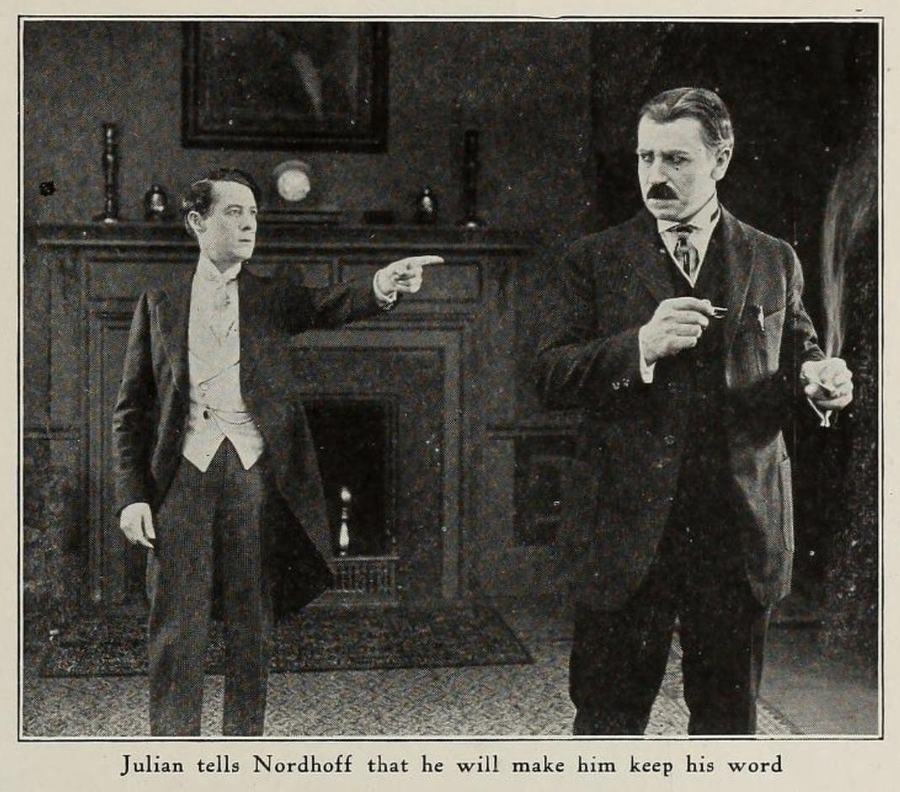
The plot thickens with the arrival of 'Boss' Nordhoff, a figure of formidable political power, brought to life with imposing gravitas by Noah Beery. Nordhoff is the quintessential political puppeteer, pulling strings from the shadows, and his brother, Clifford, finds himself embroiled in a murder charge. This is where Randolph’s particular set of skills becomes indispensable. Nordhoff offers Randolph a judgeship, a position of immense civic authority and respect, but at a steep price: he must clear Clifford. The irony is palpable; a man who routinely undermines the judicial system is offered its highest honor, contingent upon his continued subversion of justice. It's a Faustian bargain, one that Randolph, in his initial moral vacuum, readily accepts.
Randolph, utilizing his well-honed methods of jury manipulation, predictably secures Clifford's acquittal. The promised judgeship is bestowed upon him, a testament to the pervasive corruption of the era, where power and influence could bend the very tenets of law. This initial segment of the film is a stark portrayal of a system compromised, where justice is a commodity to be bought and sold. It draws parallels, perhaps unintentionally, with the stark social commentary found in films like The Regeneration, which also explored the darker underbelly of society, albeit from a different angle of urban poverty and crime. Both films, in their own ways, peel back the veneer of respectability to reveal the rot beneath.
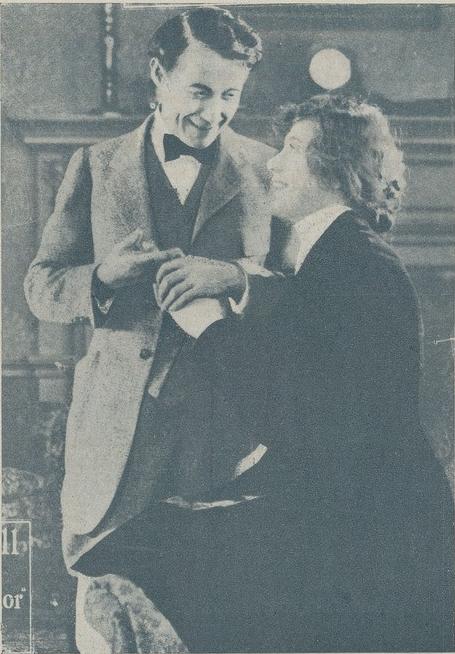
However, the narrative takes a pivotal turn, one that elevates His Robe of Honor beyond a mere exposé of corruption. Randolph, now a judge, is expected to remain subservient to the political machine that elevated him. His benefactors anticipate continued loyalty, a steady hand in safeguarding their interests from the bench. But then, Laura Nelson enters his life. Played with an ethereal grace by Lois Wilson, Laura is the embodiment of virtue and social standing. Her presence acts as a catalyst, igniting a flicker of conscience within Randolph, a man who seemed utterly devoid of it. The burgeoning romance isn't just a plot device; it's the very engine of his moral transformation, a classic trope handled here with a sincerity that transcends its familiar structure.
The contrast between Laura and Roxana Frisbee, portrayed by Mary Charleson, is crucial. Roxana is an adventuress, a woman who has been Randolph's accomplice in his shady dealings, privy to his machinations and perhaps even complicit in them. She represents his past, his morally compromised existence. Laura, on the other hand, symbolizes a future of integrity, respectability, and genuine affection. Randolph's decision to break off with Roxana is not merely a romantic choice; it's a symbolic rejection of his former self, a definitive step towards rectitude. This internal conflict, though conveyed without dialogue, is powerfully communicated through Walthall's nuanced expressions and body language, a testament to the artistry of silent film acting.
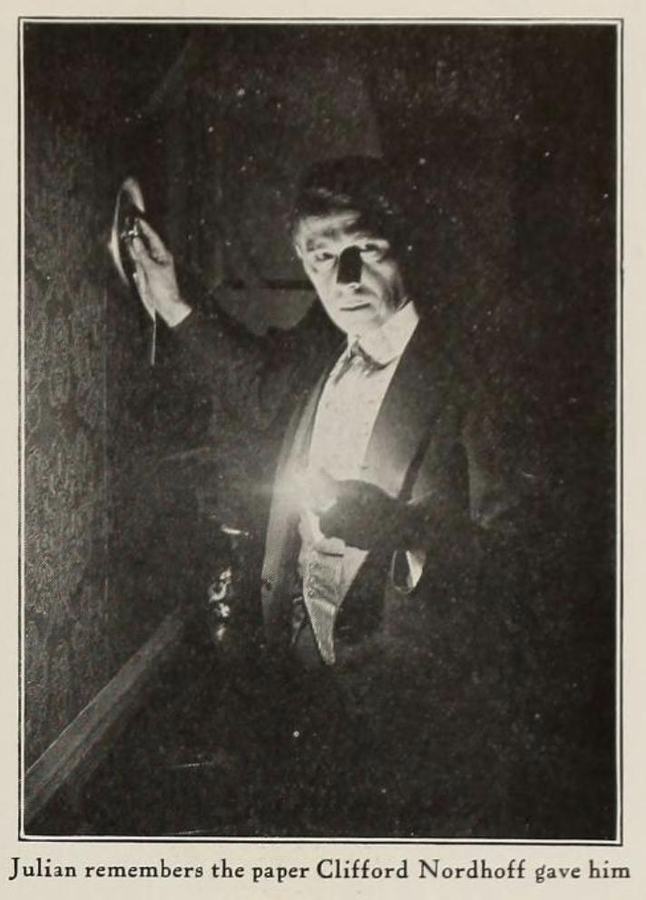
The film then shifts into a compelling struggle for Randolph's soul, played out against the backdrop of the courtroom. The political machine, accustomed to its judge's obedience, expects him to deliver rulings in their favor, to continue to be their instrument. But the influence of Laura, and the awakening of his own dormant conscience, compels him to resist. This is where His Robe of Honor truly shines, showcasing the internal battle of a man attempting to shed the shackles of his past. It's a theme that echoes in other films of the era, such as The Silent Battle, where characters also face profound moral dilemmas and personal struggles against powerful external forces.
The climax sees Randolph defying the very powers that put him on the bench. He refuses to hand down a decision that would serve the political machine, choosing instead to uphold the true spirit of justice. This act of defiance is courageous, dangerous, and ultimately redemptive. It's a satisfying arc, even if some might argue its suddenness strains credulity. The silent film narrative often embraced such swift moral transformations, prioritizing thematic clarity over gritty realism. Yet, within its own framework, it works beautifully. The audience is invited to believe in the power of love and personal conviction to overhaul even the most hardened of hearts.
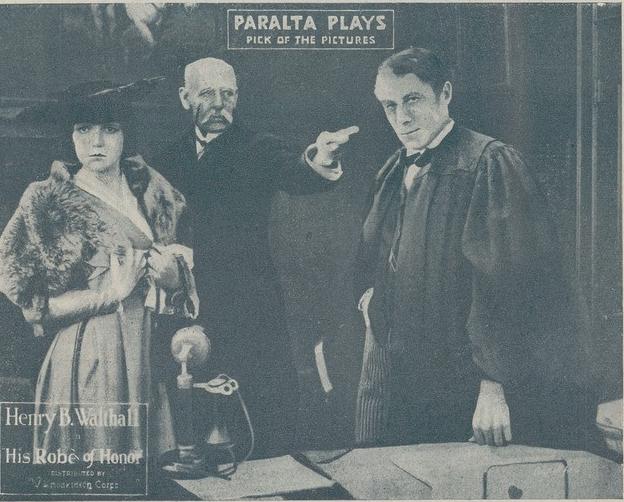
The resolution is perhaps the most overtly optimistic element of the film. Randolph not only upholds justice but also wins Laura's hand in marriage, symbolizing his complete integration into a life of honor and respectability. But what truly elevates the ending beyond simple wish fulfillment is the unexpected turn for Roxana Frisbee. Instead of being cast aside as a relic of Randolph's sordid past, she, too, finds her own path to redemption. This parallel transformation adds a layer of depth, suggesting that moral awakening isn't exclusive to the protagonist, but a possibility for anyone, regardless of their past transgressions. It’s a subtle but powerful message, moving beyond a singular hero's journey to hint at a broader capacity for societal reform, one person at a time.
Visually, His Robe of Honor employs many of the conventions of early cinema, relying on clear visual cues, expressive acting, and intertitles to convey dialogue and exposition. The cinematography, while perhaps not groundbreaking for its time, effectively captures the mood and tension of the courtroom drama and the more intimate moments of budding romance. The performances are particularly noteworthy. Henry B. Walthall, a seasoned actor of the era, imbues Randolph with a nuanced complexity that transcends the often-melodramatic tendencies of silent film. His journey from cynical manipulator to righteous defender of justice is believable because Walthall allows glimpses of that dormant conscience to peek through even in Randolph’s darkest moments. Noah Beery, as 'Boss' Nordhoff, is a formidable antagonist, his imposing physical presence and menacing gaze perfectly embodying the corrupting influence of unchecked power.
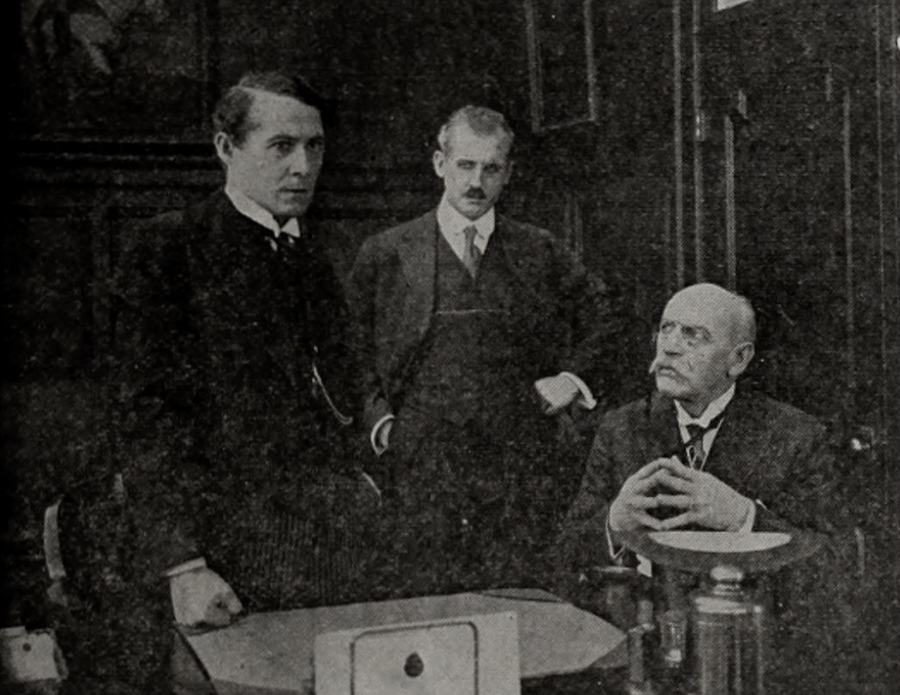
The film's writers, James Dorrance, Julian La Mothe, and Ethel Dorrance, crafted a story that, while adhering to certain genre expectations, manages to inject a surprising amount of moral ambiguity into its initial premise. Their ability to set up Randolph as a genuinely unsympathetic character at the outset makes his eventual transformation all the more impactful. It's not a story of a good man momentarily led astray, but of a compromised individual finding his moral compass, a far more challenging and ultimately rewarding narrative to explore. This depth of character writing, even within the confines of silent film, is commendable.
Comparing it to other films of the period, His Robe of Honor stands out for its focus on the legal system and political machinations, a theme that would become more prevalent in later decades of cinema. While films like Sudden Jim or Mountain Dew might have explored themes of community and personal growth, His Robe of Honor delves into the institutional corruption that can erode public trust. It's less about the individual's struggle against nature or circumstance, and more about the individual's struggle against a corrupt system, and, crucially, against their own corrupted nature. The film's message, that even those who benefit from injustice can choose a different path, remains timeless and relevant, especially in an era where public trust in institutions is often tenuous.
In conclusion, His Robe of Honor is a compelling drama that offers more than just a glimpse into early cinematic techniques. It provides a nuanced character study of a man's journey from moral depravity to principled integrity, driven by love and a rediscovered sense of justice. The performances are strong, the narrative engaging, and its thematic resonance endures. It’s a powerful reminder that even in the silent era, filmmakers were tackling complex ethical questions with artistry and conviction. For anyone interested in the evolution of cinematic storytelling, or simply in a good old-fashioned tale of redemption, this film is absolutely worth seeking out. It reminds us that the fight for justice, and the courage to choose the right path, are universal human experiences, regardless of the technological advancements of the medium through which they are told.
IMDb 5.8
1936
Community
Log in to comment.