DbcultAccessing Vault...
4/10
Senior Film Conservator
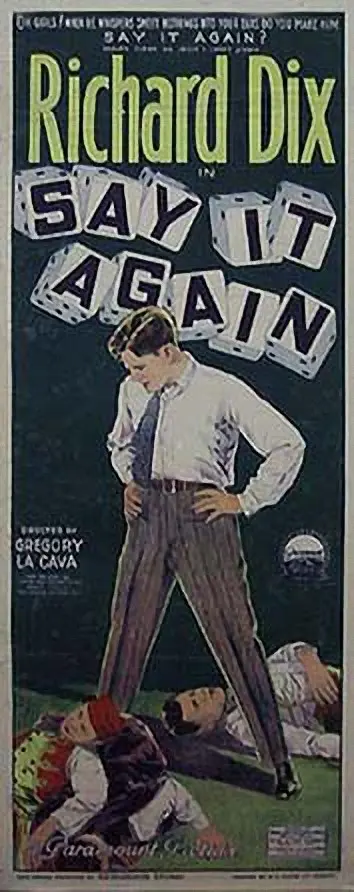
A definitive 4/10 rating for a film that redefined the boundaries of cult cinema. Say It Again remains a cornerstone of transgressive art.
Short answer: Yes, Say It Again is absolutely worth watching today, especially for silent film enthusiasts and those with a penchant for classic romantic comedies. Is it a timeless masterpiece? Perhaps not, but its unique blend of wartime romance and farcical mistaken identity offers a delightful escape that transcends its era. This film is for anyone who appreciates the nuanced storytelling of the silent era, enjoys a lighthearted romantic romp, and isn't afraid of a narrative that takes its time to build its charm. It is decidedly NOT for viewers seeking fast-paced action, gritty realism, or those who find the conventions of early 20th-century cinema too challenging to engage with.
In an age saturated with sound and fury, there's a particular magic to silent cinema. Say It Again, a 1926 romantic comedy starring the inimitable Richard Dix and the graceful Alyce Mills, serves as a poignant reminder of this charm. It’s a film that asks its audience to lean in, to interpret the nuanced expressions and grand gestures that once formed the bedrock of cinematic storytelling. And, for the most part, it rewards that effort handsomely.
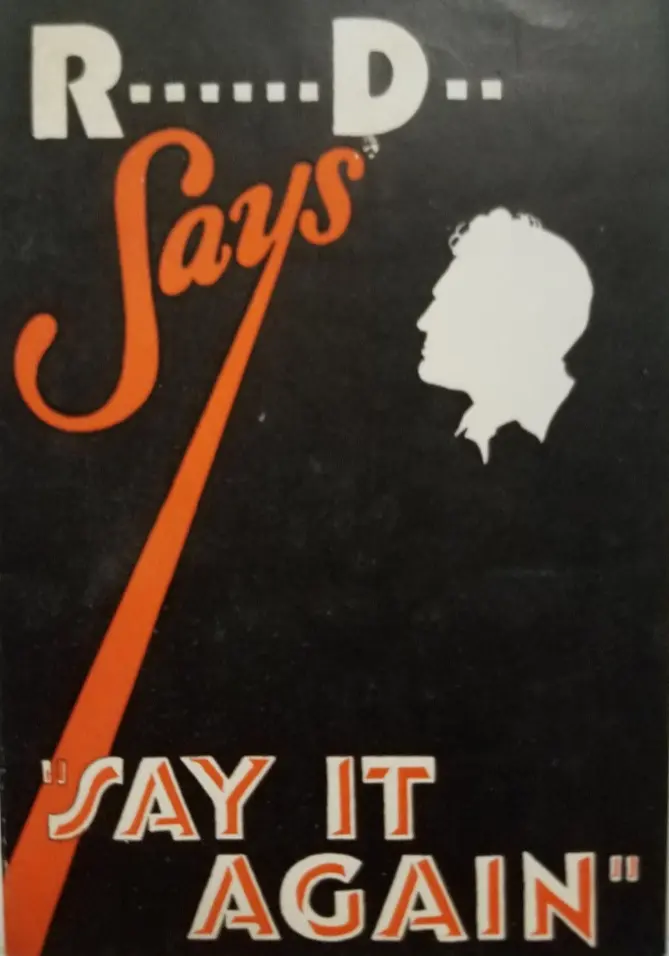
The film works because of its ingenious premise, the palpable chemistry between its leads, and its surprisingly effective blend of post-war sentimentality with lighthearted comedic farce. It fails, however, in moments of questionable pacing, particularly in its second act, where the narrative occasionally meanders before snapping back into focus. You should watch it if you're a student of film history, a devotee of romantic comedies, or simply in search of a heartwarming story that offers a glimpse into the sensibilities of a bygone era. It’s a gentle, unassuming picture that, despite its occasional stumbles, leaves a lasting impression of warmth and wit.
The narrative of Say It Again is, at its core, a classic romantic fable twisted through the delightful lens of mistaken identity. We begin in the aftermath of WWI, a setting that provides a surprisingly poignant backdrop for what quickly evolves into a lighthearted comedy. Bob Howard, a wounded soldier, finds solace and love in the eyes of Princess Elena within the confines of a military hospital. This initial setup, while brief, establishes a genuine emotional connection that anchors the more outlandish developments to come. It’s a testament to the script by Richard M. Friel, Luther Reed, and Ray Harris that this initial, fleeting romance feels earned, not merely a plot device.
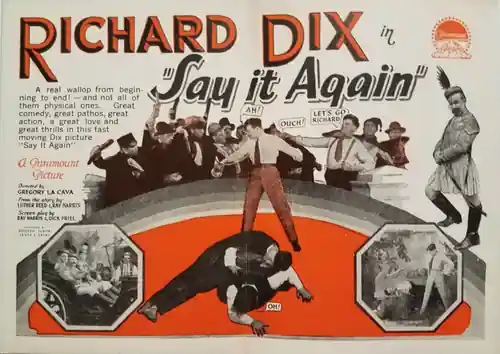
The cruel hand of the Armistice, which separates the lovers, feels like a necessary but abrupt narrative beat, propelling Bob back to America. It's upon his return to Europe that the film truly finds its comedic stride. The mistaken identity plot, where Bob is confused for a Crown Prince destined for marriage, is a well-trodden trope, but Say It Again executes it with a charming earnestness. The film doesn't laboriously explain every detail of the mix-up; rather, it trusts the audience to accept the premise and revel in the ensuing comedic chaos.
The pacing, while mostly effective in setting up the romantic stakes and the comedic misunderstandings, does falter somewhat in the middle section. There are moments where the royal court antics, while visually engaging, could have been tightened to maintain momentum. Director Luther Reed, however, generally keeps the story flowing, relying heavily on visual cues and the expressive performances of his cast to convey the escalating absurdity. The reveal that Elena is the very Princess Bob is meant to marry is handled with a satisfying blend of dramatic irony and romantic payoff, making the journey worthwhile.

The success of any silent film hinges almost entirely on the expressiveness and charisma of its actors, and Say It Again is fortunate to have a strong ensemble, led by the magnetic Richard Dix. Dix, known for his versatility, truly shines here as Bob Howard. His initial portrayal of a wounded, somewhat world-weary soldier is nuanced, conveying vulnerability beneath a stoic exterior. However, it's when he's thrust into the comedic predicament of being a faux Crown Prince that Dix truly comes alive. His physical comedy, often subtle rather than broad, is a joy to watch. Consider the scene where he attempts to navigate the intricate etiquette of royal dining, his eyes wide with barely suppressed panic, or his awkward attempts to charm the Queen (Ida Waterman) while simultaneously trying to decipher the situation. It’s a far cry from the more dramatic roles he'd inhabit in films like The Lost Express, showcasing his impressive range.
Alyce Mills, as Princess Elena, provides an elegant and sympathetic counterpart. Her beauty is undeniable, but it's her ability to convey deep emotion – from the initial blossoming of love to the later confusion and heartbreak – with just a glance or a subtle shift in posture that truly elevates her performance. Her scenes with Dix crackle with a quiet intensity, even without dialogue. The moment she first sees him again, believing him to be a different man, her internal conflict is beautifully rendered through her expressive eyes. It’s a performance that reminds us that true acting transcends spoken words.
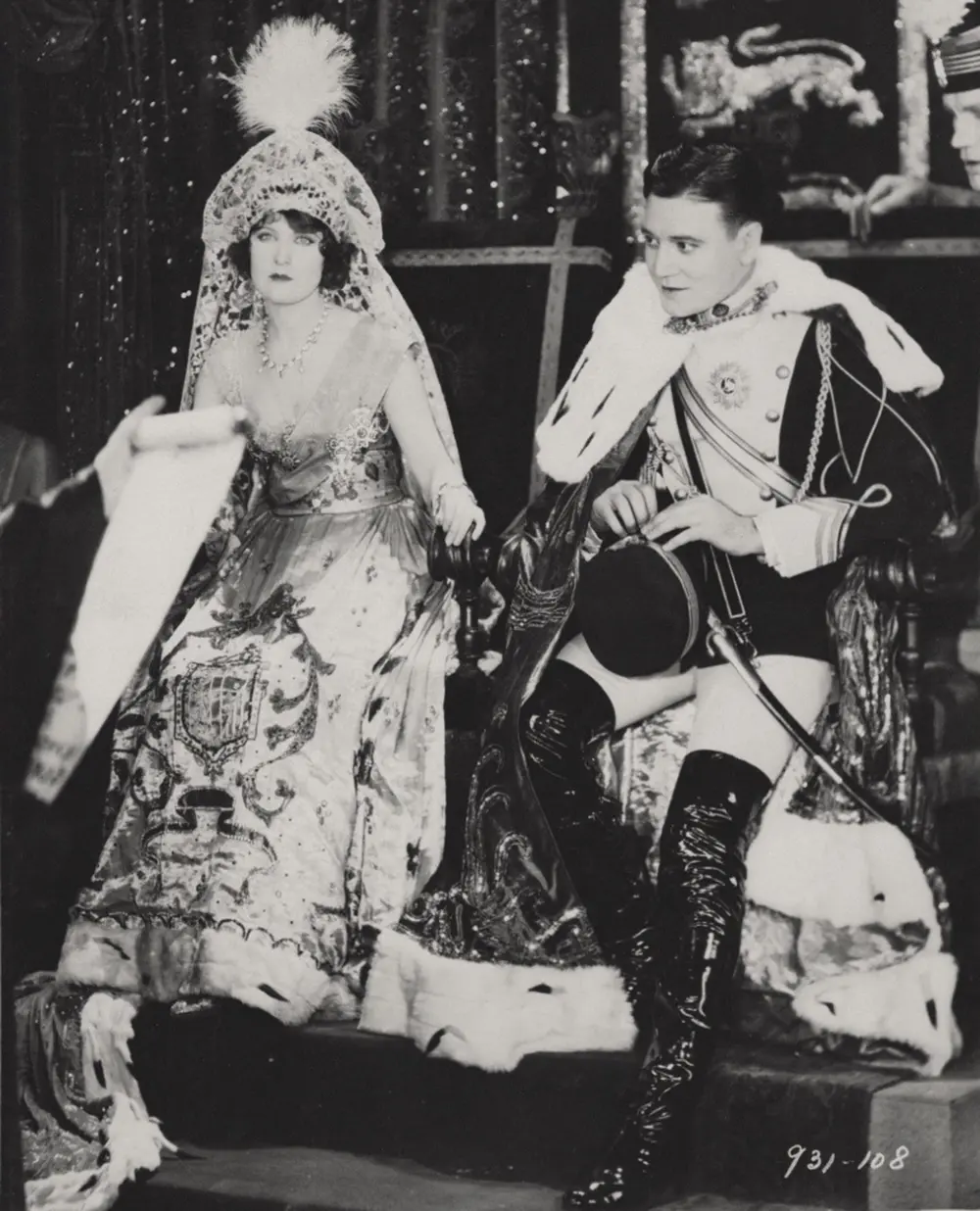
The supporting cast, while not always given the same depth, provides solid comedic and dramatic grounding. Ida Waterman as the Queen is suitably regal and stern, offering a foil for Bob's less-than-princely demeanor. Paul Porcasi and Chester Conklin contribute to the comedic elements, though some of their gags feel more of their time than timeless. Gunboat Smith and Bernard Randall round out the ensemble, adding texture to the bustling hospital and royal court scenes. It’s a collective effort that, despite some minor unevenness, manages to deliver a believable and engaging world.
Luther Reed's direction in Say It Again is a commendable exercise in silent film craftsmanship. He understands the power of visual storytelling, utilizing close-ups to capture the emotional weight of a scene and wider shots to establish the grandeur of the European settings. The cinematography, while not groundbreaking, is consistently clear and effective, ensuring that the audience can follow the intricate plot and character motivations without difficulty. The use of intertitles is judicious, providing necessary dialogue and exposition without overwhelming the visual narrative.
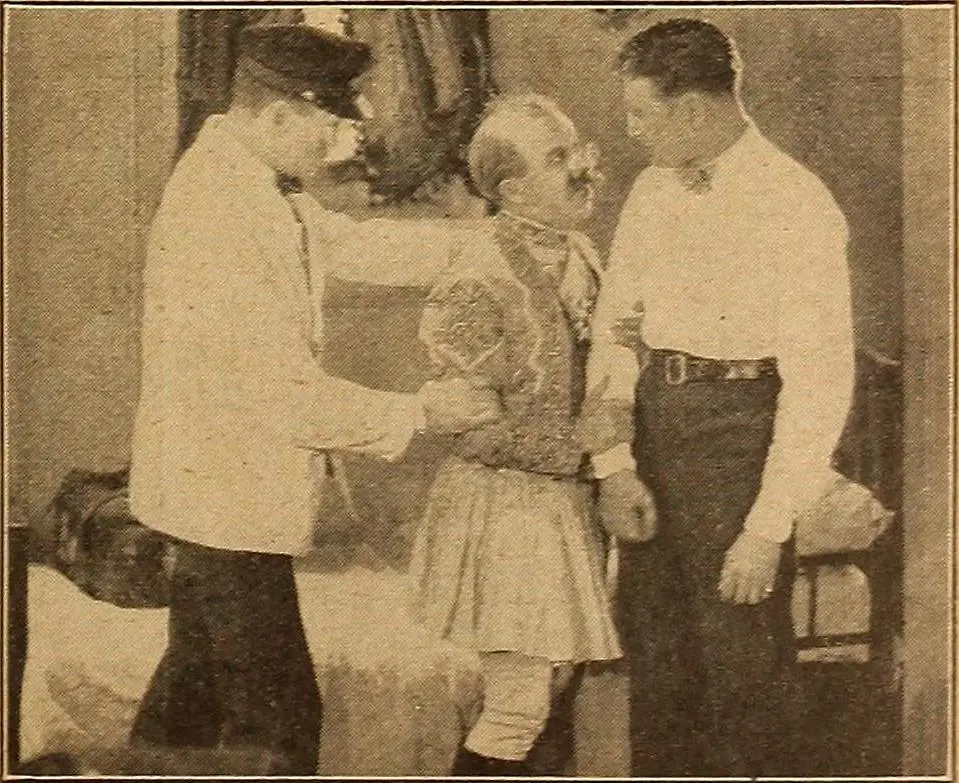
One particularly effective directorial choice is the contrast between the stark, utilitarian setting of the WWI hospital and the opulent, somewhat stifling atmosphere of the royal palace. This visual dichotomy not only highlights Bob Howard's fish-out-of-water predicament but also subtly comments on the societal shifts occurring in the post-war era. The film’s tone, expertly balanced between earnest romance and lighthearted comedy, is a testament to Reed’s steady hand. He never allows the romantic drama to become overly saccharine, nor does the comedy descend into pure slapstick, maintaining a charming equilibrium throughout.
I'd argue that the film’s reliance on physical comedy, while occasionally clunky by today's standards, is precisely what gives it its enduring, if niche, appeal. It forces a different kind of engagement, a more active participation from the viewer. Frankly, modern audiences are too quick to dismiss the emotional depth achievable without spoken words.
Yes, 'Say It Again' offers a charming glimpse into early romantic comedy. It's a sweet, if sometimes slow, silent film. Fans of classic cinema will find much to enjoy. Newcomers might need patience. The film's unique blend of wartime romance and farcical mistaken identity provides a delightful, if occasionally dated, viewing experience. It works. But it’s flawed.
What truly makes Say It Again stand out, beyond its surface-level charm, is its subtle commentary on identity and societal roles in a post-war world. Bob Howard, a common man, is thrust into the role of royalty, and his struggle to conform, while played for laughs, hints at deeper anxieties about class and expectation. It's an unconventional observation, perhaps, but the film, through its comedic lens, manages to critique the very rigidity it simultaneously embraces for its plot. The idea that a soldier, fresh from the trenches, could be mistaken for a prince suggests a fluidity of identity that was both appealing and unsettling in the 1920s.
This film doesn't just entertain; it gently prods at the notion of who we are versus who society expects us to be. The comedic situations arise not just from the mix-up itself, but from Bob's genuine, human attempts to navigate a world completely alien to him. It's a surprising layer of depth for what appears, on the surface, to be a straightforward romantic comedy. It’s a film that, in its quiet way, asks us to consider the masks we wear, and the true selves beneath them. A simple premise, yes. But its implications are broader than one might initially perceive.
Say It Again is a delightful, if imperfect, relic of the silent era. It boasts a charming premise, anchored by strong performances from Richard Dix and Alyce Mills, who manage to convey genuine emotion and humor without uttering a single word. While its pacing occasionally drags and some of its comedic beats feel distinctly of their time, the core romance and the inventive mistaken identity plot ensure it remains an engaging watch. For those willing to embrace the conventions of silent cinema, this film offers a warm, whimsical journey into a world where love can conquer even the most intricate royal misunderstandings. It’s not a film that will redefine your cinematic landscape, but it will certainly leave you with a smile. It's a sweet, unassuming gem that deserves a wider audience among lovers of classic film.
IMDb 7.6
1933
Community
Log in to comment.