Summary
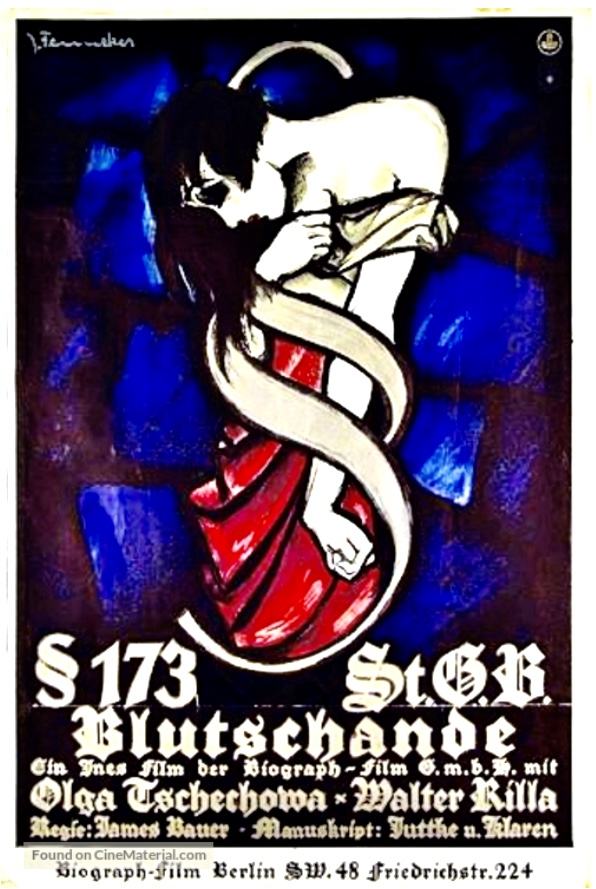
In a desolate, windswept hamlet nestled amidst unforgiving mountains, where ancient traditions cling like frost to barren rock, the film Blutschande unfurls a harrowing tableau of familial devotion twisted into forbidden passion. Elara, a young woman of ethereal beauty and profound introspection, finds her world irrevocably intertwined with that of her elder brother, Kael, a figure of stoic strength and quiet torment. Orphaned by a devastating plague that swept through their isolated community, their bond, initially one of shared grief and mutual solace, gradually transmutes into an illicit, all-consuming love. The narrative meticulously chronicles the burgeoning intensity of their affection, a clandestine affair nurtured in the shadows of their ancestral home and the vast, indifferent wilderness. As their secret deepens, the film masterfully portrays the psychological toll: Elara's burgeoning guilt battling against an insistent, primal desire; Kael's internal struggle between protective fraternity and overwhelming ardor. The arrival of a charismatic, well-meaning outsider, a doctor from the distant city drawn by rumors of the plague's lingering effects, serves as a catalyst, threatening to expose their sacrilegious union. His innocent overtures towards Elara ignite Kael's possessive jealousy, while Elara herself grapples with the fleeting glimpse of an alternative, conventional life. The village, a microcosm of rigid morality and superstitious fear, begins to sense the unnatural currents beneath the siblings' facade. Whispers, once faint as the mountain breeze, grow into a gale of condemnation, culminating in a devastating revelation that shatters their fragile world. The film culminates in a gut-wrenching confrontation between love and societal anathema, culminating in a tragic, inevitable denouement that leaves an indelible mark on the viewer, questioning the very boundaries of human affection and the crushing weight of societal judgment.
Review Excerpt
"
Blutschande: The Unbearable Weight of a Forbidden Embrace
There are films that merely tell a story, and then there are cinematic experiences that claw at the very fabric of human understanding, challenging preconceived notions of morality, love, and societal structure. Blutschande, a title that resonates with the chilling weight of its German translation – 'blood shame' or 'incest' – unequivocally belongs to the latter category. It is not a film to be consumed lightly, nor one..."