DbcultAccessing Vault...
Cult Review
Senior Film Conservator
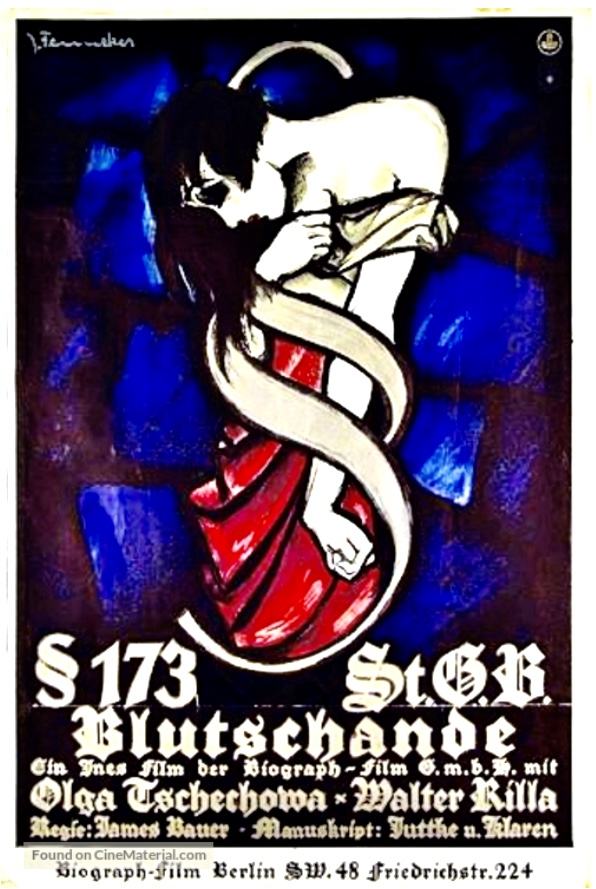
There are films that merely tell a story, and then there are cinematic experiences that claw at the very fabric of human understanding, challenging preconceived notions of morality, love, and societal structure. Blutschande, a title that resonates with the chilling weight of its German translation – 'blood shame' or 'incest' – unequivocally belongs to the latter category. It is not a film to be consumed lightly, nor one easily forgotten. Instead, it embeds itself within the psyche, provoking introspection on the nature of desire, the tyranny of tradition, and the devastating consequences of a love deemed unforgivable. This is a work of art that doesn't shy away from the darkest corners of the human heart, but rather illuminates them with an unflinching, almost poetic, gaze.
From its opening frames, Blutschande establishes a world both breathtakingly beautiful and profoundly bleak. The cinematography, a masterclass in atmospheric storytelling, renders the isolated mountain hamlet as a character unto itself – a silent, watchful entity whose ancient stones and whispering winds seem to absorb the unspoken fears and desires of its inhabitants. One is immediately drawn into the lives of Elara and Kael, two souls bound by the cruel hand of fate and an increasingly complex web of emotion. Their shared grief over the loss of their parents, exacerbated by the relentless isolation of their environment, serves as the crucible in which their forbidden affection is forged. It's a testament to the film's nuanced writing and direction that this transition from sibling affection to something far more profound feels organic, almost inevitable, rather than sensationalized. The gradual erosion of conventional boundaries is depicted with a delicate touch, each stolen glance, each lingering touch, each shared silence building a narrative of intimacy that transcends mere physical attraction.
The film excels in its psychological penetration, offering a raw, unvarnished look into the minds of its protagonists. Elara, portrayed with a haunting vulnerability and a burgeoning inner strength, navigates a treacherous landscape of guilt and longing. Her internal monologue, often conveyed through subtle facial expressions and the eloquent language of the body, reveals a spirit torn between the inherent 'wrongness' of her feelings and the profound, undeniable solace she finds in Kael's embrace. Kael, on the other hand, embodies a more conflicted masculinity. His love for Elara is possessive, protective, and ultimately, destructive. The film suggests that his desire stems not just from carnal impulse, but from a desperate need to preserve the only family he has left, to recreate a semblance of their lost world, however distorted. This psychological depth elevates Blutschande far beyond a mere scandal piece, positioning it instead as a profound character study of individuals trapped by circumstance and their own burgeoning passions.
The arrival of the urban doctor, a well-meaning but ultimately naive outsider, serves as a crucial narrative device, puncturing the insular bubble in which Elara and Kael have existed. His presence introduces a stark contrast between the rigid, unyielding morality of the village and the more expansive, if equally judgmental, world beyond its confines. He represents a potential escape, a glimpse of a conventional future for Elara, yet his very existence inadvertently fuels Kael's escalating jealousy and deepens the chasm of their secret. This tension is masterfully handled, creating a suffocating sense of impending doom that permeates every scene. The quiet, observant villagers, initially peripheral figures, gradually coalesce into a formidable force of collective judgment, their whispers growing louder, their stares more accusatory, until the very air feels thick with condemnation. The film understands that true horror often lies not in supernatural monsters, but in the chilling power of human ostracization and the relentless pressure of societal norms.
The thematic resonance of Blutschande is immense. It delves into the timeless struggle between individual desire and societal prohibition, questioning the arbitrary nature of taboos and the devastating impact of their enforcement. Is love, in its purest, most fervent form, inherently evil if it transgresses established boundaries? Or is the true evil the intolerance and cruelty of a society that refuses to understand or forgive? The film doesn't offer easy answers, instead forcing the audience to grapple with these uncomfortable questions. In this regard, it shares a spiritual kinship with films like Amor fatal, which similarly explores the destructive power of a love deemed unacceptable, or La belle dame sans merci, where an all-consuming, fated passion leads to inevitable tragedy. However, Blutschande adds another layer of complexity by rooting its forbidden romance in the familial, amplifying the sense of transgression and the profound sense of 'blood shame'.
The performances, though understated, are nothing short of phenomenal. The actors imbue Elara and Kael with a palpable sense of internal conflict and desperate love, conveying more through a single glance or a trembling hand than pages of dialogue ever could. Their chemistry is unsettlingly potent, drawing the viewer into their illicit world even as one's moral compass spins wildly. The supporting cast, particularly those portraying the villagers, contribute to the oppressive atmosphere, their collective judgment forming an almost physical barrier around the protagonists. The film's sound design is another highlight, using the stark sounds of nature – the howling wind, the creaking timbers of an old house, the distant bleating of sheep – to amplify the sense of isolation and foreboding. These elements combine to create a truly immersive experience, one that is both beautiful and deeply disturbing.
The narrative arc, while seemingly straightforward, is laced with subtle complexities and emotional landmines. The build-up to the inevitable confrontation is excruciatingly tense, each scene ratcheting up the pressure until the climax explodes with raw, untamed emotion. The film's ending, far from offering any saccharine resolution, delivers a gut-wrenching denouement that leaves an indelible mark. It's a conclusion that forces reflection, highlighting the tragic consequences of a love that defies societal decree and the devastating power of collective condemnation. Much like The Janitor's Harem, which depicts characters trapped by their circumstances and societal expectations, Blutschande illustrates the crushing weight of a community's judgment, pushing its protagonists to the brink of despair and beyond.
Beyond its immediate narrative, Blutschande functions as a powerful meditation on the human condition itself. It explores the primal forces that drive us, the yearning for connection, the fear of solitude, and the desperate lengths to which individuals will go to protect what they cherish, even if it means defying every established norm. The film doesn't condone the actions of its protagonists, nor does it explicitly condemn them. Instead, it presents their story with a chilling objectivity, inviting the audience to engage in a profound moral contemplation. This neutrality, far from being a weakness, is one of the film's greatest strengths, allowing for a more nuanced and impactful exploration of its challenging themes. It's a film that lingers, prompting discussions long after the credits roll, much like other thought-provoking, morally ambiguous narratives such as Pets and Pests, which similarly delves into uncomfortable human relationships and societal fringes.
The aesthetic choices throughout the film are deliberate and impactful. The use of natural light, often filtered through heavy clouds or the gloom of an interior, creates a palpable sense of confinement and melancholy. The sparse, almost minimalist set design of their home reflects their isolated existence, while the expansive, untamed landscapes surrounding them symbolize both the freedom of their secret and the vast, indifferent world that ultimately judges them. The occasional bursts of color, perhaps a vibrant piece of fabric or a fleeting sunset, serve as poignant reminders of the beauty that still exists, even amidst their personal tragedy, only to be quickly subsumed by the overarching palette of muted tones and shadows. This visual storytelling is exceptional, reinforcing the emotional and thematic weight of the narrative without ever resorting to overt exposition.
In an era often dominated by cinematic spectacle and easily digestible narratives, Blutschande stands as a stark, uncompromising work of art. It demands patience, empathy, and a willingness to confront uncomfortable truths. It is a film that challenges, disturbs, and ultimately, profoundly moves its audience. It asserts itself not as a mere story of transgression, but as a deeply human tragedy, a lament for lost innocence, and a biting critique of societal rigidity. Its impact is long-lasting, forcing viewers to reconsider the boundaries of love, the nature of sin, and the often-cruel hand of fate. For those seeking cinema that transcends entertainment and ventures into the realm of profound artistic expression, Blutschande is an indispensable, albeit harrowing, experience. It is a film that will undoubtedly continue to spark debate and inspire critical discourse for years to come, solidifying its place as a powerful, unforgettable entry in the canon of challenging human dramas.
It’s important to acknowledge that the film’s controversial subject matter might not be for everyone. It delves into a taboo that many would prefer to ignore, but it does so with such artistic integrity and emotional honesty that it transcends mere shock value. Instead, it invites a deeper understanding of the human heart’s capacity for both profound connection and profound suffering. The film’s strength lies in its refusal to simplify complex emotions or to offer easy moral judgments. It presents a situation, allows its characters to live within its confines, and then lets the audience wrestle with the implications. This makes it a difficult watch, but an incredibly rewarding one for those willing to engage with its challenging themes. Its exploration of isolation and the pressures of a small community also brings to mind films like The Golden Rosary, where characters' lives are similarly shaped and constrained by the watchful eyes and strictures of their environment. The sense of being under perpetual scrutiny, of every action being weighed against an unyielding moral code, is palpable in both works.
Ultimately, Blutschande is a testament to the power of cinema to explore the most uncomfortable aspects of the human experience. It’s a film that doesn’t just ask questions; it demands them. It demands that we look beyond superficial judgments and consider the underlying forces that drive human behavior, the desperate need for love and connection, and the tragic consequences when those needs clash with deeply ingrained societal prohibitions. This is not a film that provides comfort, but rather one that offers profound insight, leaving an echo of its raw emotional power long after the screen fades to black.

IMDb 7.2
1931
Community
Log in to comment.