United States
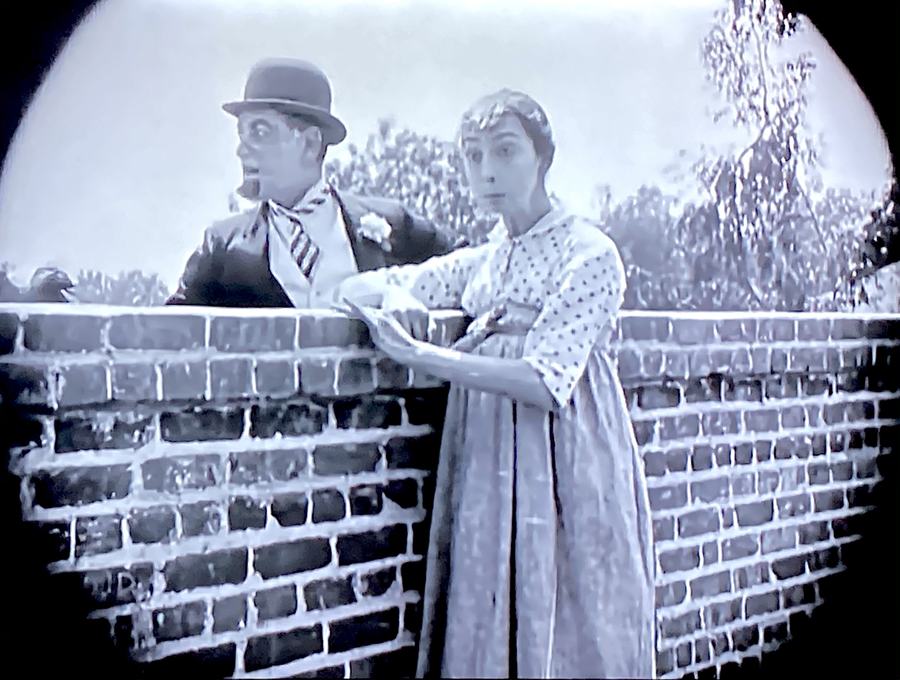
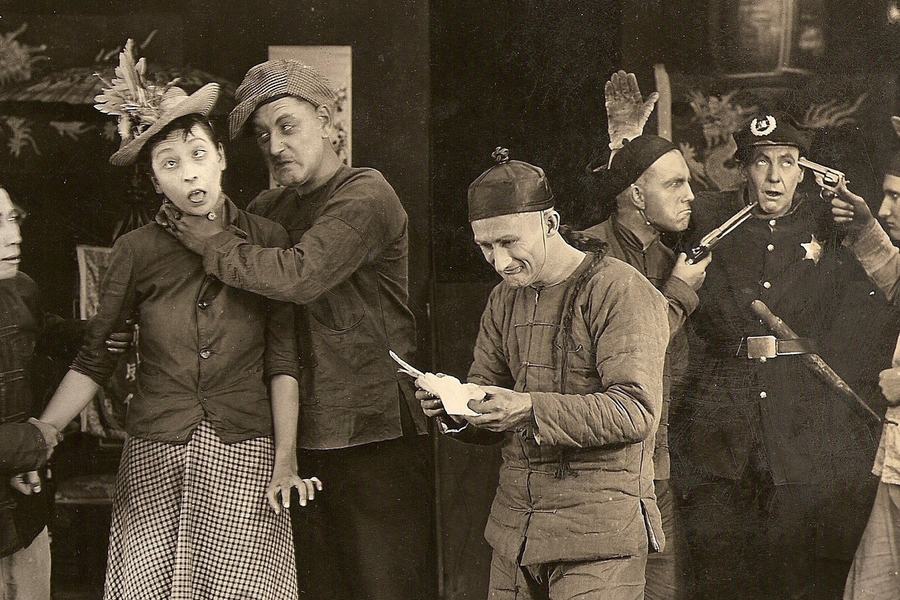
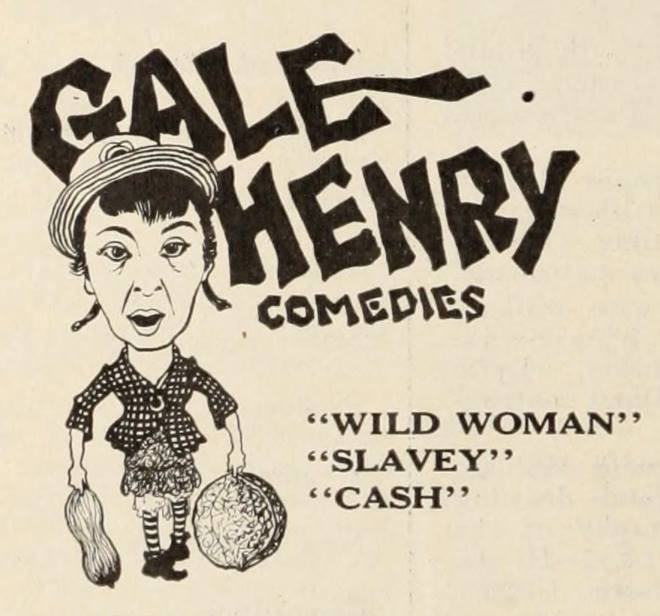
To gaze upon the flickering frames of Cash (1918) is to witness the raw, unadulterated birth of comedic timing as a visceral language. In an era where the medium was still shedding its theatrical skin, this short film emerges not merely as a relic of amusement but as a frantic, almost despera...
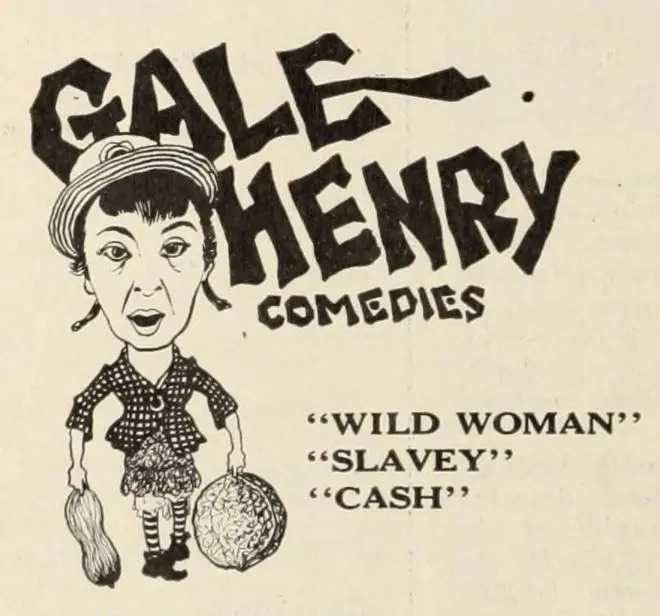
production_art

Comparing the cinematic DNA and archive impact of two defining moments in cult history.
Bruno C. Becker
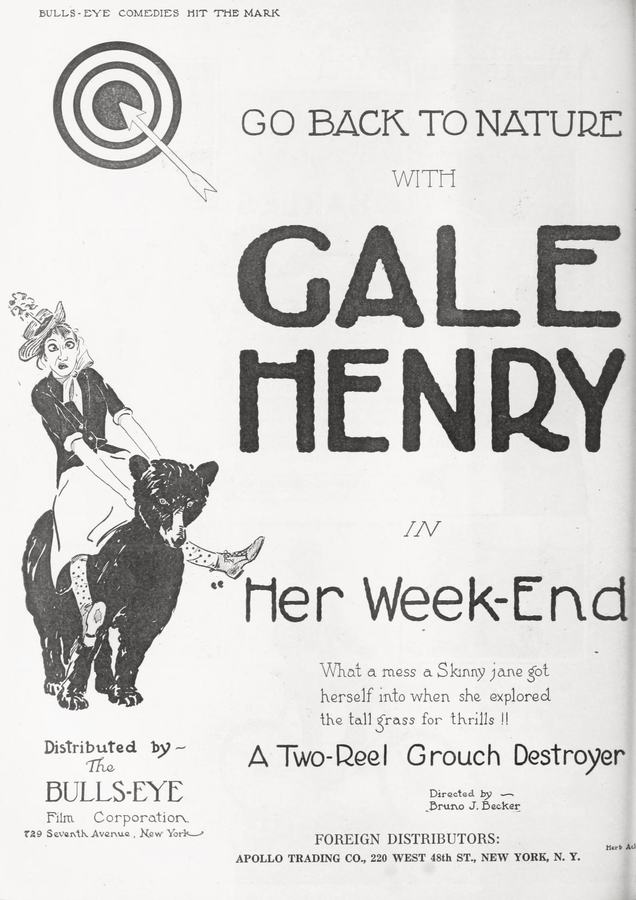
Bruno C. Becker
Community
Log in to comment.
" To gaze upon the flickering frames of Cash (1918) is to witness the raw, unadulterated birth of comedic timing as a visceral language. In an era where the medium was still shedding its theatrical skin, this short film emerges not merely as a relic of amusement but as a frantic, almost desperate exploration of the human condition under the thumb of economic necessity. While contemporary audiences might look toward Over the Top for wartime spectacle, 'Cash' offers a diff..."