DbcultAccessing Vault...
Cult Review
Senior Film Conservator
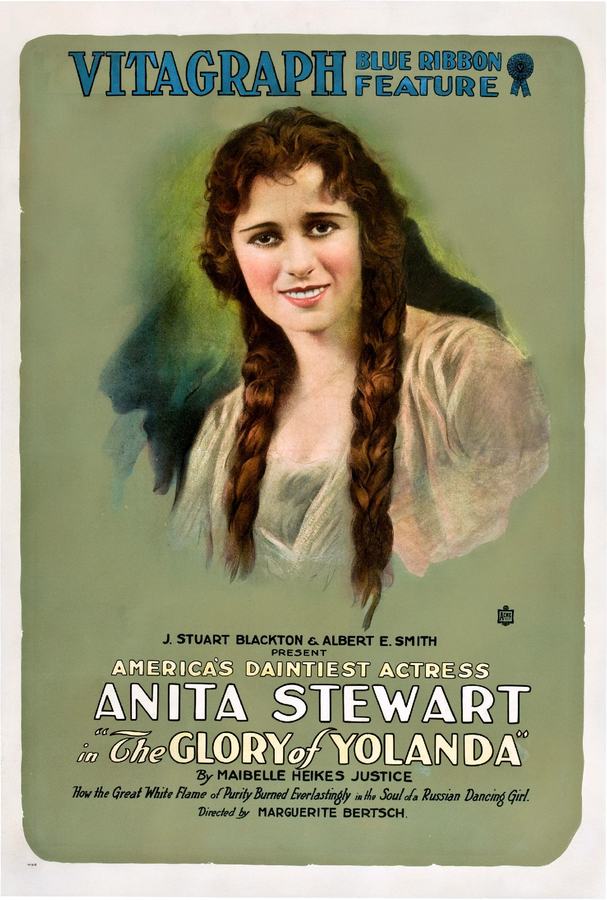
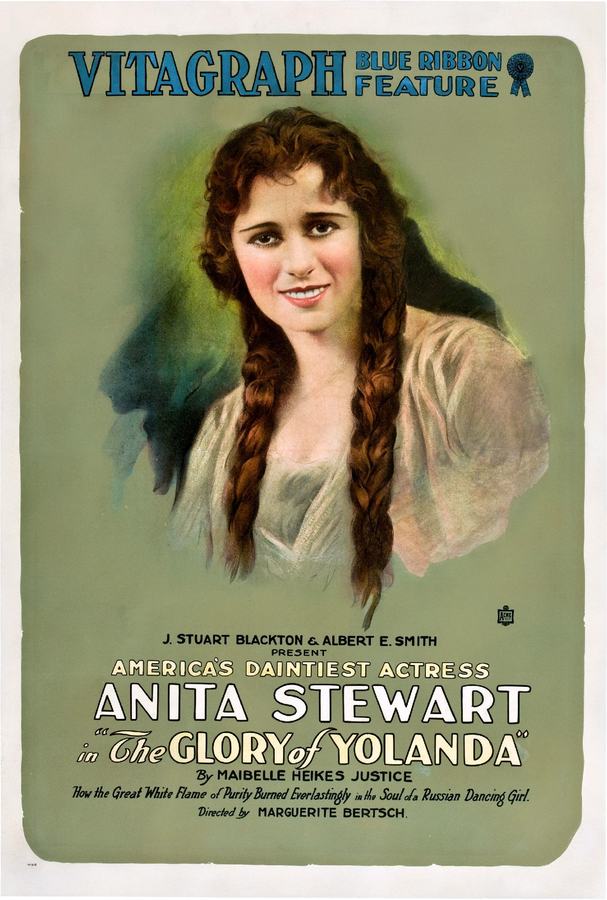
In the pantheon of early silent cinema, few works attempt to bridge the chasm between agrarian simplicity and the rarified air of the high arts as ambitiously as The Glory of Yolanda. Released in 1917, a year synonymous with the tectonic shifts of the Russian Revolution, this Vitagraph production serves as a fascinating, if somewhat idealized, portal into a world that was, even as the cameras rolled, dissolving into history. Anita Stewart, an actress of remarkable expressive range, inhabits the titular role with a vulnerability that anchors the film's more melodramatic tendencies. The narrative, penned by the prolific Maibelle Heikes Justice, eschews the standard rags-to-riches tropes in favor of a more nuanced exploration of identity and the physical cost of aesthetic perfection.
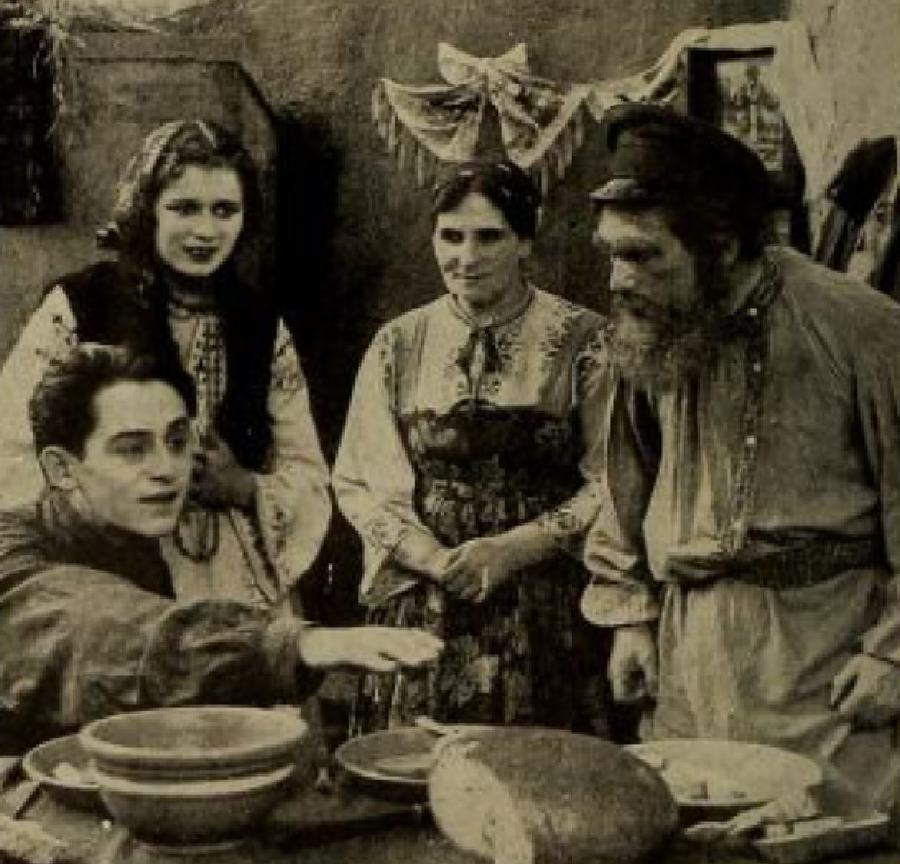
The film opens with a sequence that juxtaposes the harsh, monochromatic reality of Yolanda's village with the impending splendor of her future. Unlike the gritty realism found in contemporaneous works like The Undesirable, The Glory of Yolanda utilizes a softer focus to romanticize the peasant landscape, creating a pastoral dreamscape that makes her eventual departure feel like a loss of innocence rather than a mere escape from poverty. When Yolanda is discovered, the camera lingers on her movements, suggesting a natural fluidity that the rigid structures of the Imperial Ballet will later seek to harness and, perhaps, stifle.
Anita Stewart's performance is the undeniable heartbeat of the production. In an era where pantomime often veered into the grotesque, Stewart maintains a disciplined subtlety. Her Yolanda is not just a dancer; she is a vessel for the aspirations of a class she is leaving behind. This internal conflict is palpable during the training sequences. We see the sweat, the bruised toes, and the psychological warfare waged by Madam Roimonda. The film captures the grueling nature of the ballet with a precision that predates modern dance cinema, showing us that the 'glory' is bought with the currency of physical endurance. This thematic preoccupation with the cost of success echoes the somber undertones found in A Woman's Triumph, though Stewart brings a unique luminosity that prevents the story from descending into pure tragedy.
Visually, the film is a triumph of set design and lighting. The transition from the thatched roofs of the village to the marble halls of St. Petersburg is handled with a sophisticated sense of scale. The cinematography captures the opulence of the Russian court with a reverence that borders on the hagiographic, yet there is an underlying tension—a sense that this world of silk and chandeliers is built on a foundation of precarious shadows. This visual duality is reminiscent of the atmospheric tension in The Mysteries of Souls, where the environment itself seems to breathe with a secret life. The use of deep focus in the ballroom scenes allows the audience to observe the peripheral characters, including the enigmatic Duke (John Ardizoni) and the steadfast Count (Evart Overton), whose lives intersect with Yolanda's in a complex web of duty and desire.
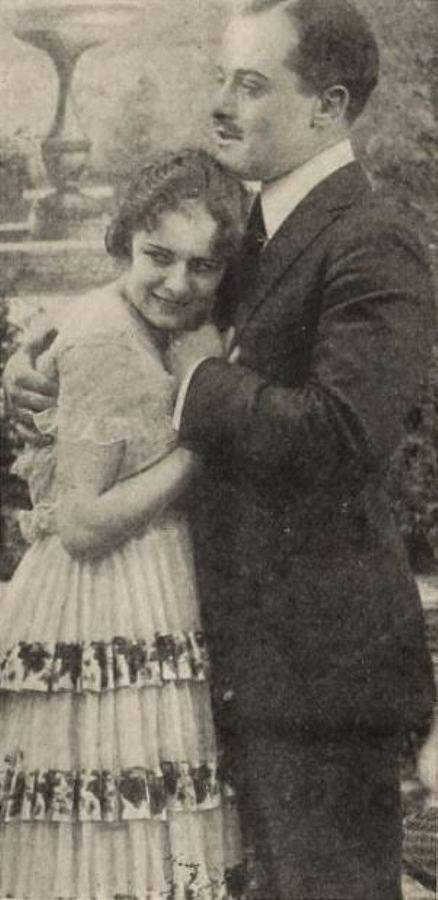
While Stewart is the sun around which the film orbits, the supporting cast provides essential gravity. John Ardizoni portrays the Duke with a mixture of aristocratic entitlement and genuine pathos, avoiding the caricature of the 'villainous noble' often seen in lesser films like The Criminal. Evart Overton, as the romantic interest, offers a grounded presence that contrasts effectively with the heightened theatricality of the ballet world. Bernard Siegel, a veteran of the screen, brings a seasoned gravitas to his role, reminding the audience of the generational weight that Yolanda is up against. The interactions between these characters are choreographed with the same precision as the dance numbers, creating a social ballet that is every bit as demanding as the one performed on stage.
The screenplay by Maibelle Heikes Justice deserves significant praise for its structural integrity. At a time when many films relied on episodic vignettes, The Glory of Yolanda maintains a propulsive momentum. The stakes are consistently raised, moving from the personal (Yolanda's desire to dance) to the political (the implications of her success within the imperial hierarchy). Justice weaves a tapestry of ambition and sacrifice that feels surprisingly modern. The film does not shy away from the darker aspects of the protagonist's journey, exploring the isolation that comes with sudden elevation. This narrative depth elevates the film above the standard melodrama of its day, placing it in conversation with more complex dramas like The Evil Women Do, which also interrogated the social roles forced upon women.
When comparing The Glory of Yolanda to other films of the era, its unique flavor becomes even more apparent. While The Old Homestead focuses on the virtues of rural life with a nostalgic lens, Yolanda's story acknowledges the necessity of leaving the homestead to achieve artistic greatness. Conversely, the film lacks the frantic energy of serials like Who Is Number One? or Neal of the Navy, opting instead for a deliberate, rhythmic pace that mirrors the discipline of the ballet itself. It shares a certain thematic DNA with Pigen fra Palls in its depiction of a young woman navigating a world far removed from her birthright, yet Yolanda's journey is arguably more focused on the transformative power of art than on mere survival.
It is impossible to view The Glory of Yolanda without considering the historical context of its release. As Yolanda dances for the elite, the actual Russian Empire was descending into the chaos depicted in documentaries like The Battle and Fall of Przemysl. This adds a layer of unintentional irony to the film; it is a monument to a culture that was being dismantled in real-time. The 'glory' of the title feels like a swan song. The film captures the swan's final, elegant pose before the curtain falls on an entire era. This sense of impending doom is perhaps not explicit in the script, but it permeates the atmosphere, much like the sense of misplaced identity found in The Crown Prince's Double.
The production values of Vitagraph are on full display here. The use of tinting—sepia for the village, cool blues for the St. Petersburg nights, and warm ambers for the stage—enhances the emotional resonance of the scenes. The editing, while following the conventions of the time, shows a sophisticated understanding of cross-cutting to build tension during the climactic performance. Unlike the more static presentation in The Heir to the Hoorah, the camera in The Glory of Yolanda feels dynamic, attempting to capture the movement of the dancers from angles that suggest the viewer is part of the audience. This immersive quality is a testament to the director's vision and the technical proficiency of the crew.
As we reflect on The Glory of Yolanda, it stands as a testament to the power of the silent screen to convey complex emotional landscapes through movement and light. Yolanda's journey is a microcosm of the human desire for transcendence. She is a figure of resilience, a woman who takes the raw materials of her peasant upbringing and refines them into something sublime. The film avoids the easy sentimentality of The Caprices of Kitty, choosing instead to honor the gravity of Yolanda's ambition. It is a film about the beauty of the struggle, the weight of the crown, and the fleeting nature of fame. In the end, the glory is not in the applause, but in the transformation itself.
Whether one views it as a historical artifact, a showcase for Anita Stewart's talent, or a poignant drama about the intersection of class and art, The Glory of Yolanda remains a compelling watch. It lacks the cynicism of modern cinema, offering instead a sincere belief in the redemptive power of beauty. It is a reminder of a time when the cinema was still discovering its voice, and in doing so, it found a language that was universal. Much like the characters in The Spell of the Yukon, Yolanda is a pioneer in her own right, charting a course through an uncharted emotional territory. The film may be over a century old, but the questions it asks about the price of our dreams remain as pertinent as ever. It is a silent masterpiece that continues to speak volumes to those willing to listen to its visual music.
The final sequences, which depict Yolanda's ultimate triumph, are handled with a restraint that is rare for the period. There is no over-the-top celebration; instead, there is a quiet realization of what has been gained and what has been left behind. This maturity of tone is what ultimately distinguishes the film from its contemporaries like Manden med de ni Fingre II. Yolanda's glory is a solitary one, a beacon of excellence in a world that is often indifferent to the individual. As the screen fades to black, the image of Yolanda mid-pirouette lingers—a symbol of grace under pressure and the enduring power of the human spirit to rise above its circumstances.
IMDb —
1913
Community
Log in to comment.